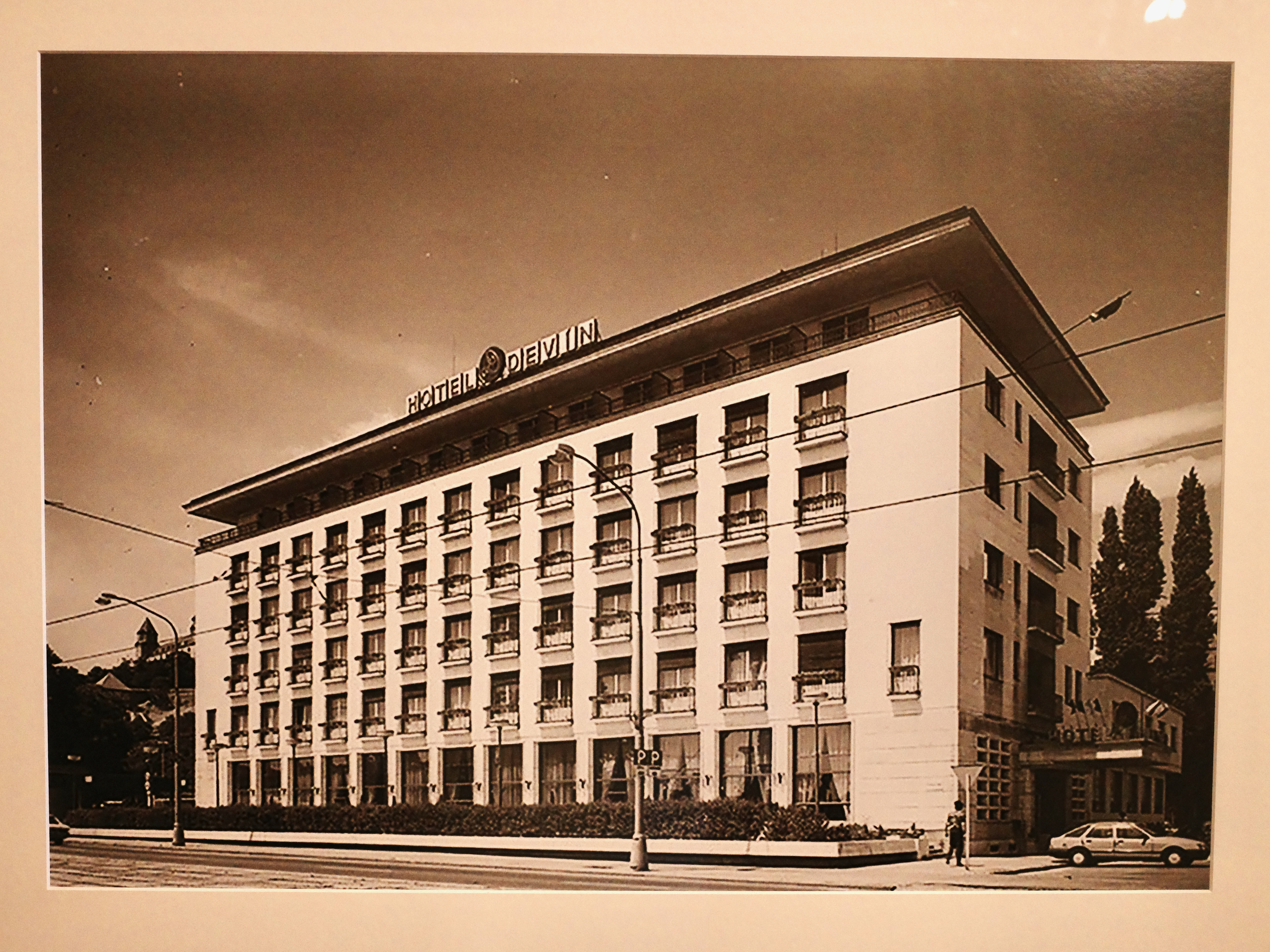
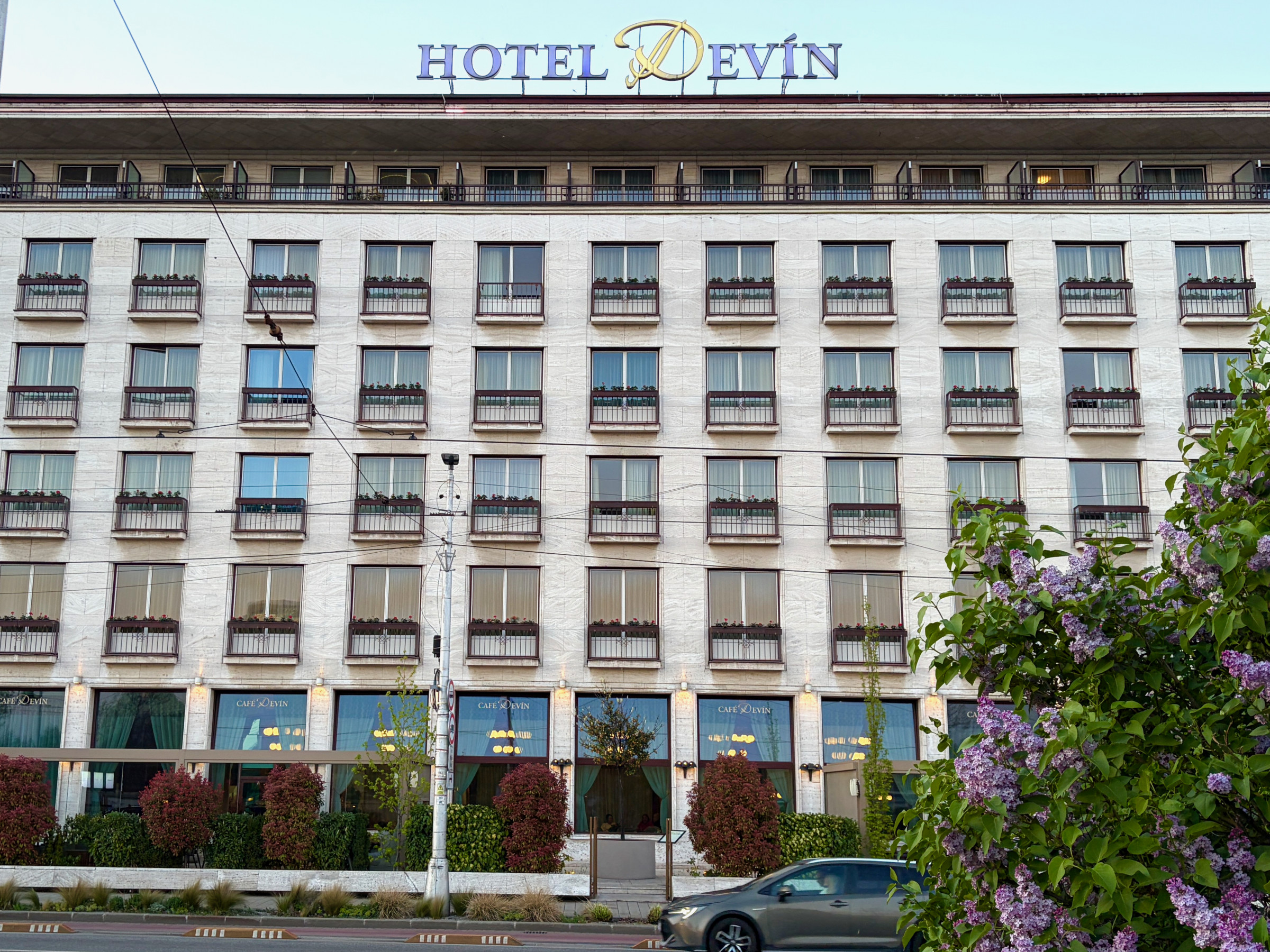
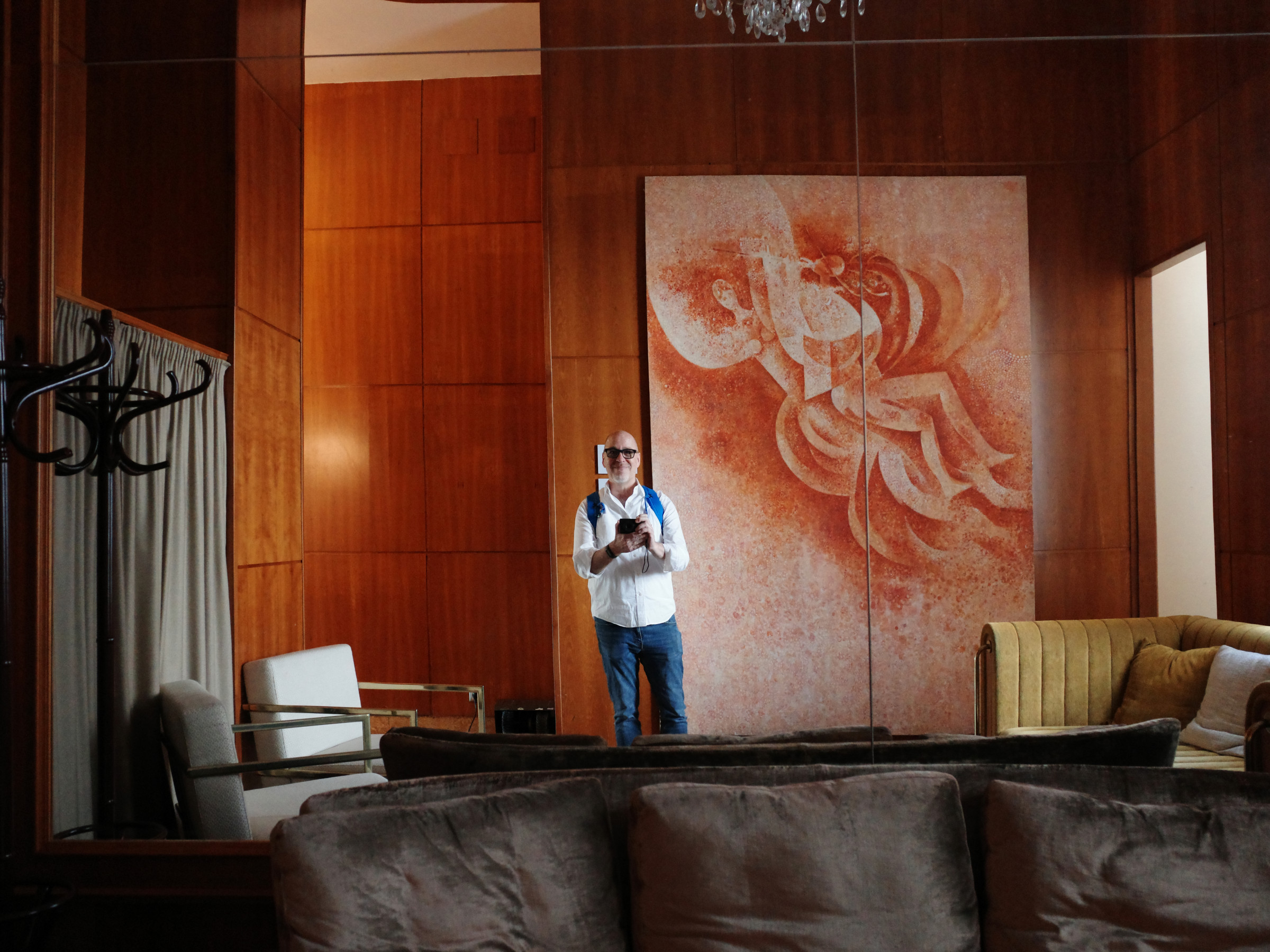
On the afternoon of November 9, 1989, I checked into Bratislava’s Hotel Devín without the faintest idea that I'd arrived in the middle of a secret police operation where I was to be the prey. At the time, I was a journalist based in Vienna on a week-long reporting assignment in then-communist Czechoslovakia. Earlier that day, I had driven down from Prague with my translator and fixer, a Czechoslovak national named Arnold Keilberth. His job was to arrange interviews with Slovak officials that I could use in my reporting. Arnold seemed exactly what he appeared to be: an experienced local contact with useful connections to influential sources. Only years later, after the opening of the Czechoslovak state security archives, did I learn that Arnold was actually a highly placed secret-police (StB) informant whose real assignment had been not so much to help me report on Slovakia but rather to compile reports about me for his bosses.
According to documents I would only discover decades later, my stay at the Devín was the culmination of “Operation INTER,” a covert Czechoslovak espionage scheme focused on me as a potential recruitment target. “INTER” was the code-name that the StB had given me. Their aim, in the blunt language of the files, was to assess whether I might be recruited as an agent, influenced, or drawn into a relationship that could prove useful to the Czechoslovak state. The centerpiece of the operation was a female Slovak agent, identified in the papers with the code-name “INA,” who was to be introduced as a potential romantic partner. It was a classic honey-trap. What now sounds like the plot of a Cold War thriller was, for a brief moment, an actual bureaucratic plan attached to a real hotel booking. (Earlier on this blog, I recounted the full story of 'Operation INTER' in five parts.)
In the end, nothing came of it. For reasons I still don’t know, no mysterious woman appeared in the bar or approached my dinner table, as the plan called for. No seductive stranger materialized by the elevator or knocked on my door after midnight. The operation seems to have been called off at the last moment. Perhaps the logistics fell apart. Or perhaps history intervened. It was, after all, the same night the Berlin Wall fell.
Although I’ve had plenty of time over the past few years to read and process the StB documents, the existence of “Operation INTER” and my putative role in it still shocks me. Somewhere in a Czechoslovak government office officials had actually discussed how to win my loyalty or test my usefulness. Somewhere the paperwork had been typed up, signatures added, and plans approved. At some point, “INA” had been brought on board and my hotel room fitted out with the necessary audio and video recording equipment in case that knock on the door eventually came. A younger version of me had traveled from Prague to Bratislava thinking he was simply on a work trip. For the men watching from the shadows, something much larger was underway. (I've attached two photos here below from the original StB files that detail the operation.)
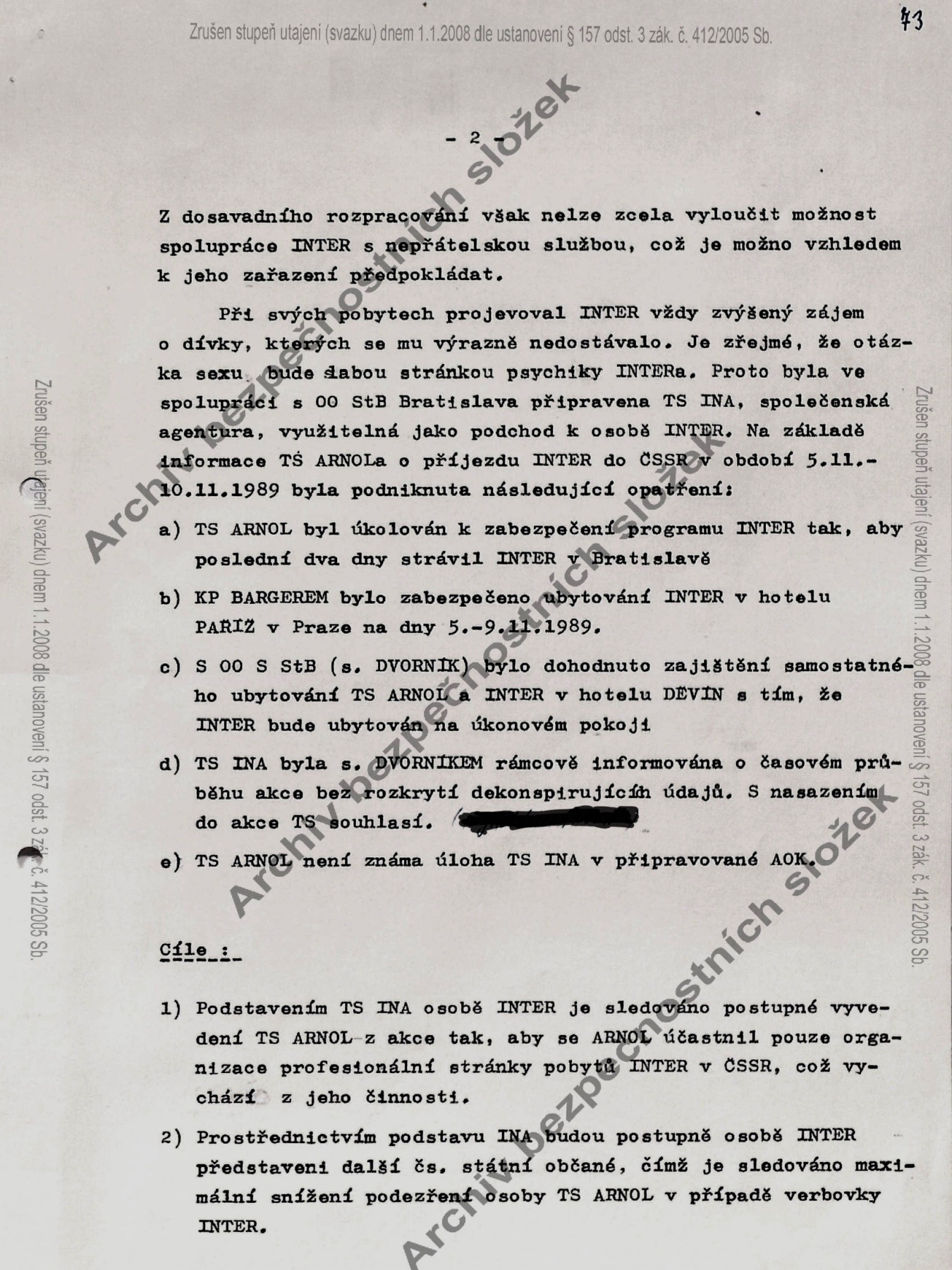
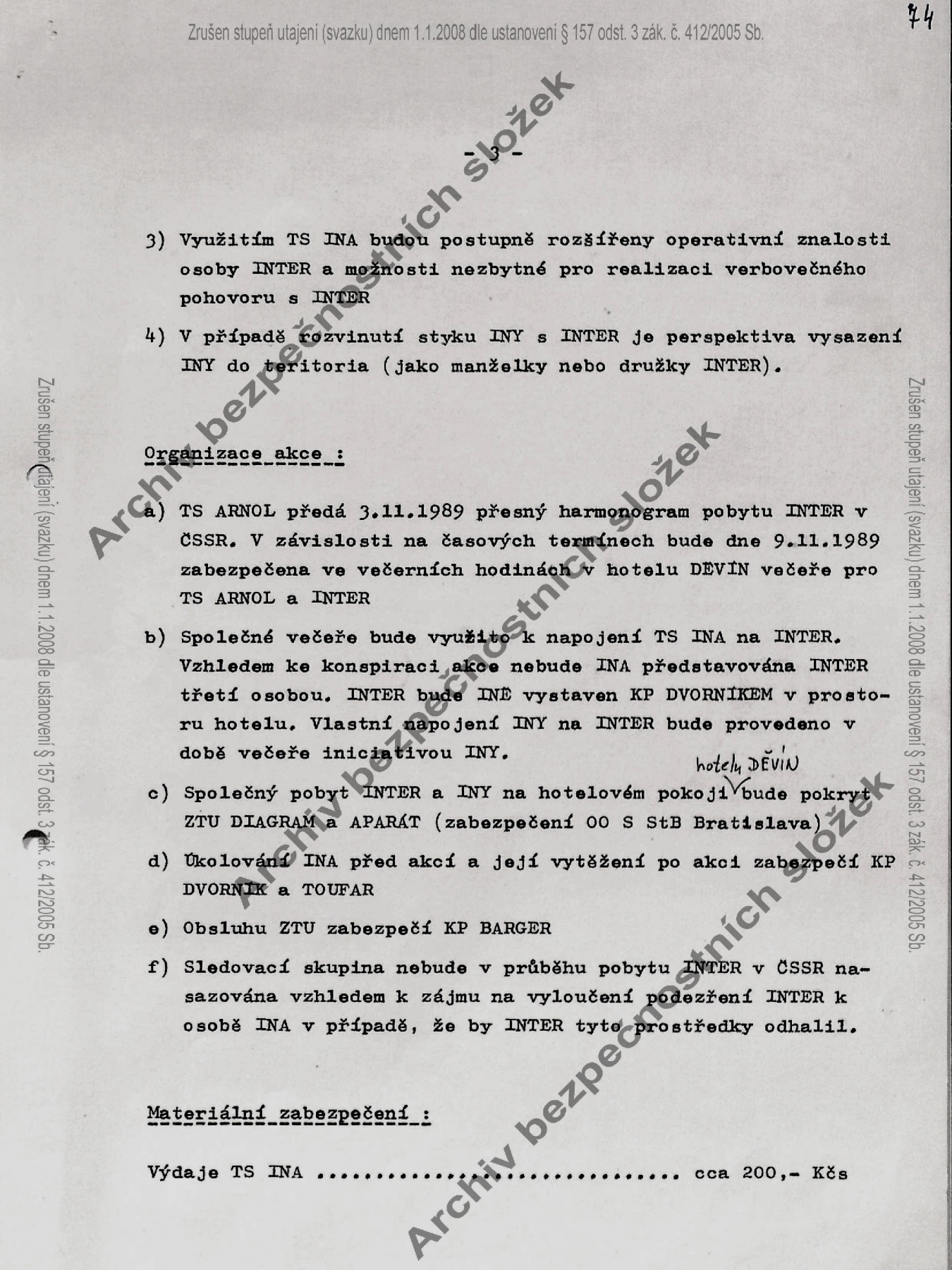
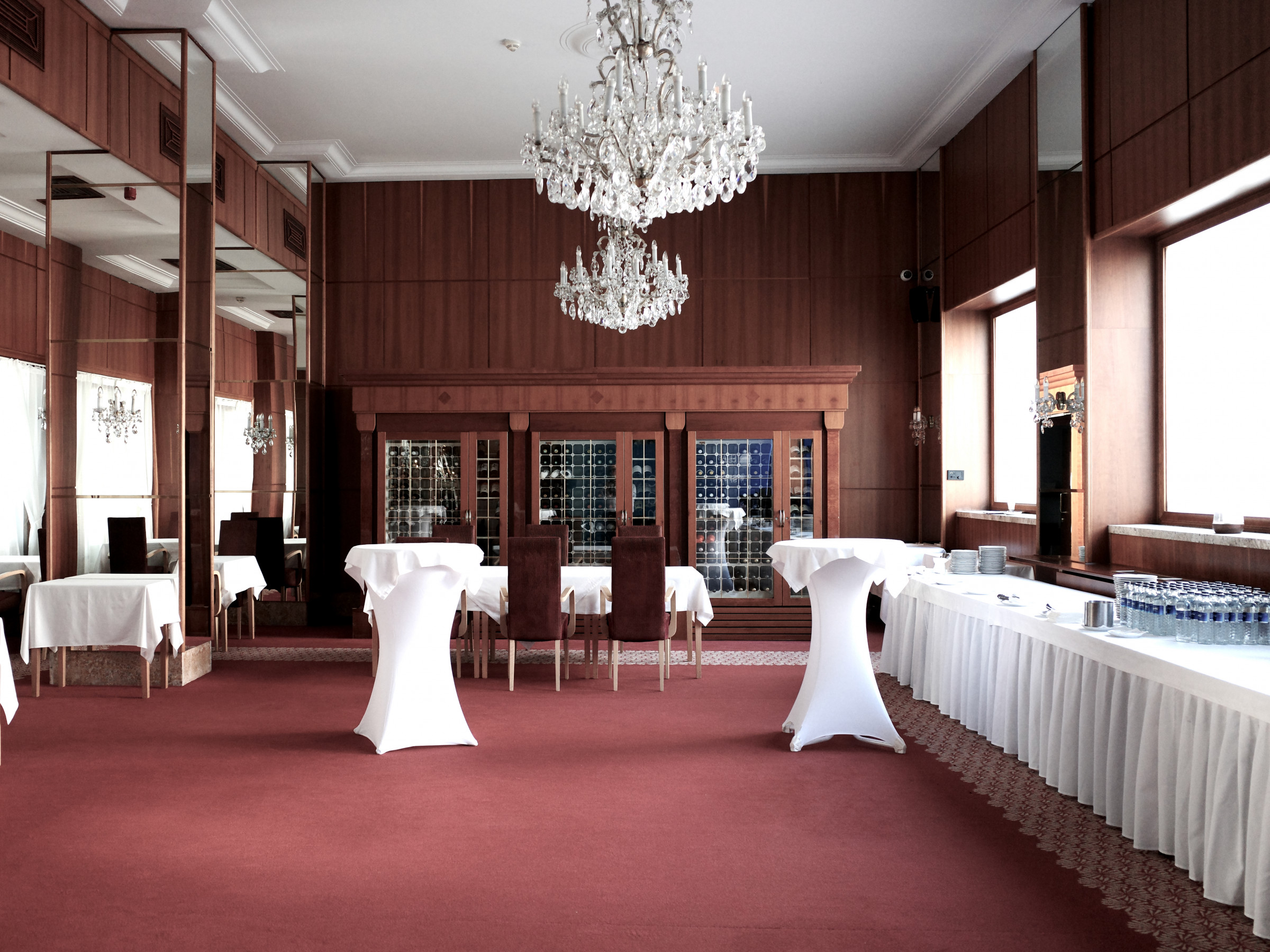
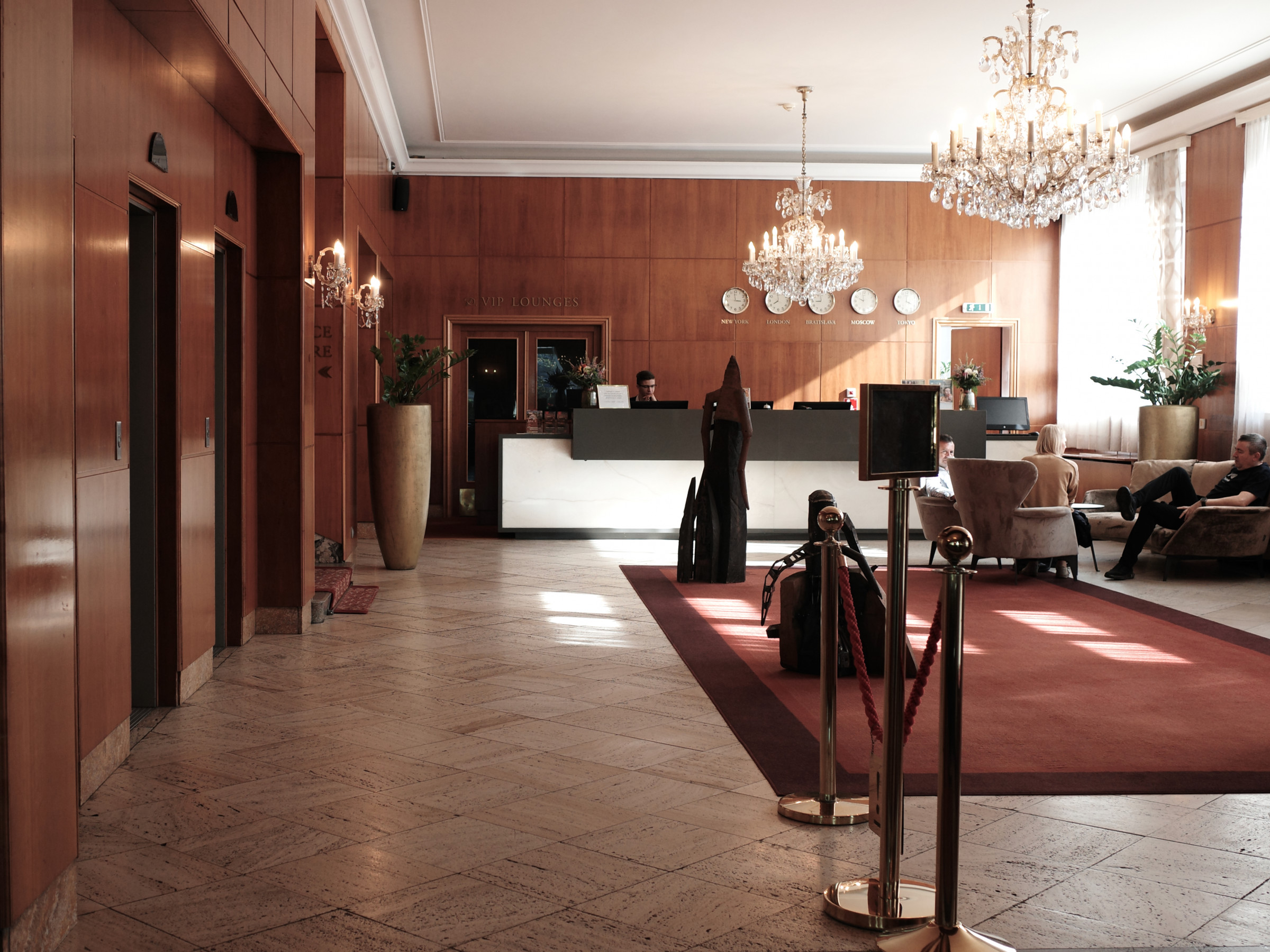
In May 2026, I checked into the Devín again for the first time since that earlier visit nearly forty years before. It was a peculiar feeling to stand in the same lobby in 2026 and know that “Operation INTER” had once been planned to unfold in that very building.
So much, of course, has changed in the intervening decades. In 1989, Bratislava was part of communist Czechoslovakia. The city felt gray, grimy, and industrial. My olfactory memories are even stronger than the visual ones. I can easily recall the acrid smell of car exhaust, the pungent odor of the Sparta cigarettes Arnold chain-smoked, and the distinctive scent of linoleum cleaner that seemed to linger in the corridors of every public building.
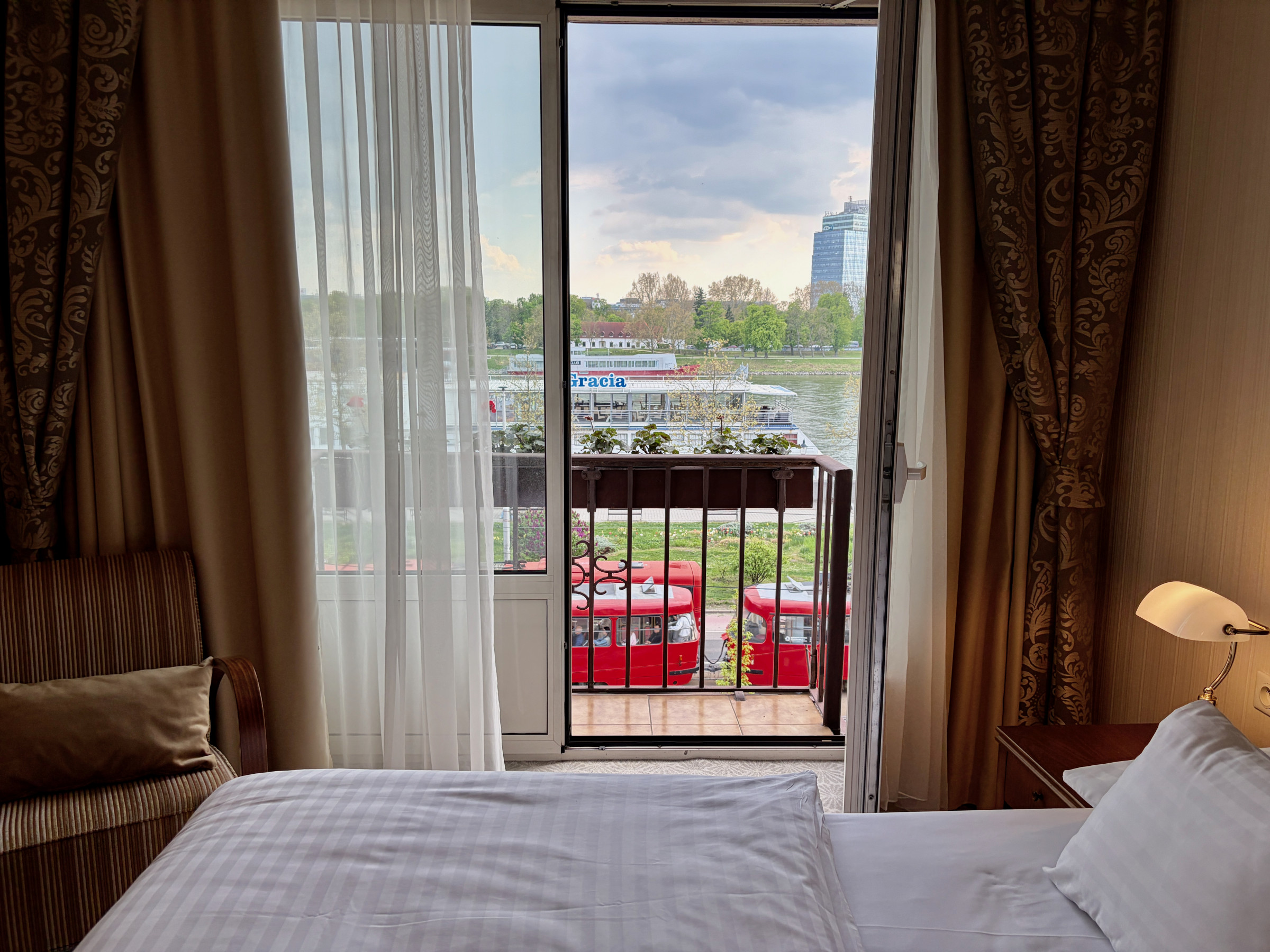
Today, Bratislava is the capital of a country that did not even exist in 1989. It's incomparably cleaner and greener than it was then. The Old Town is filled with weekend visitors, the rattle of their roller-boards over the cobblestones providing a constant soundtrack to city life. The Danube riverfront feels lively, families cycle along bike lanes, and people queue at gelato stands at every hour of the day. In 1989, the river felt like an edge of things, flowing through a divided Europe of guarded frontiers and controlled movement. Today, it’s a connector, linking capitals and countries that share a common cultural space. The transformation is so complete it can be difficult to explain what the old days felt like to those who never knew them.
The hotel, however, remains uncannily itself. The lobby still carries its warm wood paneling and faintly ceremonial air. Crystal chandeliers still hang above the reception desk. Afternoon light still washes across the stone floors. Everything feels cleaner and brighter now, of course, and the coffee is better. The reception desk hums with the easy professionalism of a successful luxury hotel. Yet the building’s bones, including the laughably tiny elevators just off the front desk, remain unmistakably familiar.
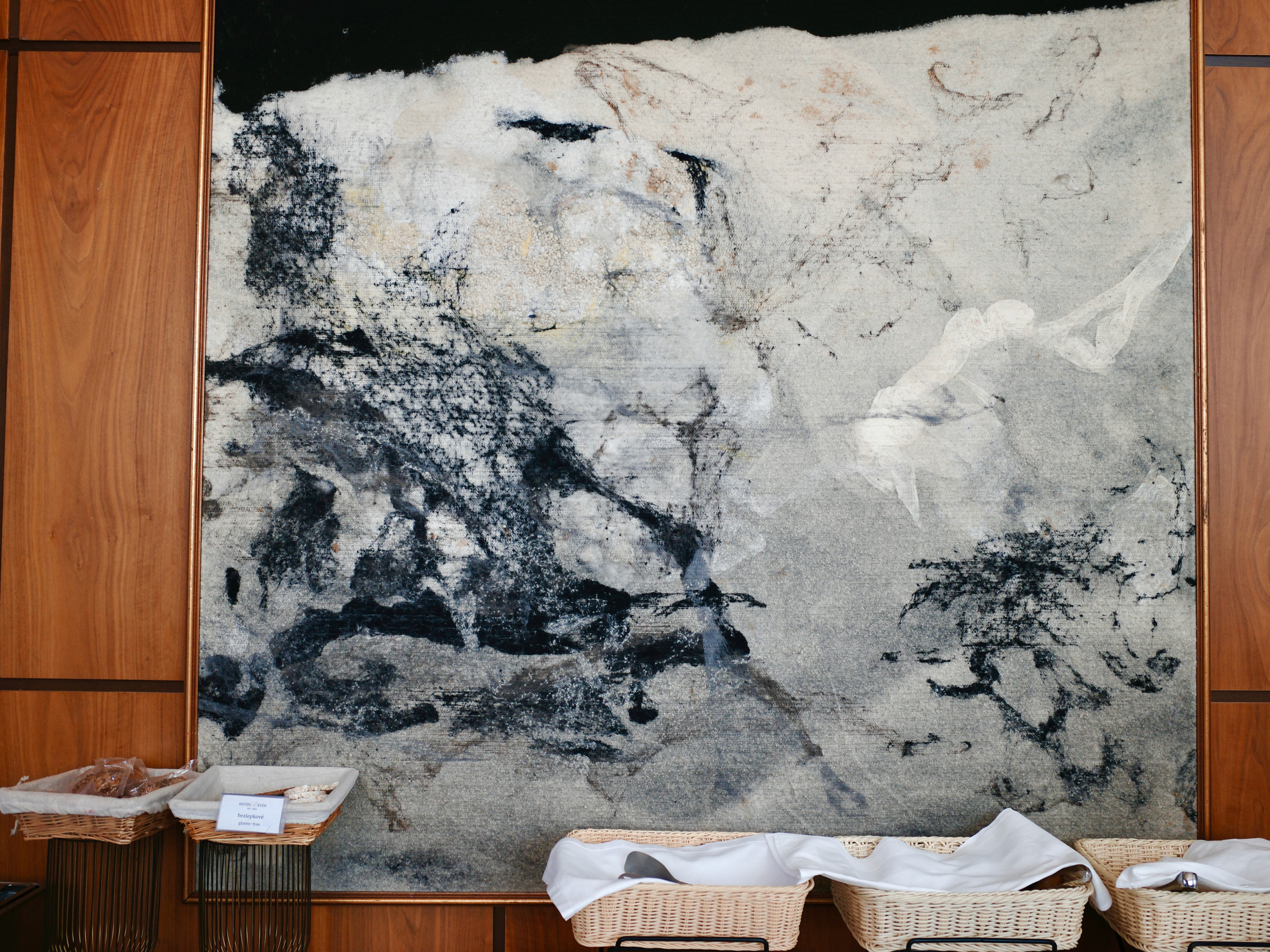
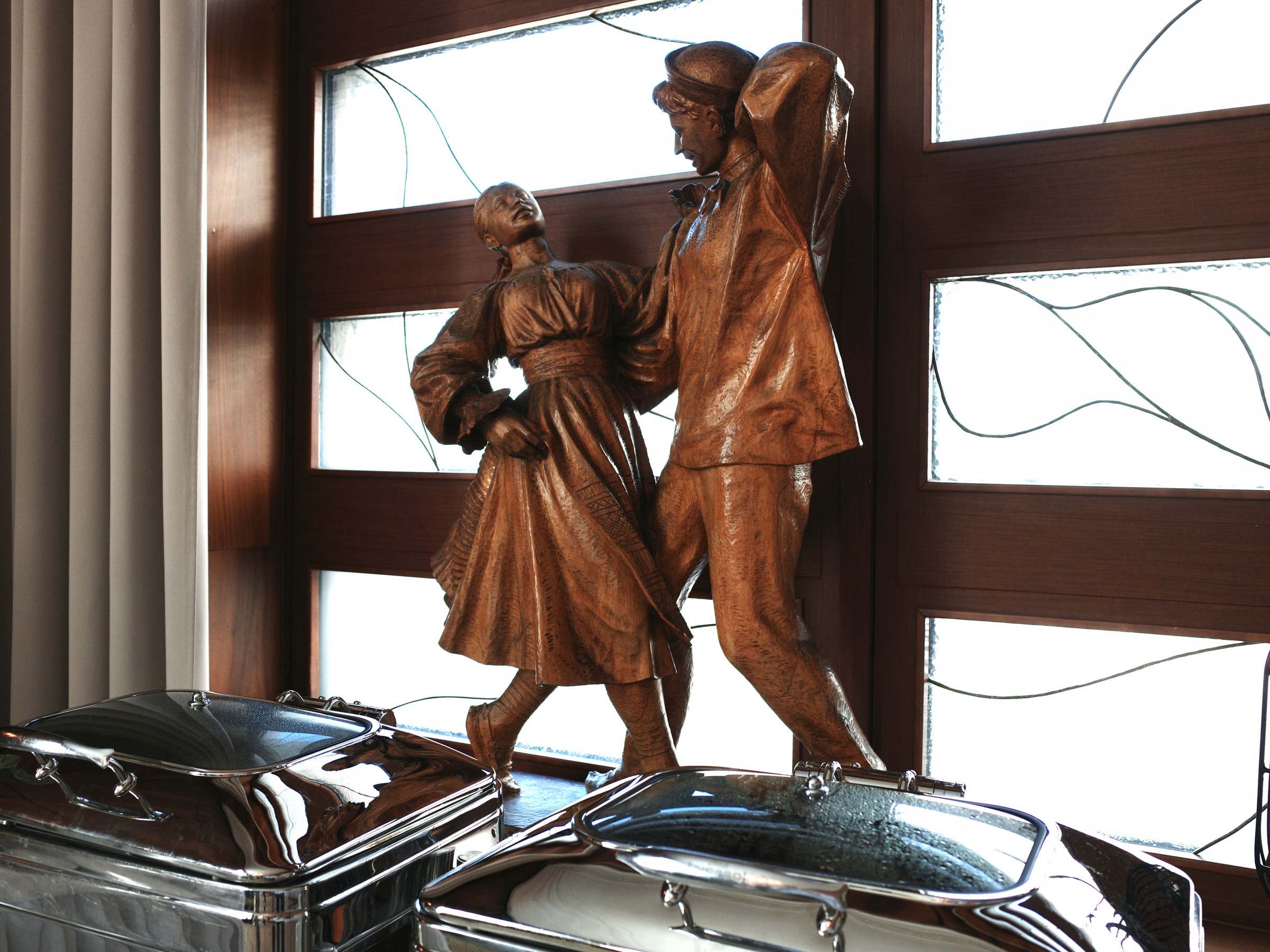
Even much of the artwork appears unchanged. Folk motifs, a favorite with communist-era designers, decorate the walls. Sculpted dancers turn in frozen motion near the breakfast room. Many old communist hotels in the region have renovated themselves into bland international anonymity. The Devín appears to have modernized without erasing its identity.
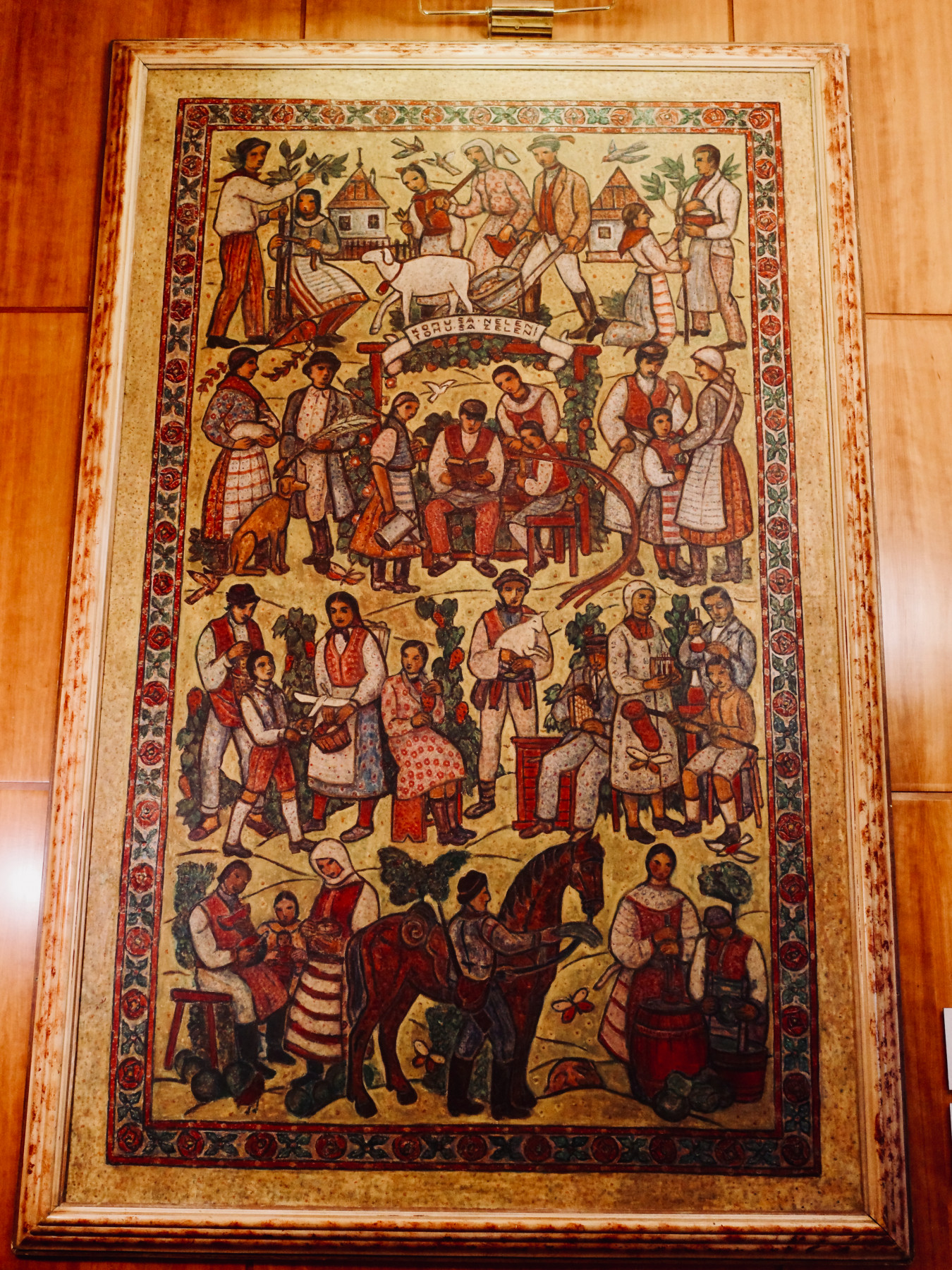
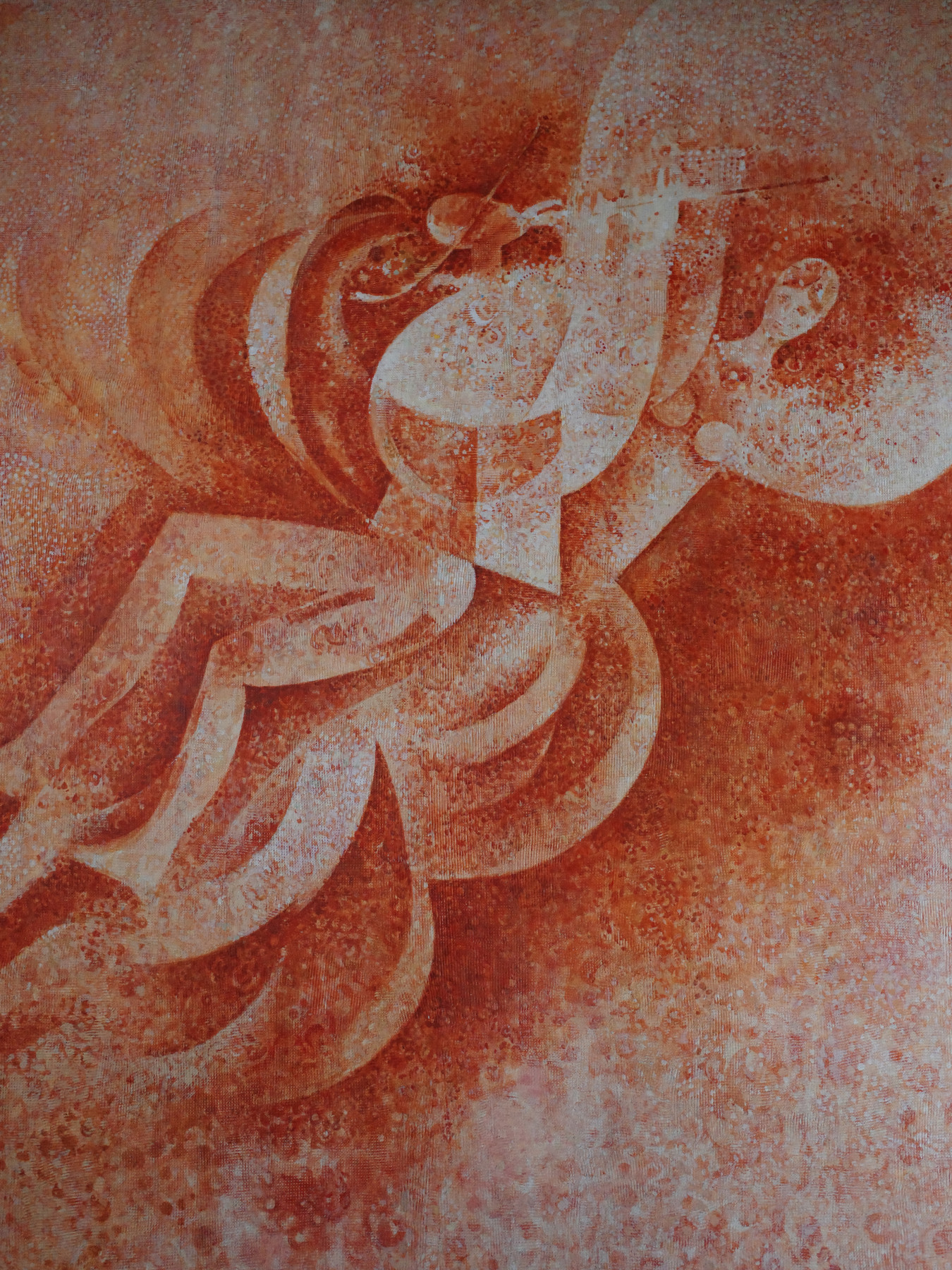
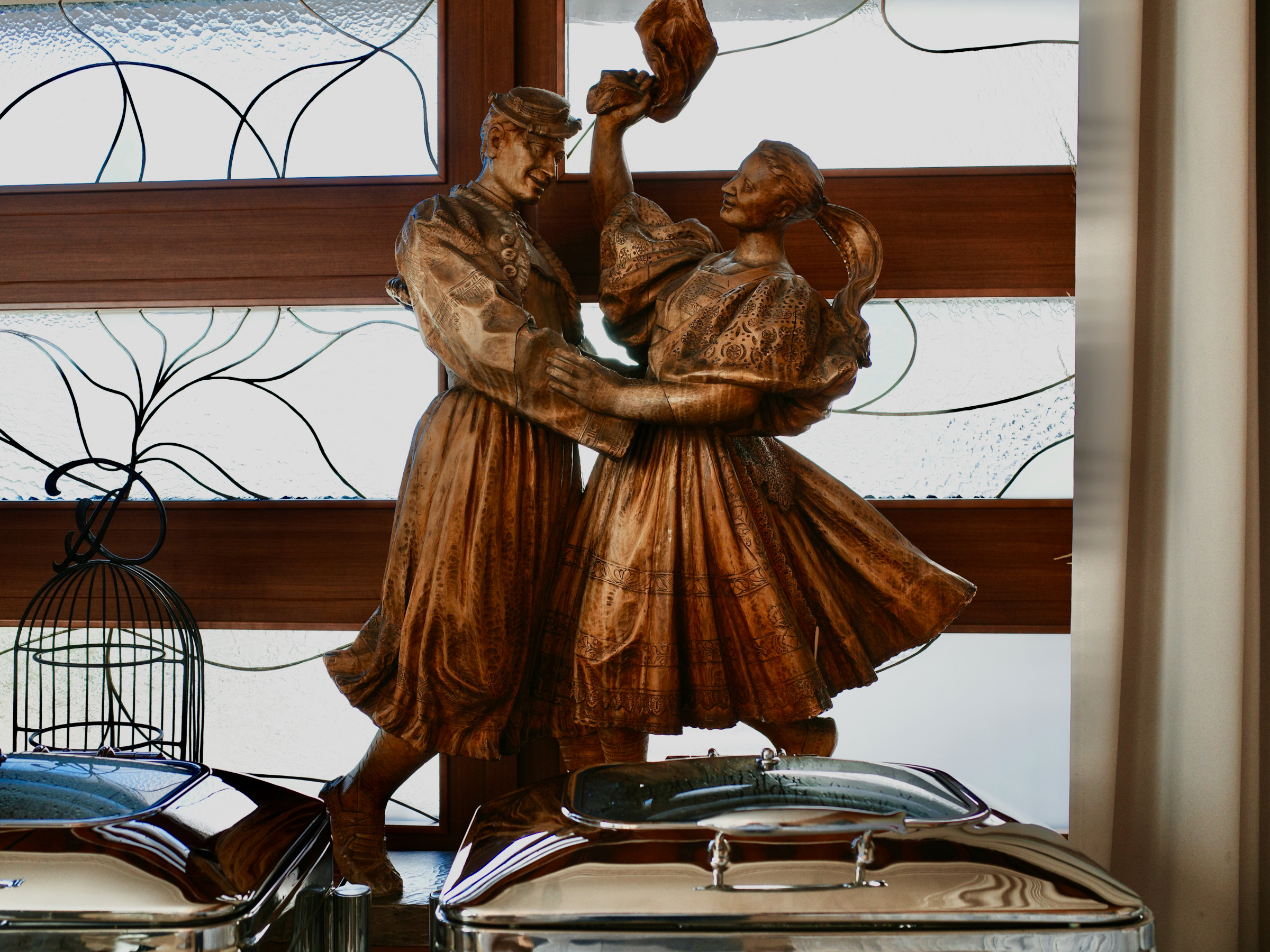
That continuity had personal meaning for me. As I checked in, the receptionist, a young man in his twenties, politely asked whether this was my first stay at the Devín. I briefly considered my answer, then admitted it was not. “I was here a long time ago,” I said.
I gave him the short version of the story: the StB surveillance plan, the code names, the attempted honey-trap. Even as I spoke, it sounded completely unreal. I could scarcely believe myself the words coming out of my mouth.
The desk clerk was clearly not expecting anything like this. His eyes widened. “Wow, just like the KGB,” he said. He asked a few follow-up questions, though I couldn’t tell whether he was genuinely curious or simply being courteous to a guest.
I then asked whether the hotel kept records of who had stayed in the 1980s or 1990s. He checked his computer, then shook his head. “It looks like those records no longer exist, or maybe they’re still on paper somewhere,” he said.
There are still many details of my 1989 stay that I still don’t know, even to this day. These include my actual room number. It would also be interesting to learn whether the hotel had any record of an “INA,” or a similarly named Slovak woman, staying there that same night. To his credit, the clerk gave me an email address for the hotel’s marketing department and encouraged me to follow up. I will, and I’ll report back if anything turns up.
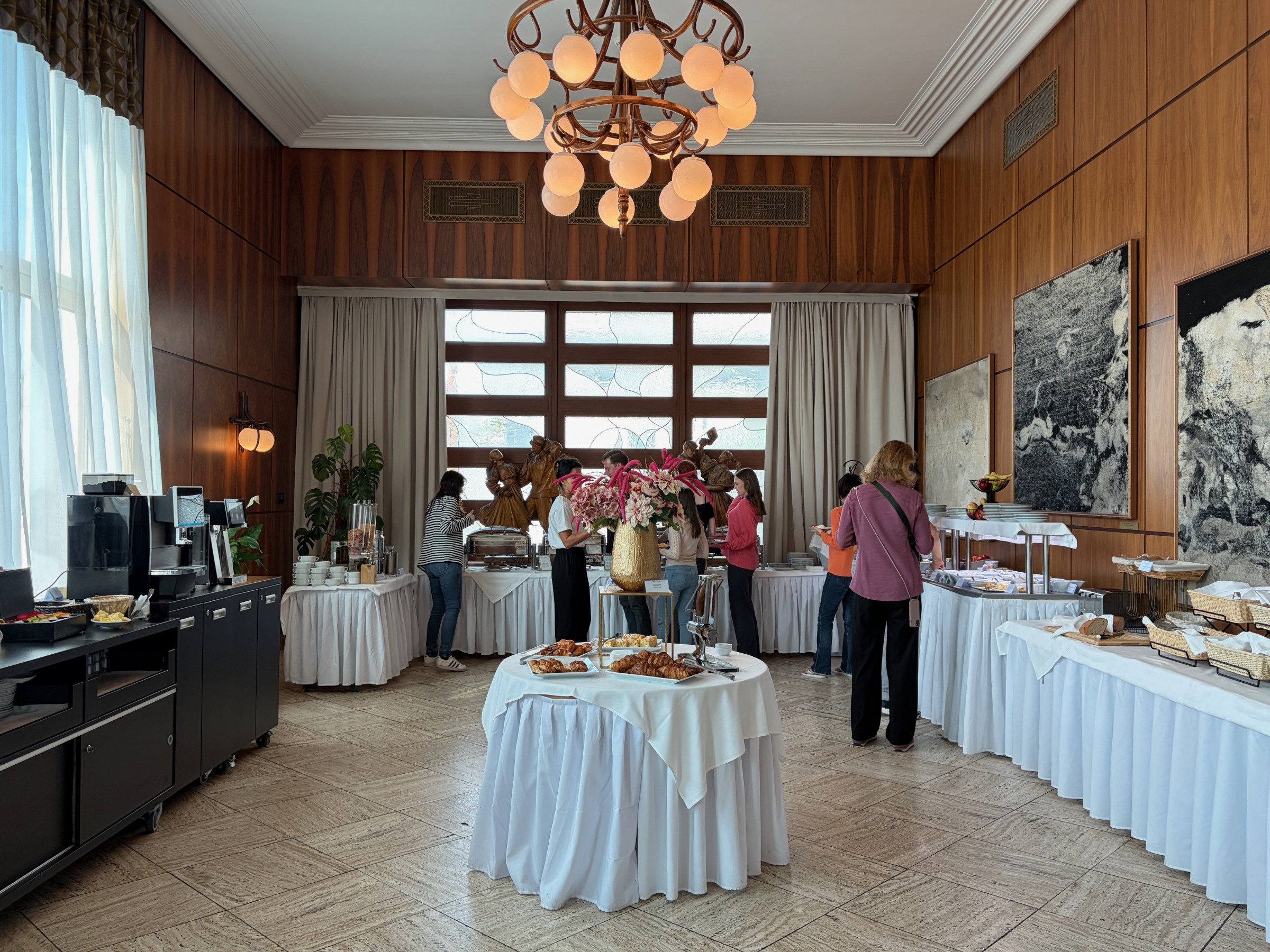
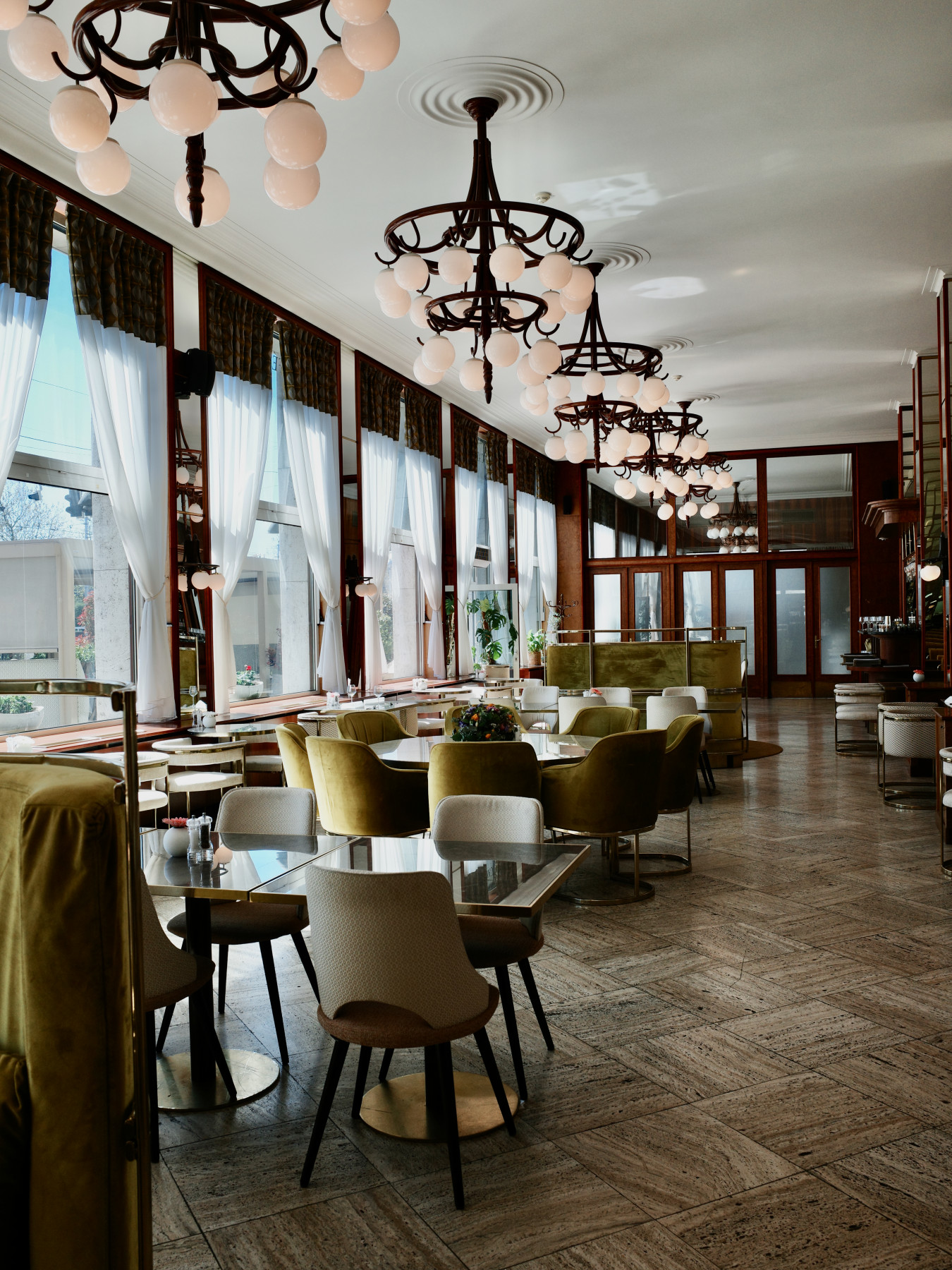
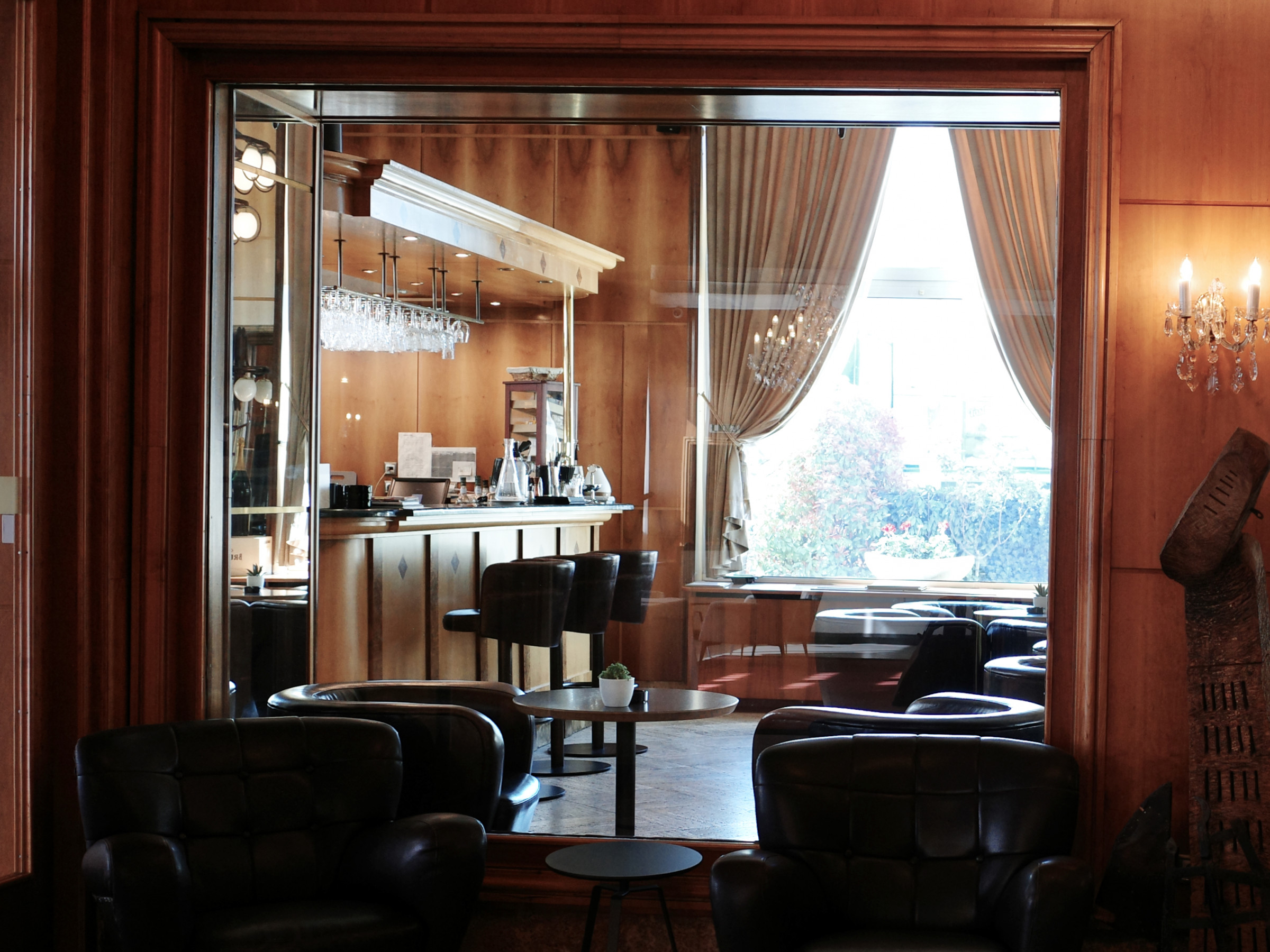
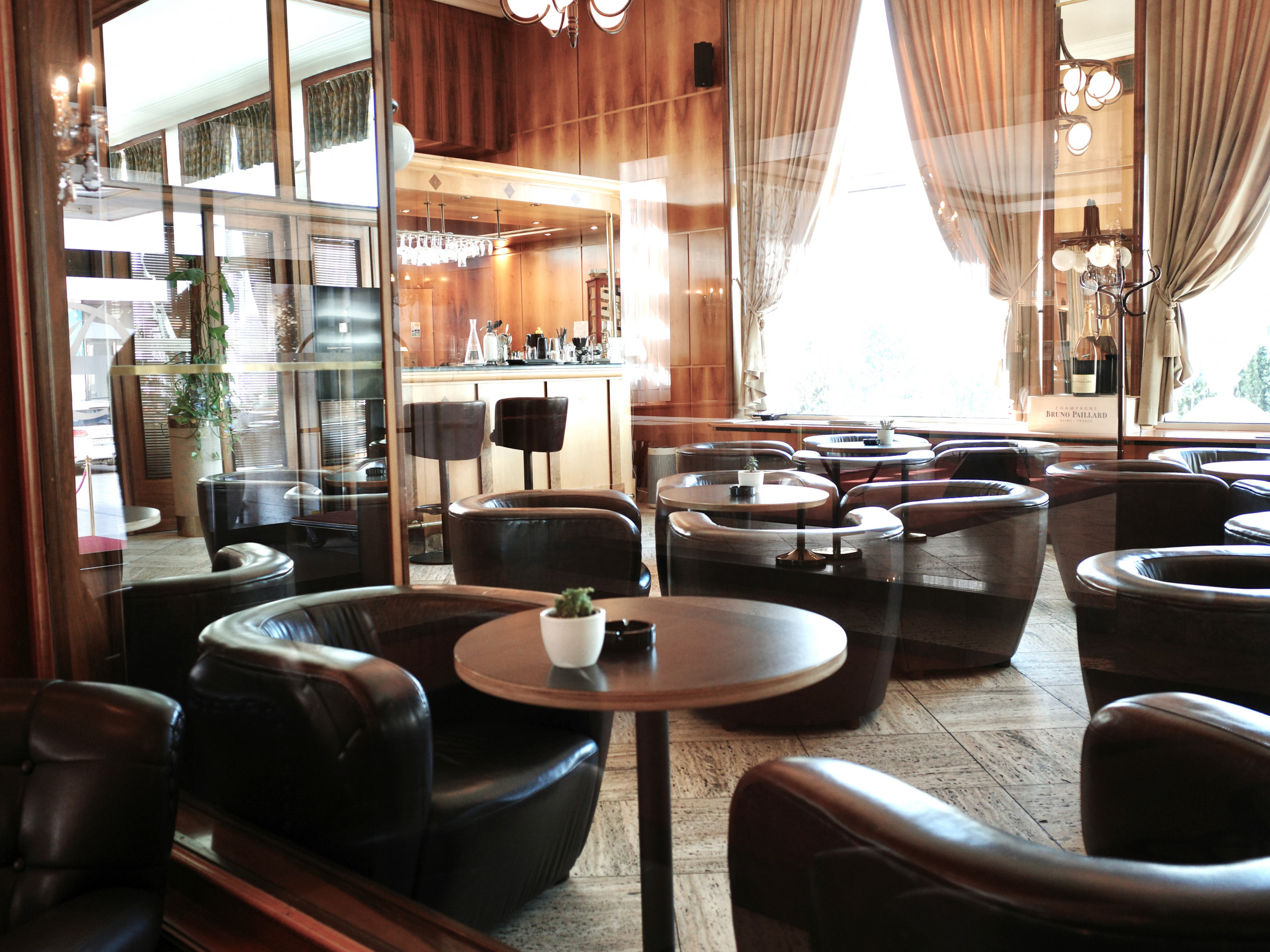
I’m not sure what I expected from this 2026 trip, but I admit it was exhilarating to view the same physical space from two different moments in time. The sensation wasn't one so much of being haunted by the past as feeling amused or curious. Time had reduced the drama and sharpened the sense of absurdity.
Somewhere in 1989, officials considered sending a woman to seduce me in this very hotel as part of their epic Cold War battle, while the man who drove me there was covertly in on the deal. In 2026, that same space was occupied by business travelers checking their phones, guests asking about using the spa, and couples waiting for their Ubers to arrive.
I thoroughly enjoyed my stay. The Devín, even by modern standards, remains an excellent hotel. And I was glad to find it still standing in recognizable form. Not because I miss the world of 1989 (I definitely do not), but because the hotel’s continuity has a value to me all of its own. If anything, it serves as something solid and tangible amid hazy memories and a faded stack of files.
Did you like the story and want to add your own experiences? Or maybe help me to correct something I didn’t get right? Write me at bakermark@fastmail.fm.