Newspapers
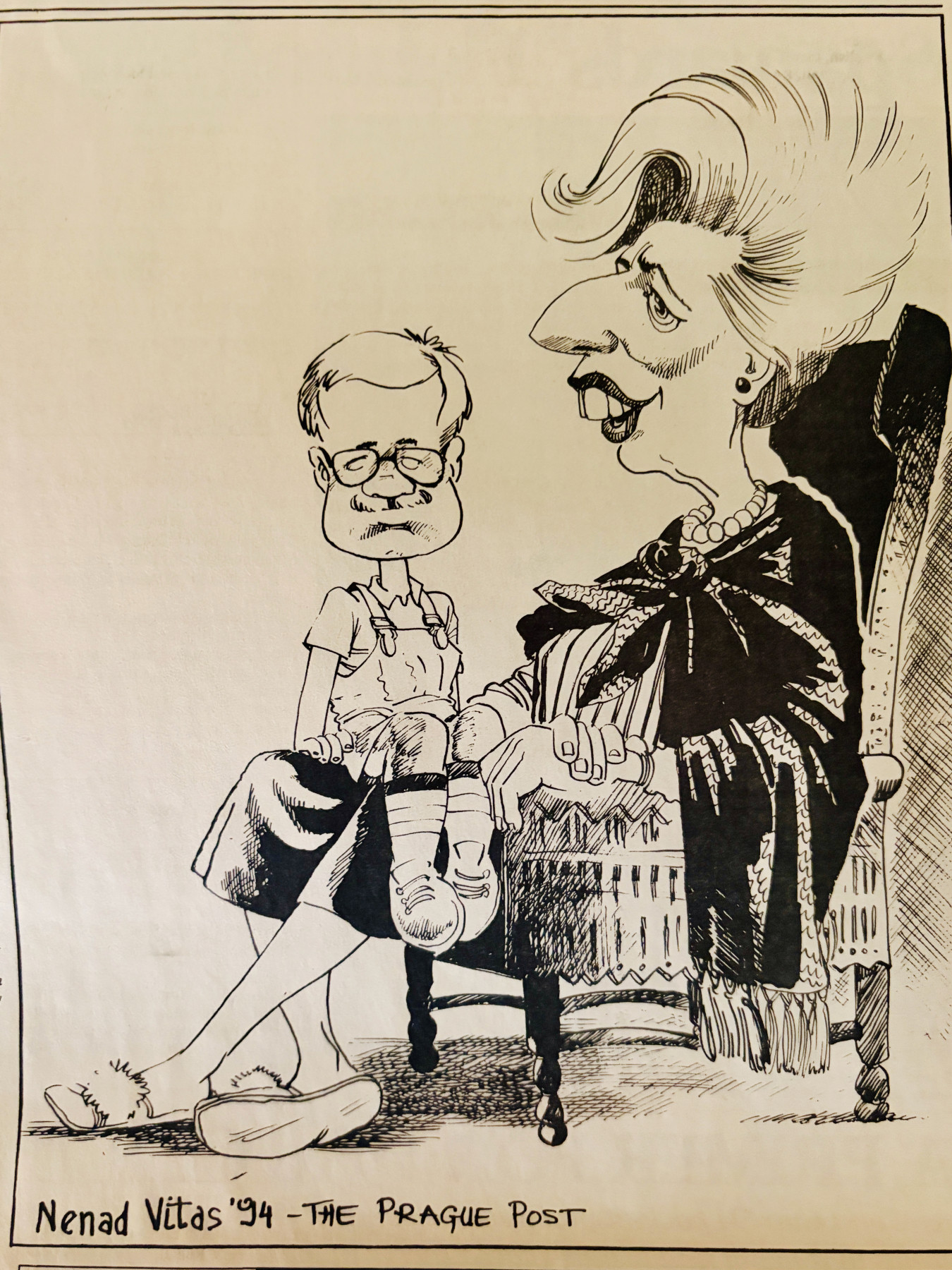
In the early 1990s, Prague's English-language print media was dominated by two newspapers: Prognosis and The Prague Post. Both offered aspiring illustrators and cartoonists the chance to earn some cash, gain experience and put their artwork before a growing expat readership.
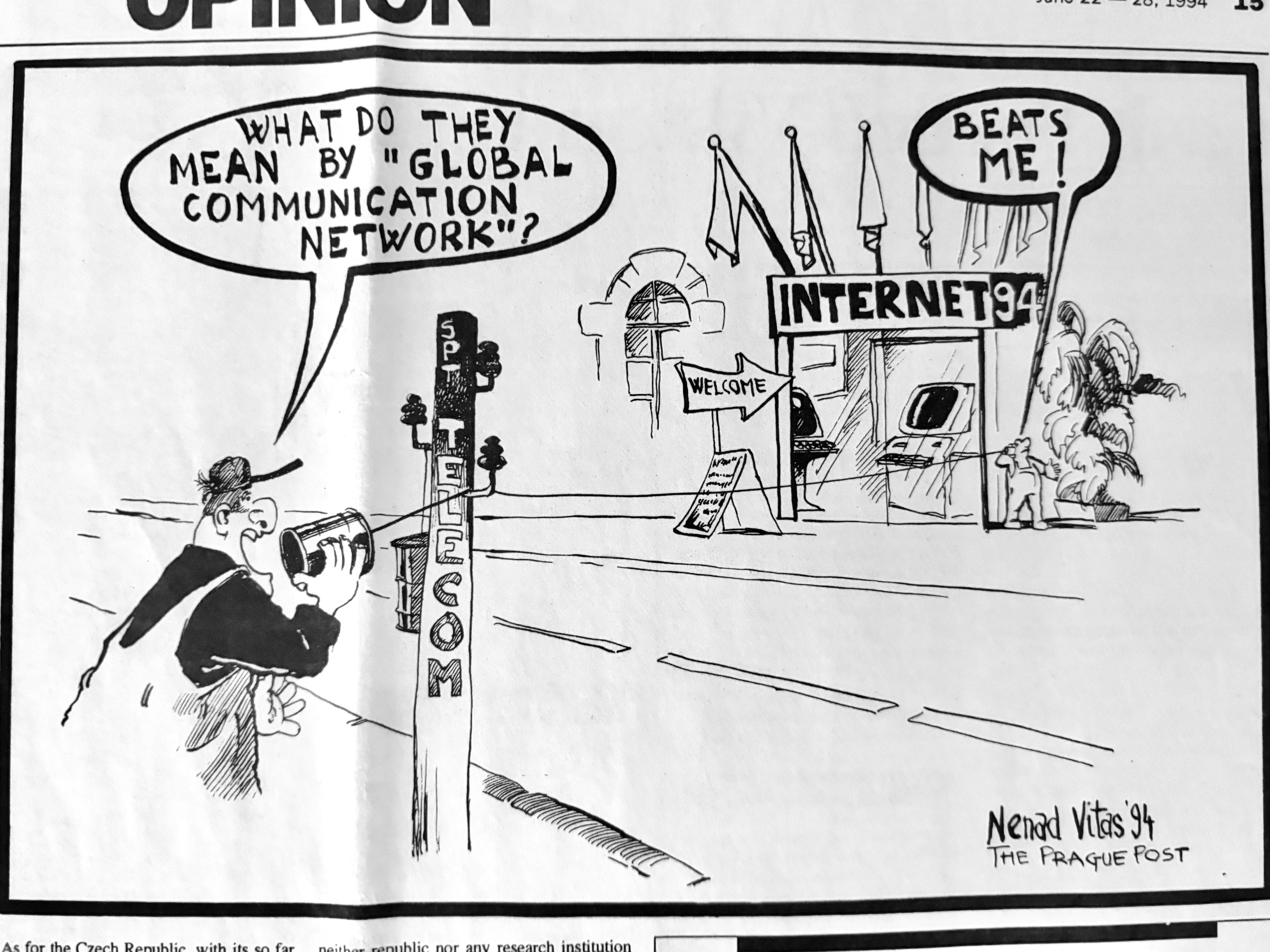
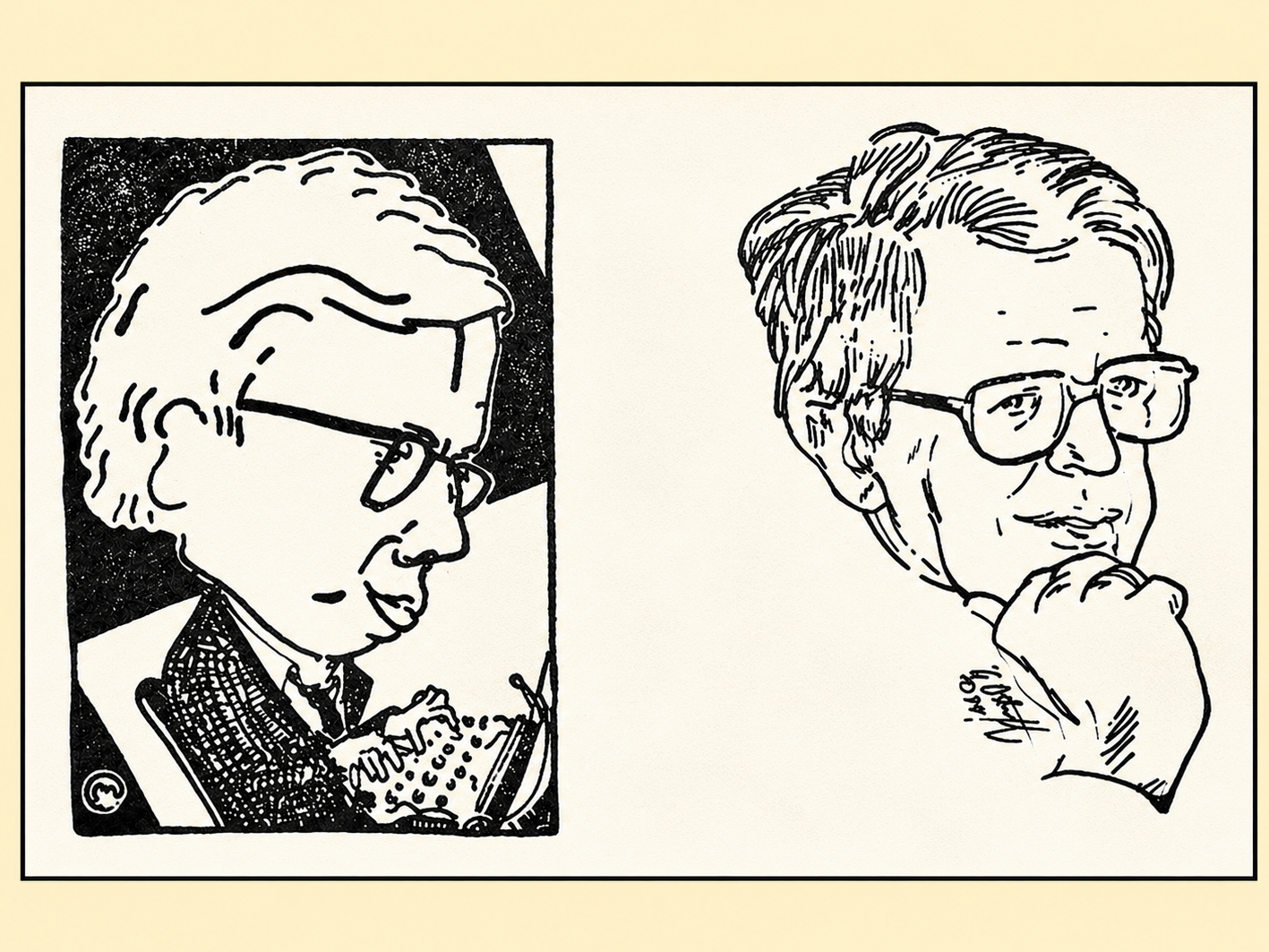
In those pre-Internet days, putting together a weekly newspaper required a surprising amount of original artwork. Illustrators were needed to accompany news stories and opinion pieces, draw editorial cartoons and caricatures of columnists, create headings and designs for regular features, and produce continuing comic strips. Even the awkward empty spaces left over after a page had been laid out sometimes needed a drawing to fill them. For artists looking for assignments, there were plenty of possibilities.
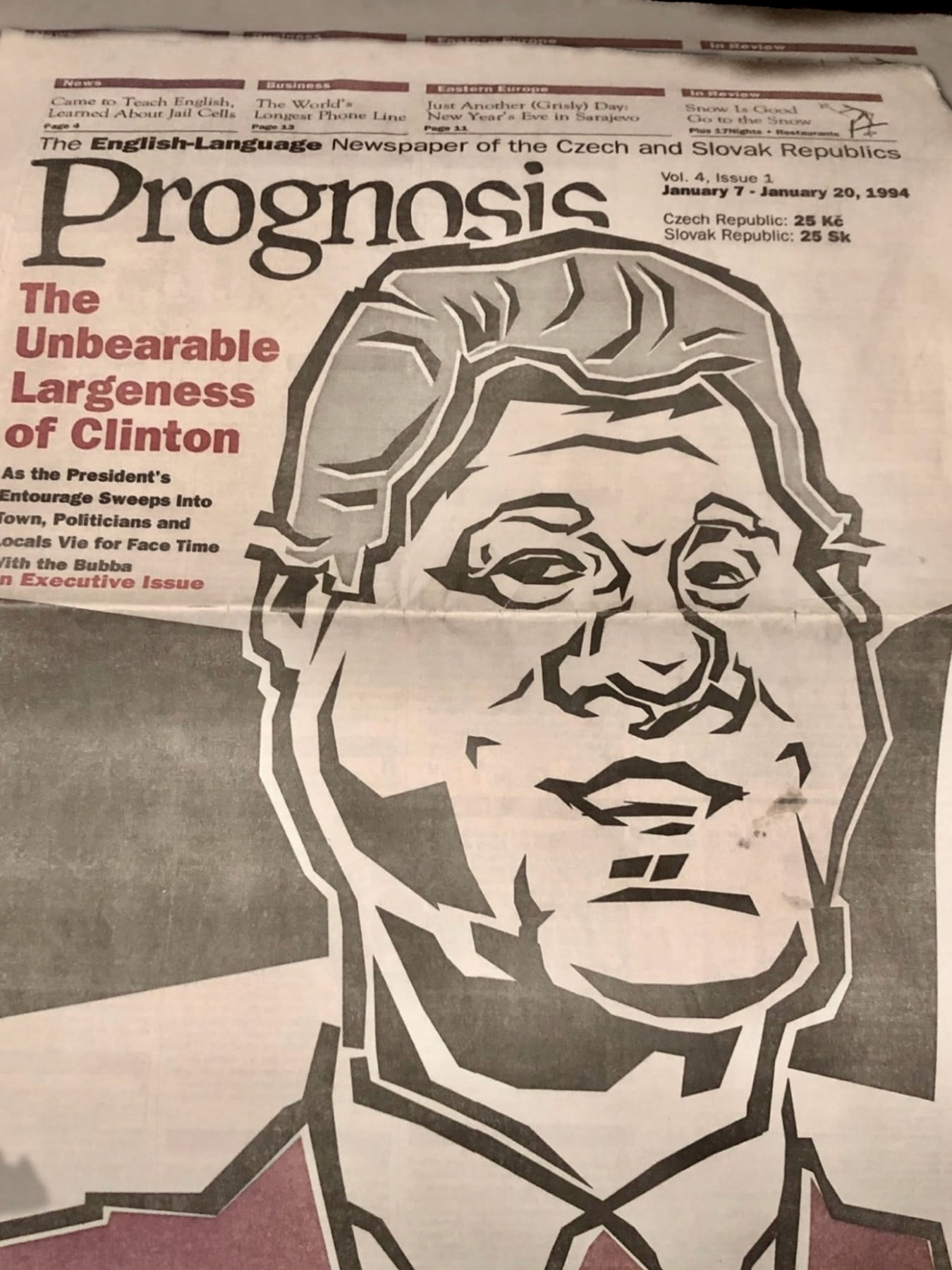
The two papers approached illustration slightly differently. Prognosis often featured original artwork on its covers, giving artists wiggle room to offer their own interpretations of the news. For the paper's January 7–20, 1994, issue, Fedele (Fred) Spadafora drew an oversized, boldly outlined portrait of U.S. President Bill Clinton beneath the headline “The Unbearable Largeness of Clinton” to mark the president's highly touted visit to Prague. Spadafora's exaggerated illustration could also be read as a comment on the expat phenomenon itself. Not only were thousands of Americans coming to Prague, but the biggest American of all was coming too.
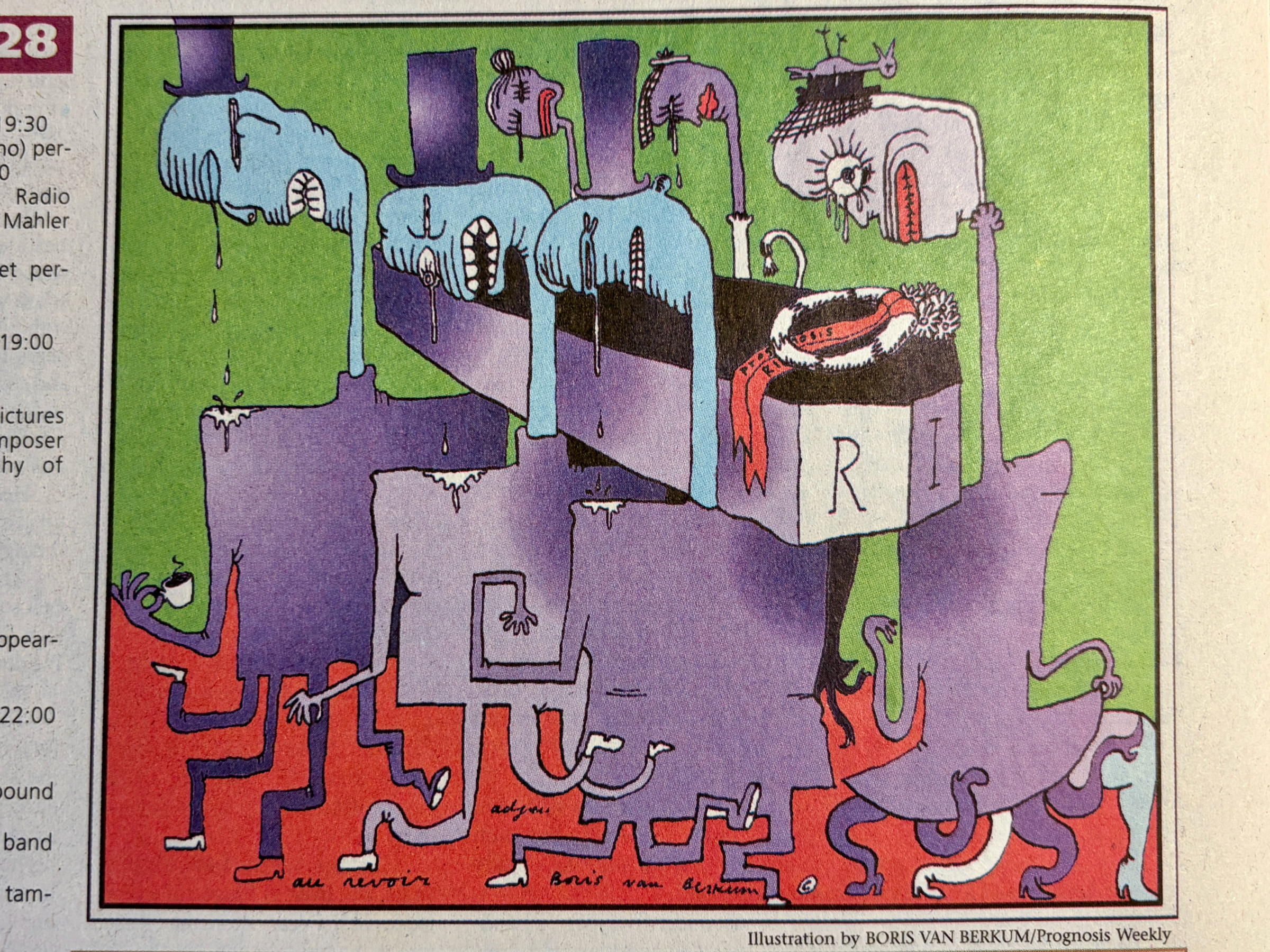
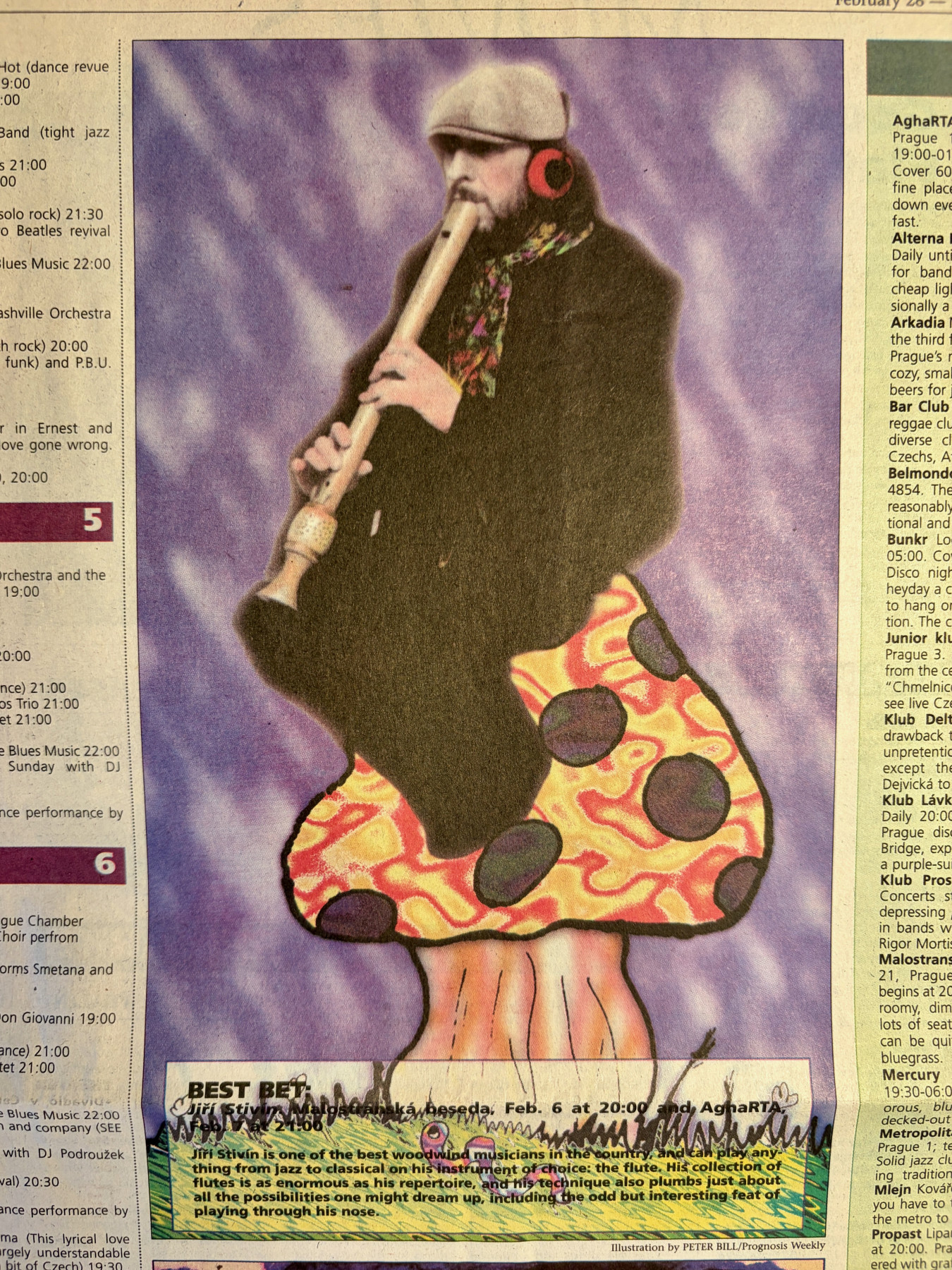
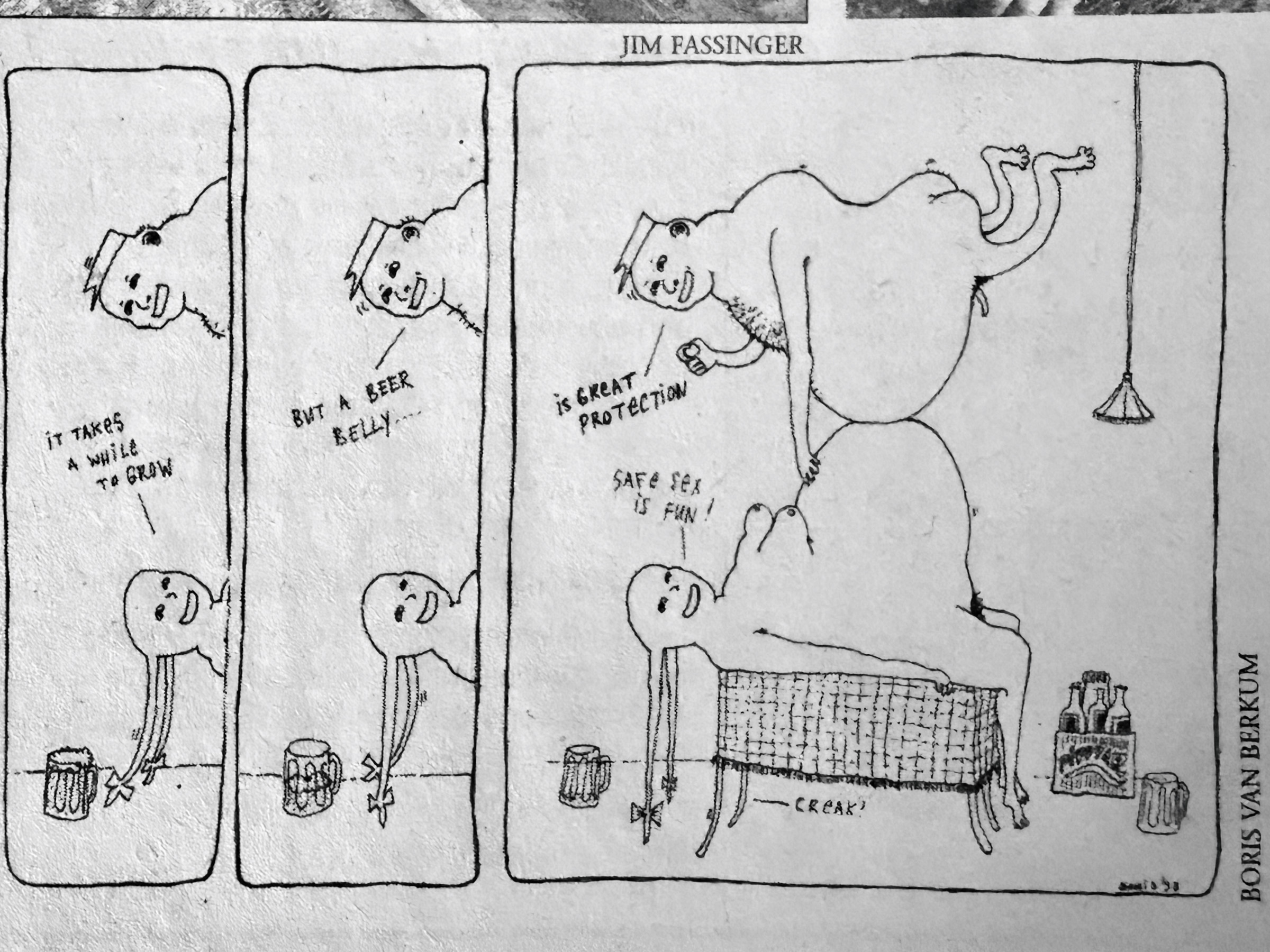
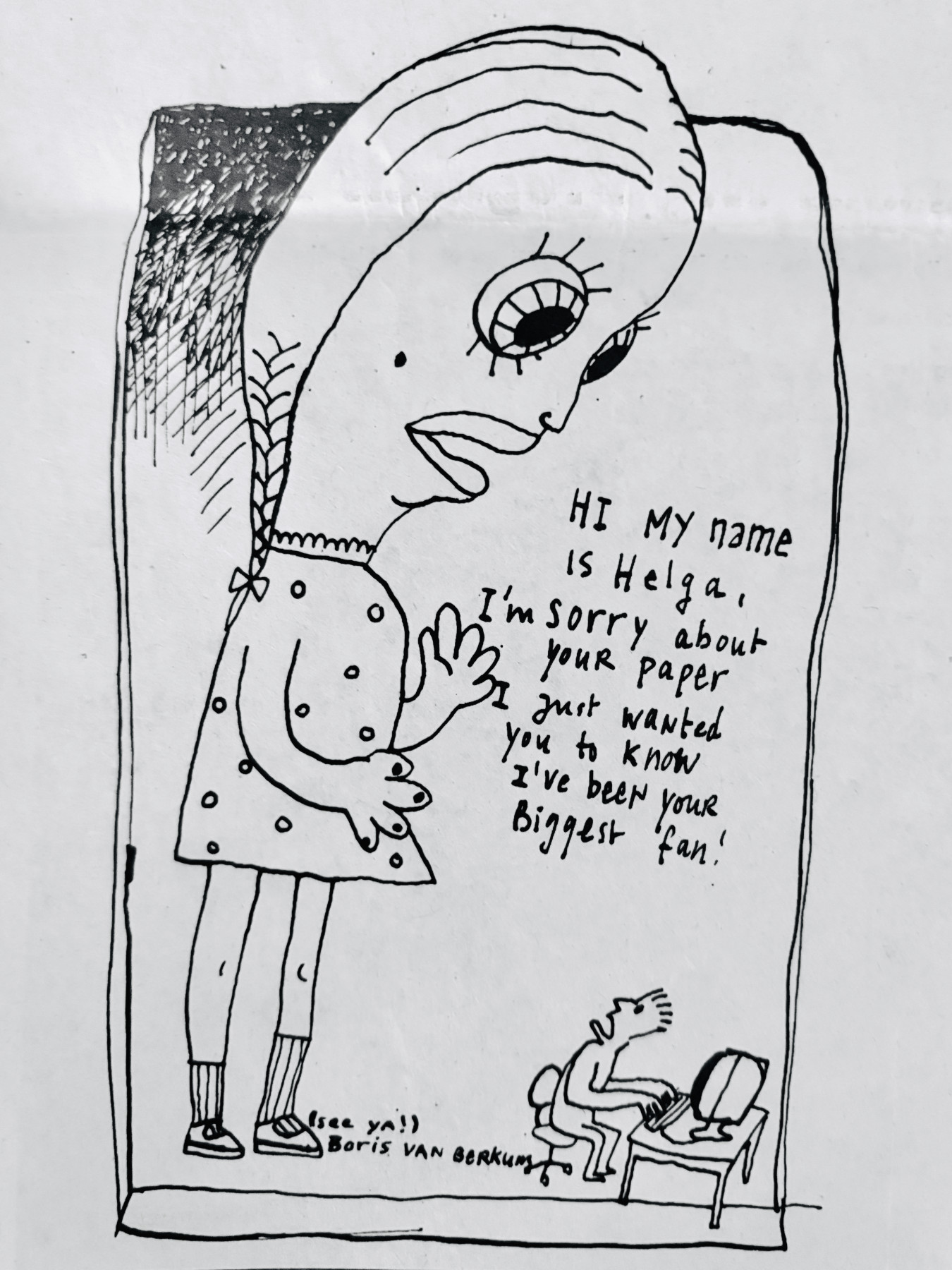
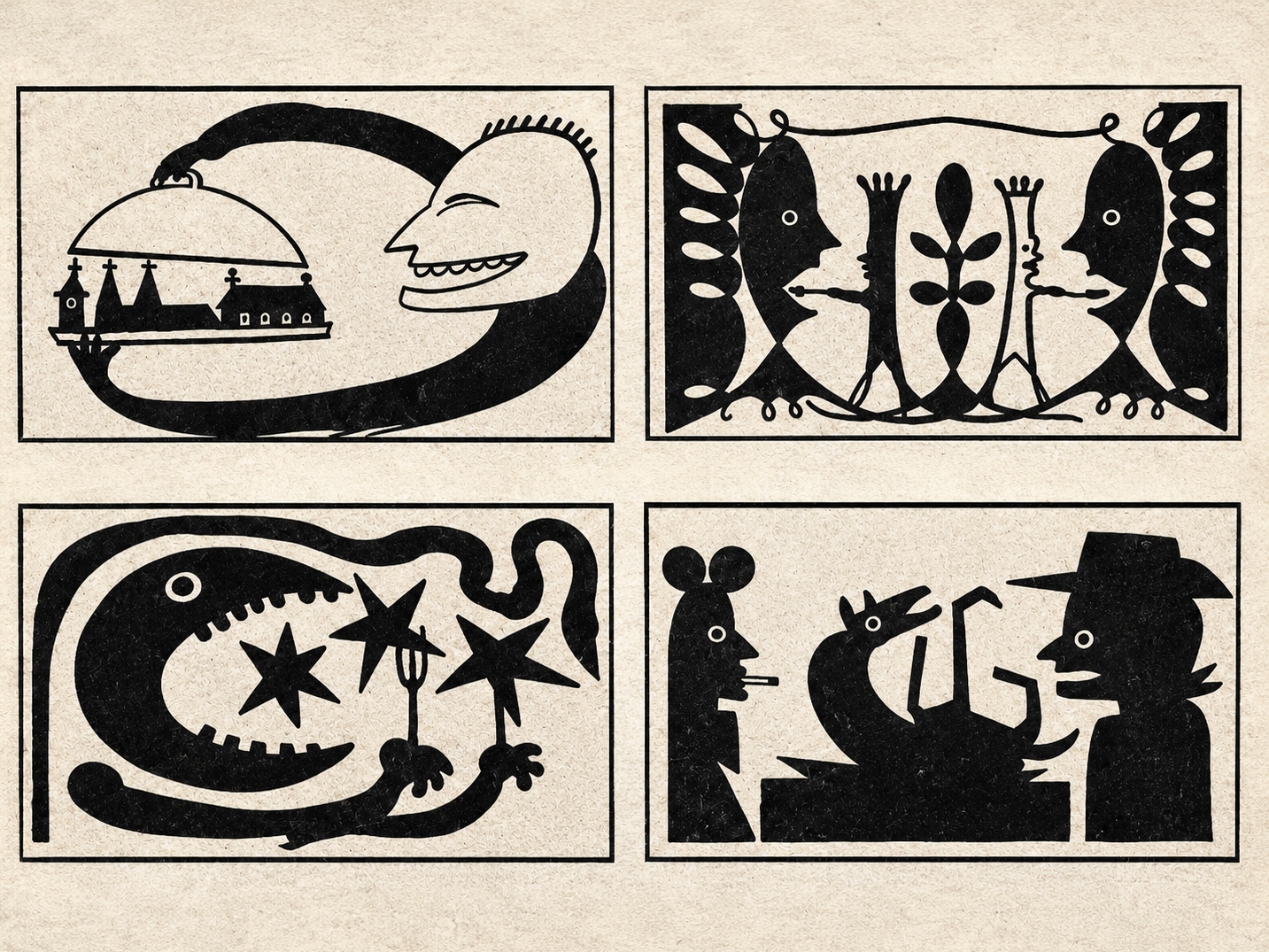
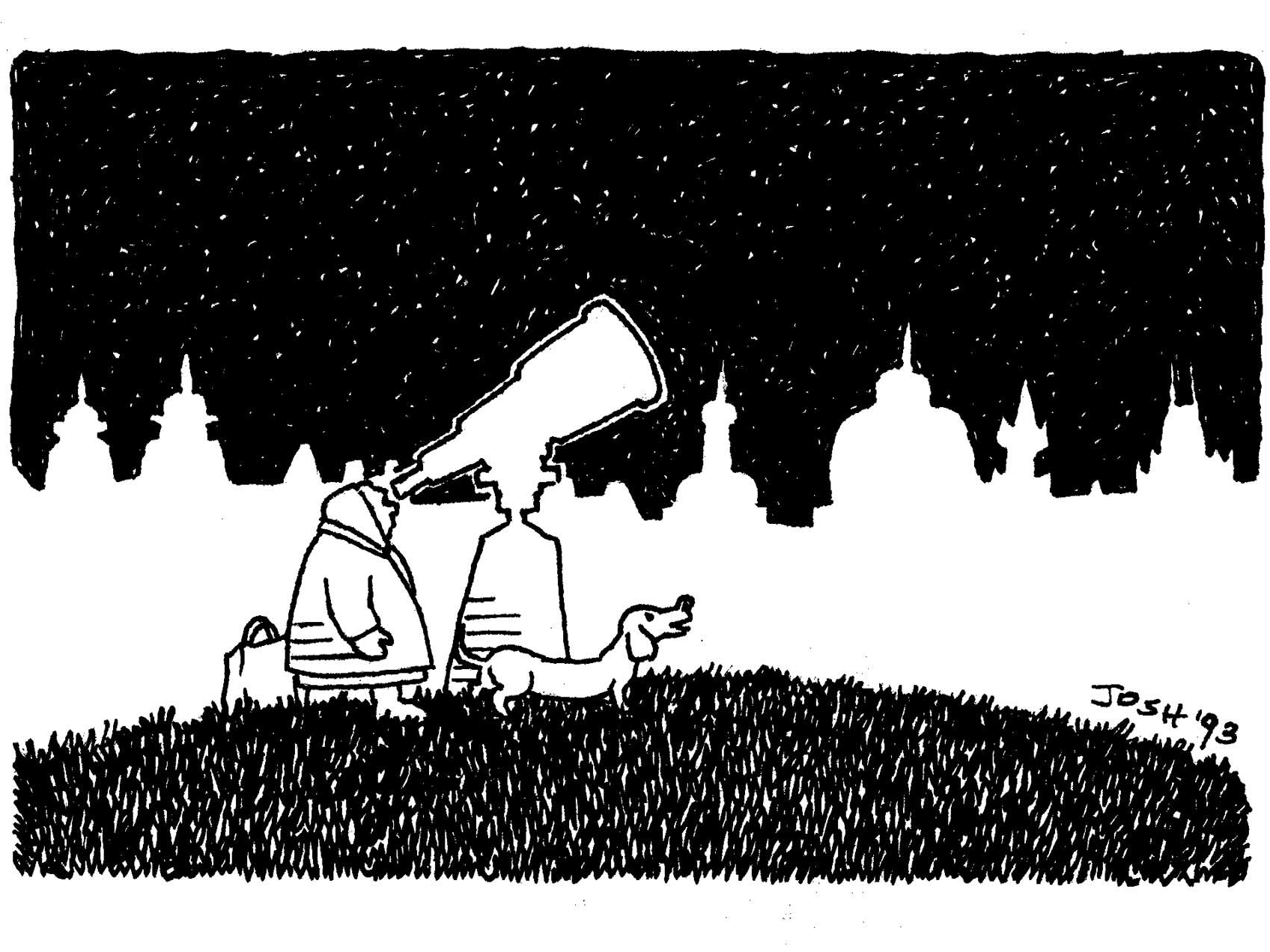
Prognosis artists Boris van Berkum and Josh Neufeld contributed their own playful, irreverent illustrations to the paper's news and cultural sections, based on the main stories of the day. I've included van Berkum's witty drawings for the paper's restaurant and other listings at the top of this story.
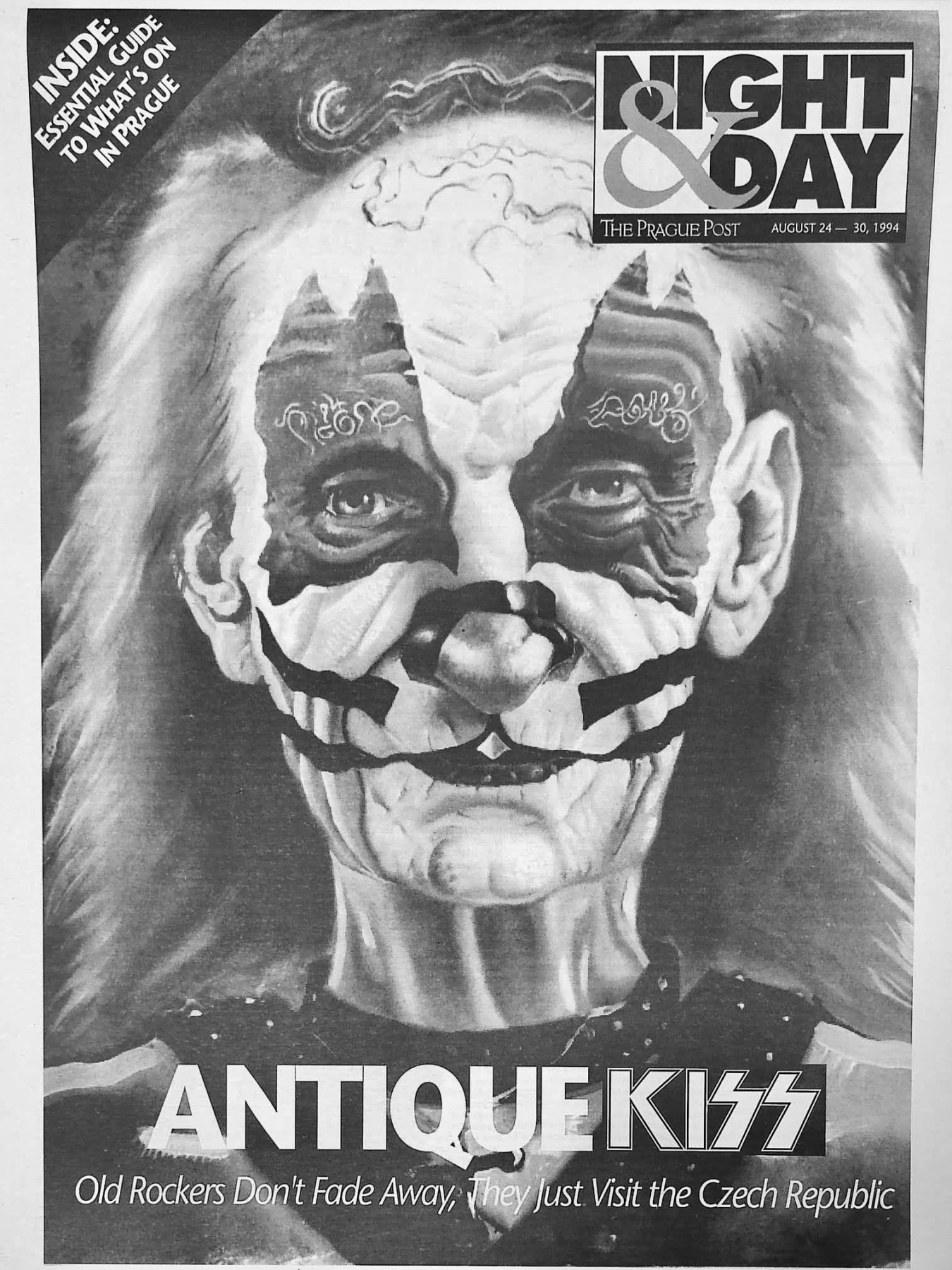
The Prague Post generally favored photographs on its front page, but it also relied heavily on artists for illustrations, cartoons and recurring features. Moore, whose weekly comic strip “Morris Mule” ran in the paper, later praised the Post for giving young artists a chance to break into the business: “People would always take digs at the (paper) ... I never understood it. So many of us were getting this fantastic opportunity to cut our teeth.”
The drawings did more than entertain readers or fill empty spaces. Together, the cartoons, caricatures and illustrations helped establish a playful, irreverent and often self-deprecating visual tone for Prague's growing expatriate community.
Drawing Expat Life
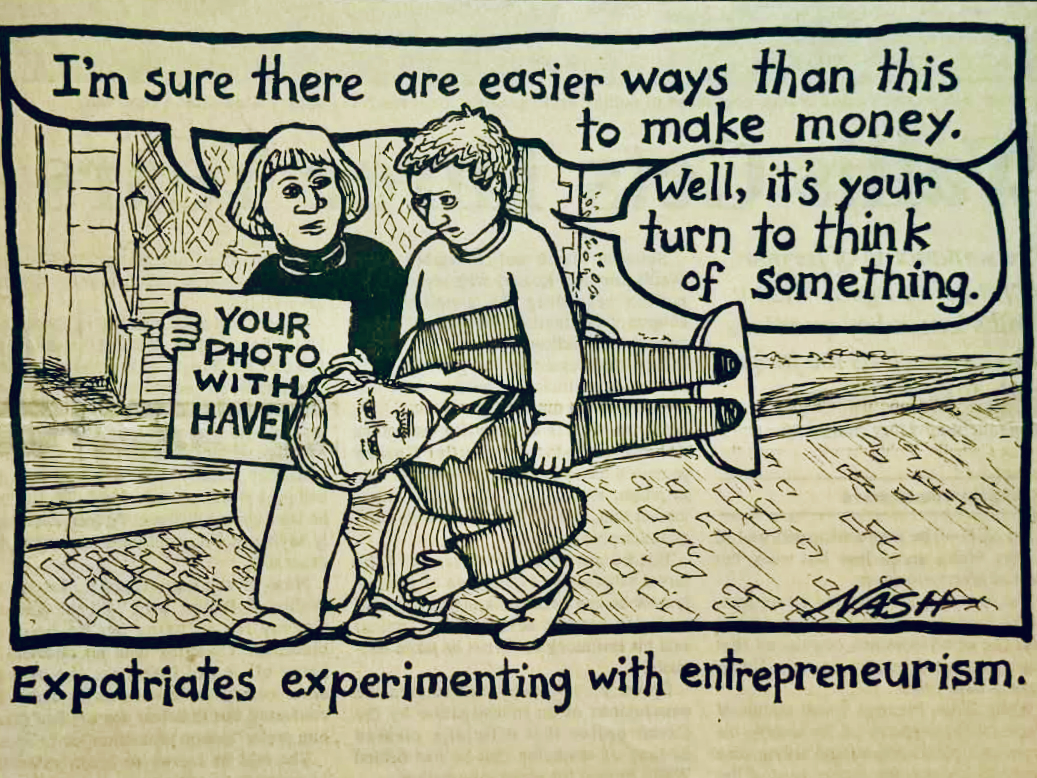
The artists and illustrators never had to look far for material. Popular comic tropes included the frustrations of learning Czech, the locals' famous fondness for beer, the mysteries of Czech bureaucracy, and the inevitable cultural misunderstandings that naturally arose in day-to-day interactions. The expats themselves were equally tempting targets: either clueless newcomers and tourists or recent arrivals who took themselves maybe a little too seriously, including the aspiring literary stars holding forth at the Globe or at weekly Beef Stew poetry readings at Radost FX. The jokes wrote themselves.
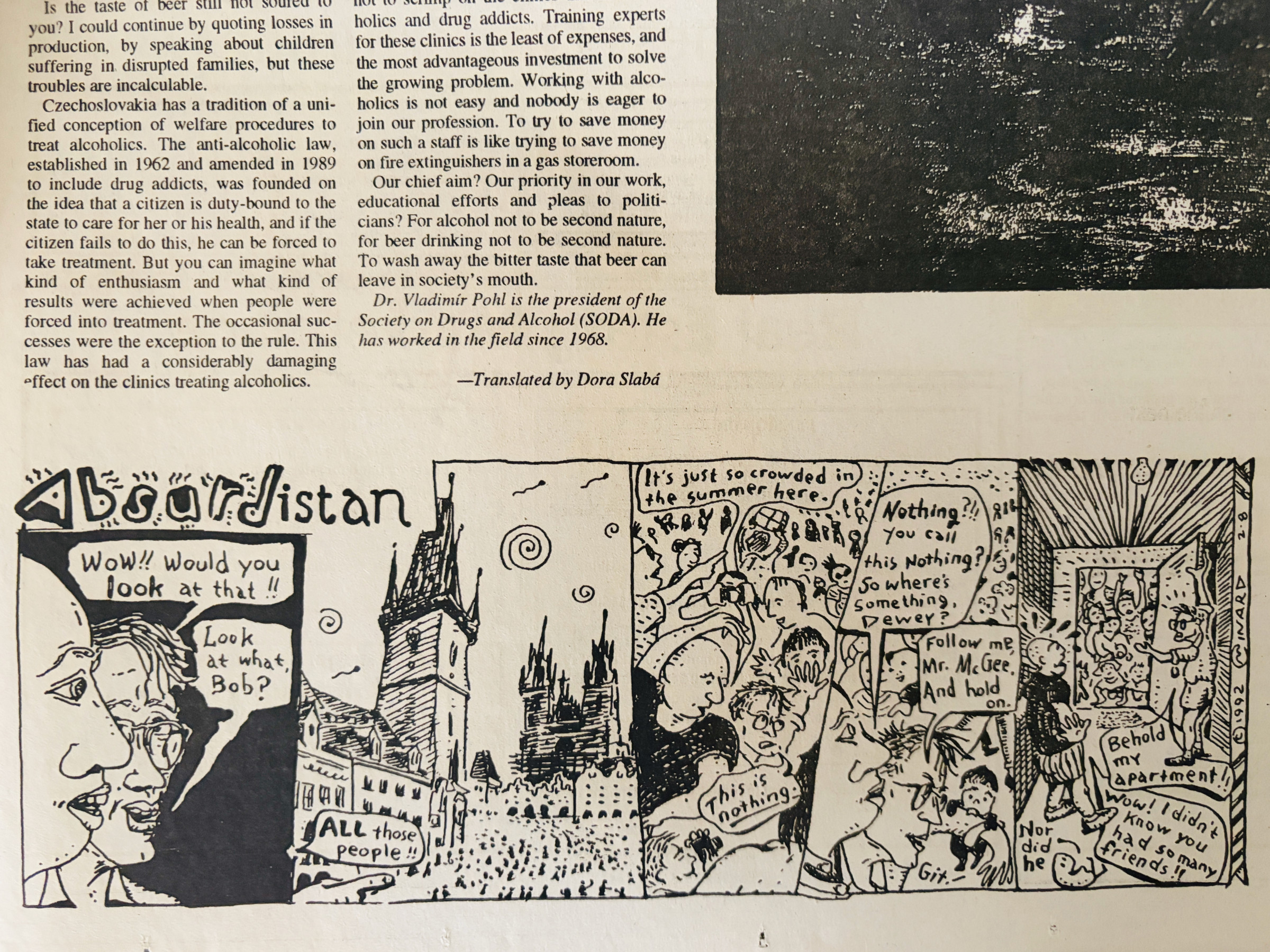
But making those jokes land as intended was another matter. I've chosen five artists here -- Ken Nash, Adam Trachtman, Stewart K. Moore, Tony Mullen and Josh Neufeld -- whose work illustrates some of the different ways cartoonists approached the expat experience, along with the possibilities and occasional pitfalls they encountered.
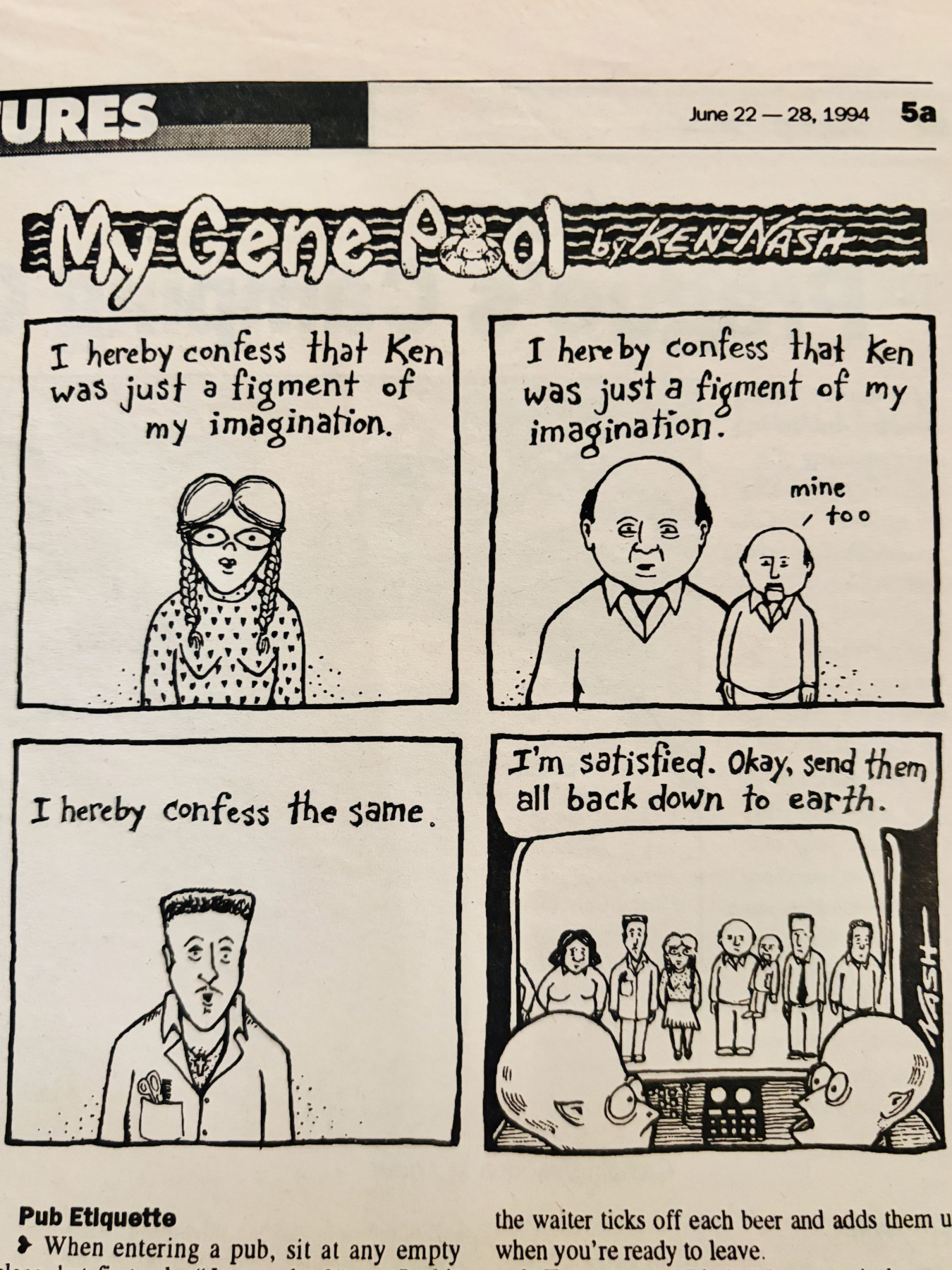
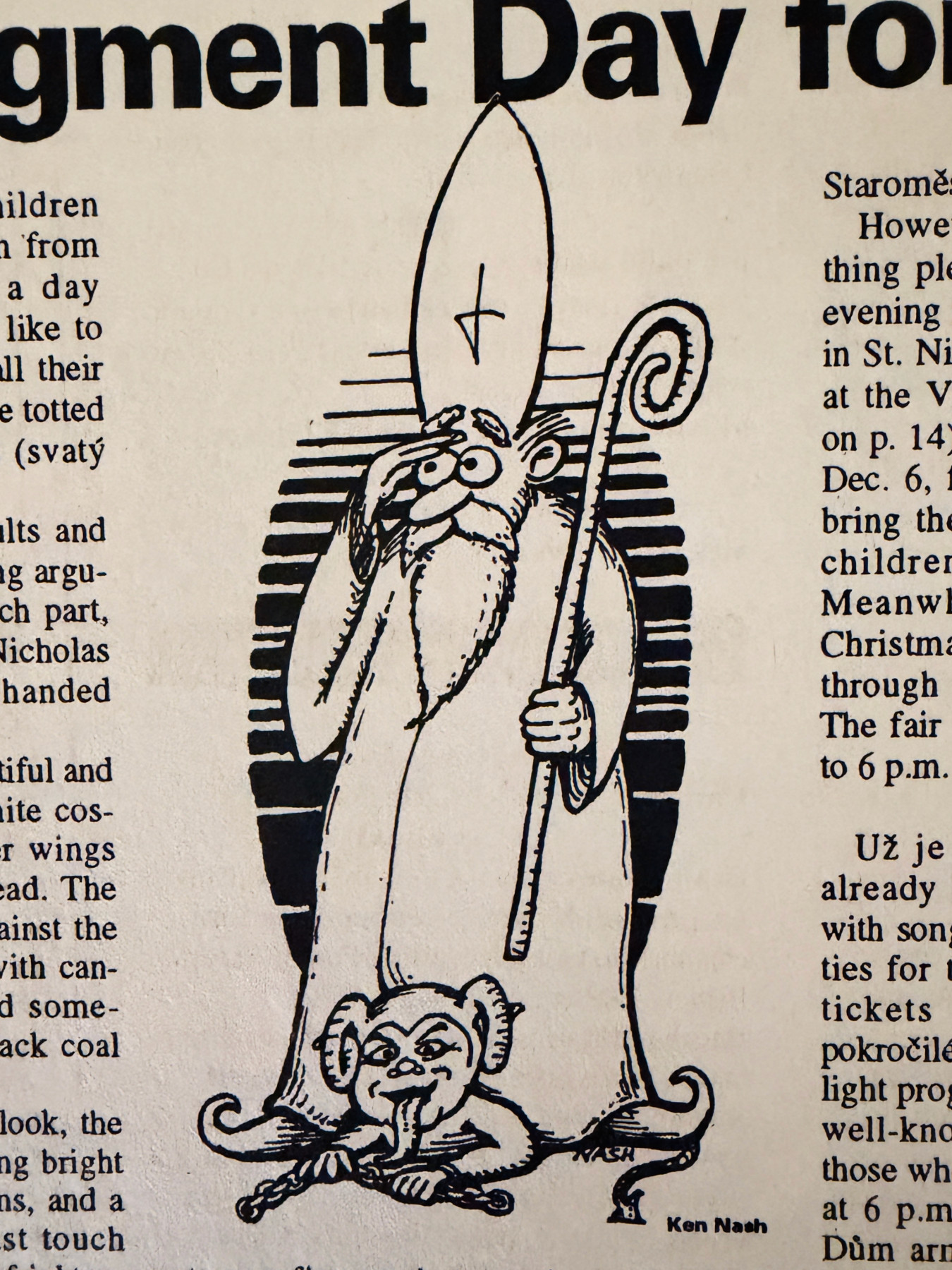
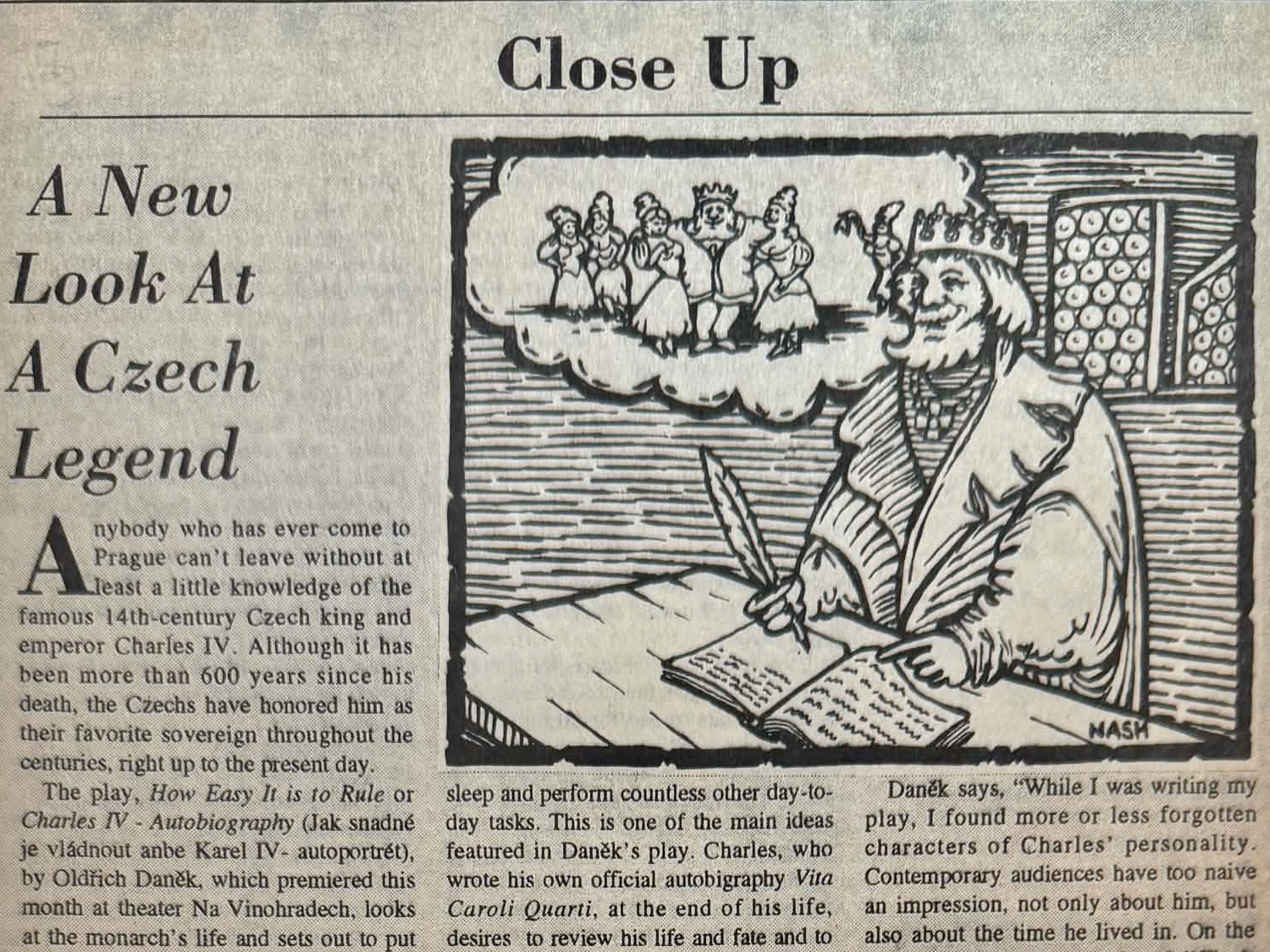
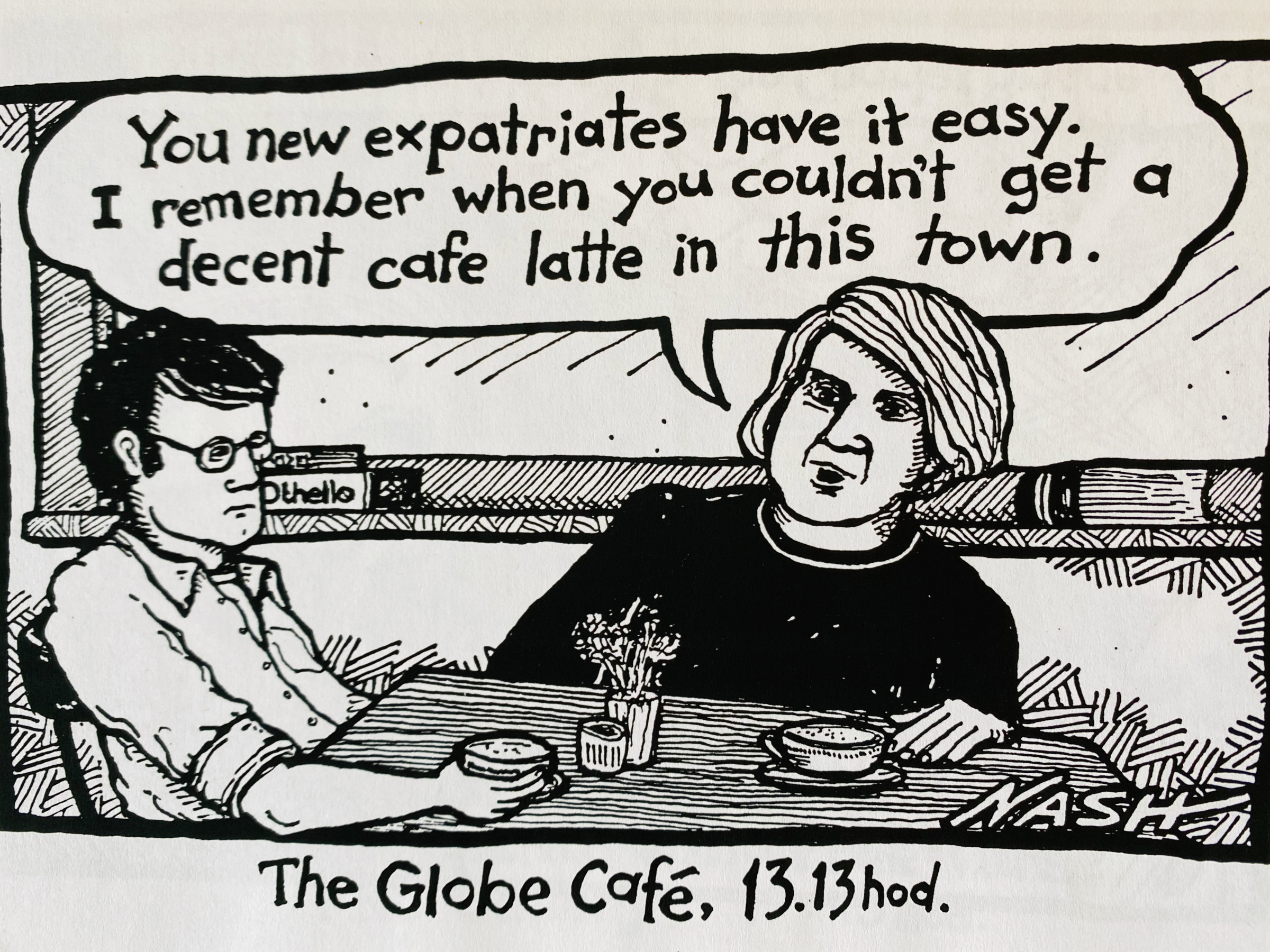
Nash's drawings found humor in the small absurdities of everyday expatriate life, using recognizable characters and understated expressions to deliver the jokes. In one cartoon set at the Globe Bookstore & Coffeehouse, a seasoned expat tells a more-recent arrival: “You new expatriates have it easy. I remember when you couldn't get a decent café latte in this town.” The speaker's air of worldly experience contrasts with the trivial hardship he's describing, while his companion (possibly Ken himself?) looks distinctly unimpressed.
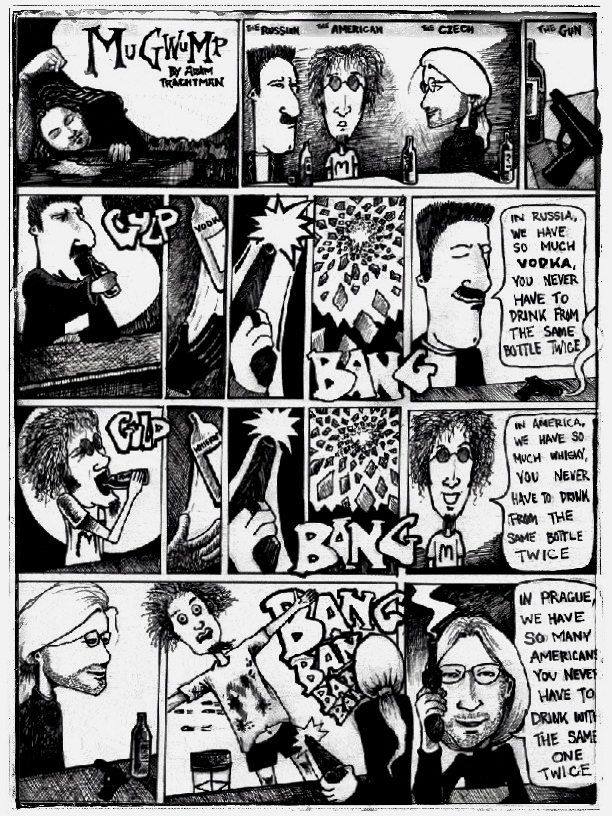
Trachtman's Mugwump cartoons for Think magazine often took a more exaggerated approach. In one strip, a Russian, an American and a Czech compare their drinking habits. The Russian boasts of his country's endless vodka, the American of its whiskey, while the Czech delivers the punch line: “Prague has so many Americans that you never have to drink with the same one twice.” Trachtman's expressive caricatures propel the joke, turning the expats themselves into the objects of Czech amusement.
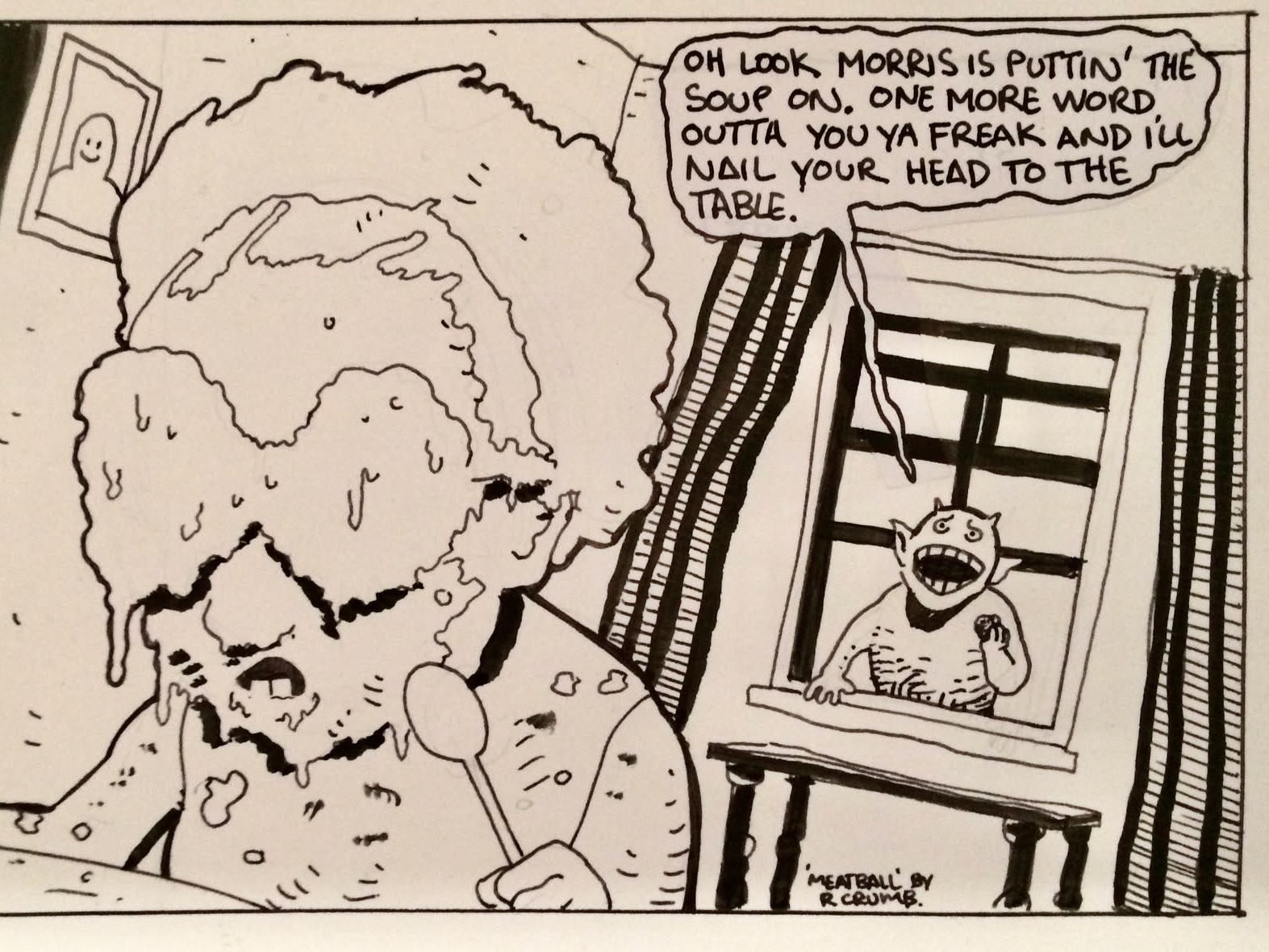
Moore, an accomplished painter with a talent for comic-book art, brought that sensibility to Morris Mule, his weekly strip in The Prague Post from 1995 to 1997. His densely packed panels, unusual characters and surreal storylines seemed closer to a graphic novel than to conventional newspaper cartoons. His ambitious approach made Morris Mule visually distinctive, but perhaps more demanding than casual readers of the paper might have been accustomed to.
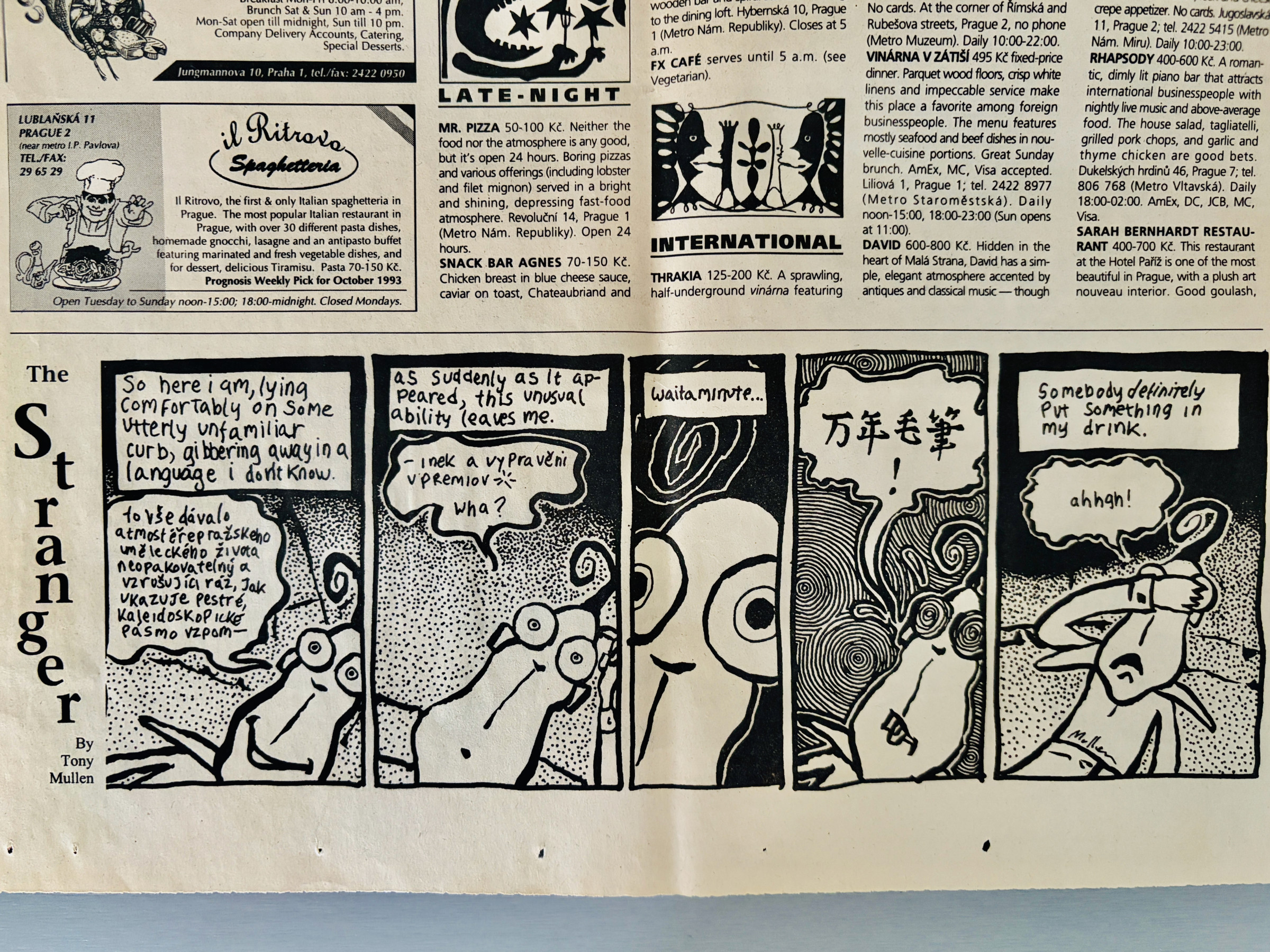
Mullen explored expatriate Prague through The Stranger, his continuing strip in Prognosis. In one episode, his loosely autobiographical protagonist sits in a bar listening to Czech, only to discover his limited understanding of the language has suddenly deserted him. Mullen conveys this confusion through bewildered eyes, narrowing panels and swirling backgrounds, until the character concludes someone must have slipped something into his drink. The drawings invite readers to share his bewilderment, a feeling most of them knew well.
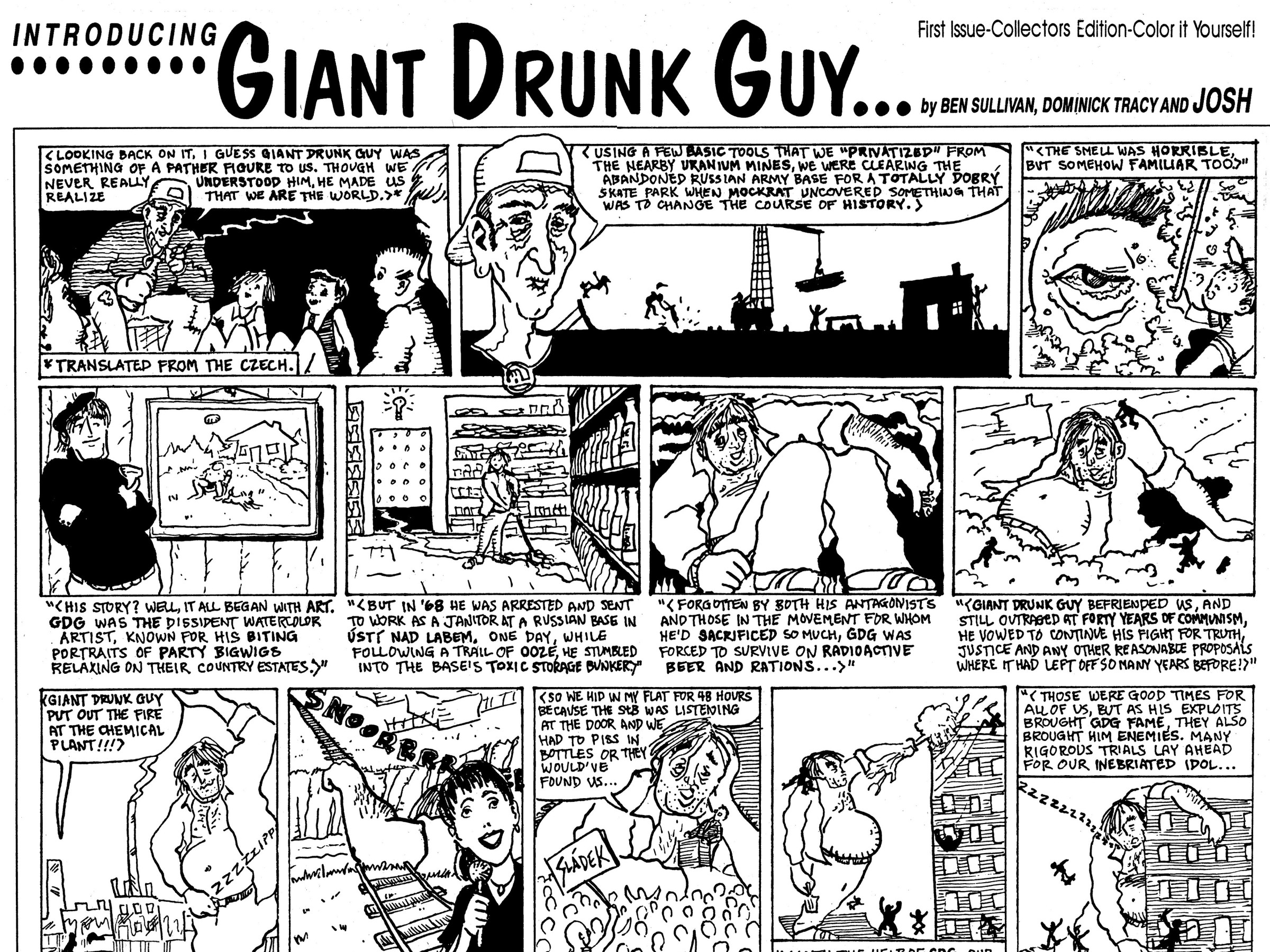
Neufeld, another Prognosis artist, illustrated Giant Drunk Guy, a seven-part comic strip written by Ben Sullivan and Dominick Tracy in 1993. Its unlikely hero was a Czech dissident watercolorist who grew to enormous proportions after drinking radioactive beer at a Soviet military base. Neufeld's detailed drawings and mock-heroic storytelling borrowed from superhero comics, turning the darker legacies of communist-era Czechoslovakia into an outrageous fantasy.
These five artists only scratch the surface of the cartoons and comic strips that appeared in Prague's expatriate publications. Some jokes still work today; others depend on knowing the people, places and peculiarities of the time. But the drawings themselves remain fascinating, showing how artists could use a few panels to capture something distinctive about the experience of being a newcomer in 1990s Prague.
Magazines and Literary Journals
By the mid-1990s, Prague was experiencing an explosion of English-language literary journals, cultural magazines and informal ’zines. For illustrators and graphic artists, these publications offered another outlet for their work, often with more freedom to experiment than the relatively conventional formats of the newspapers.
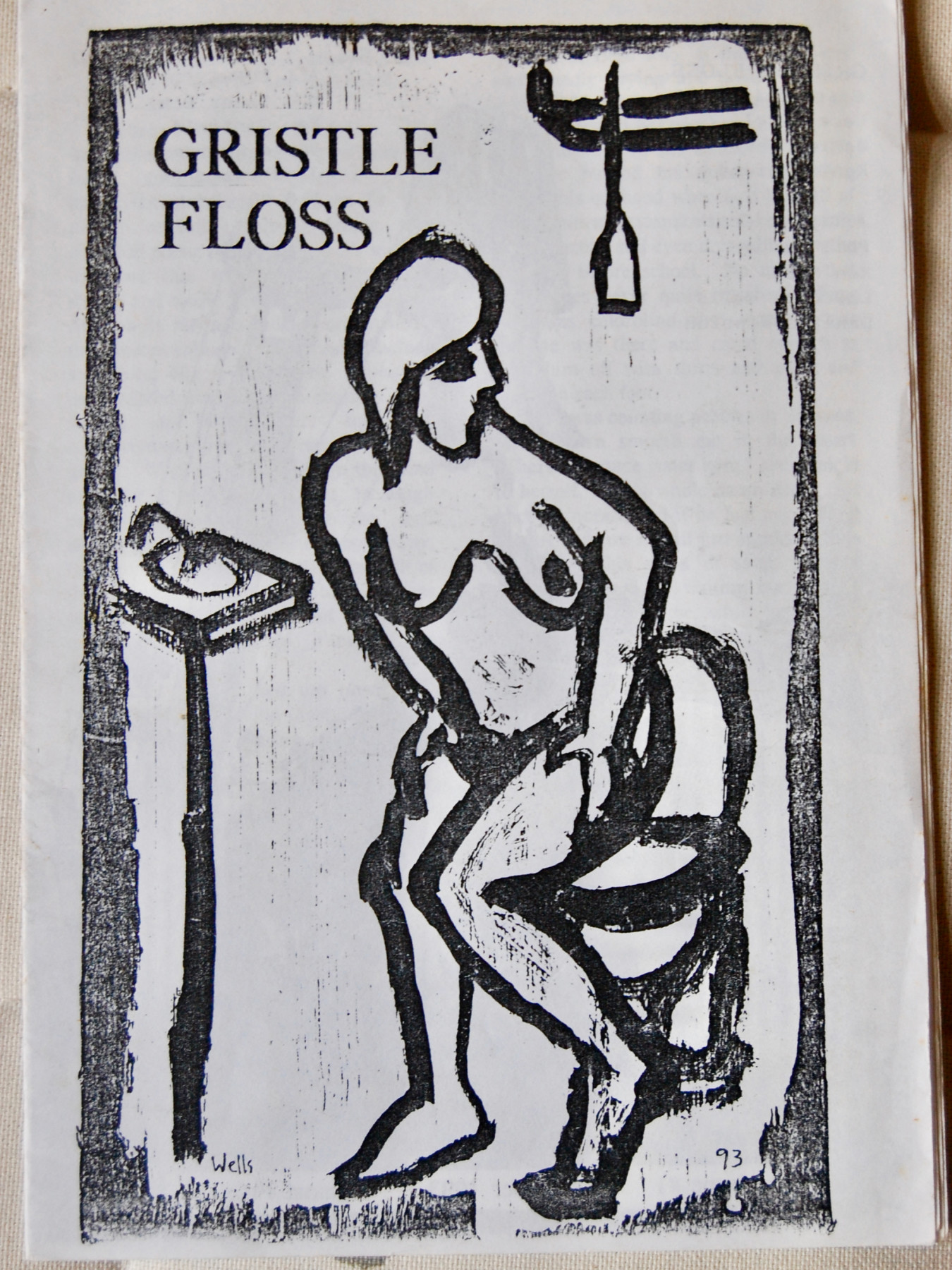
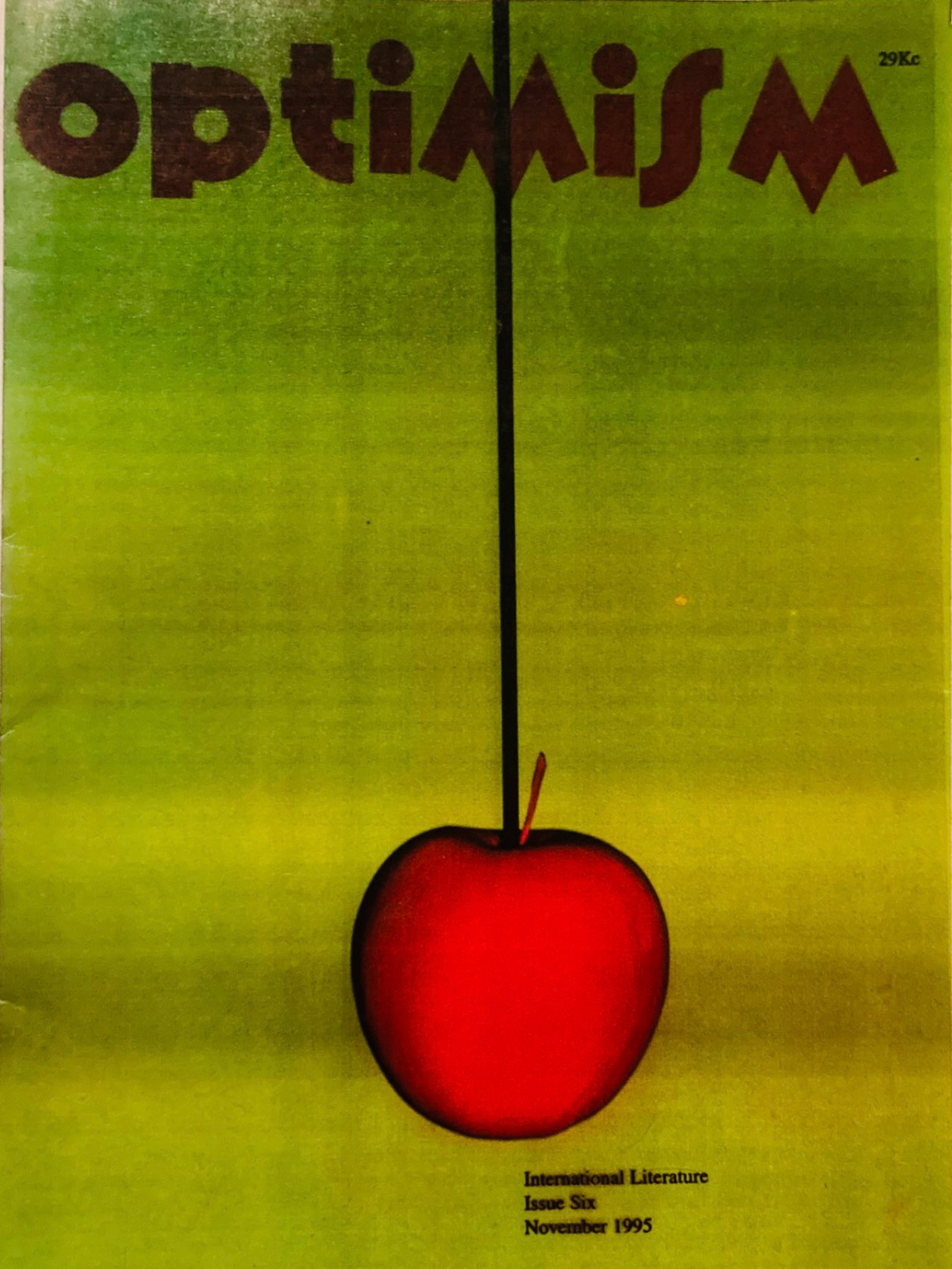
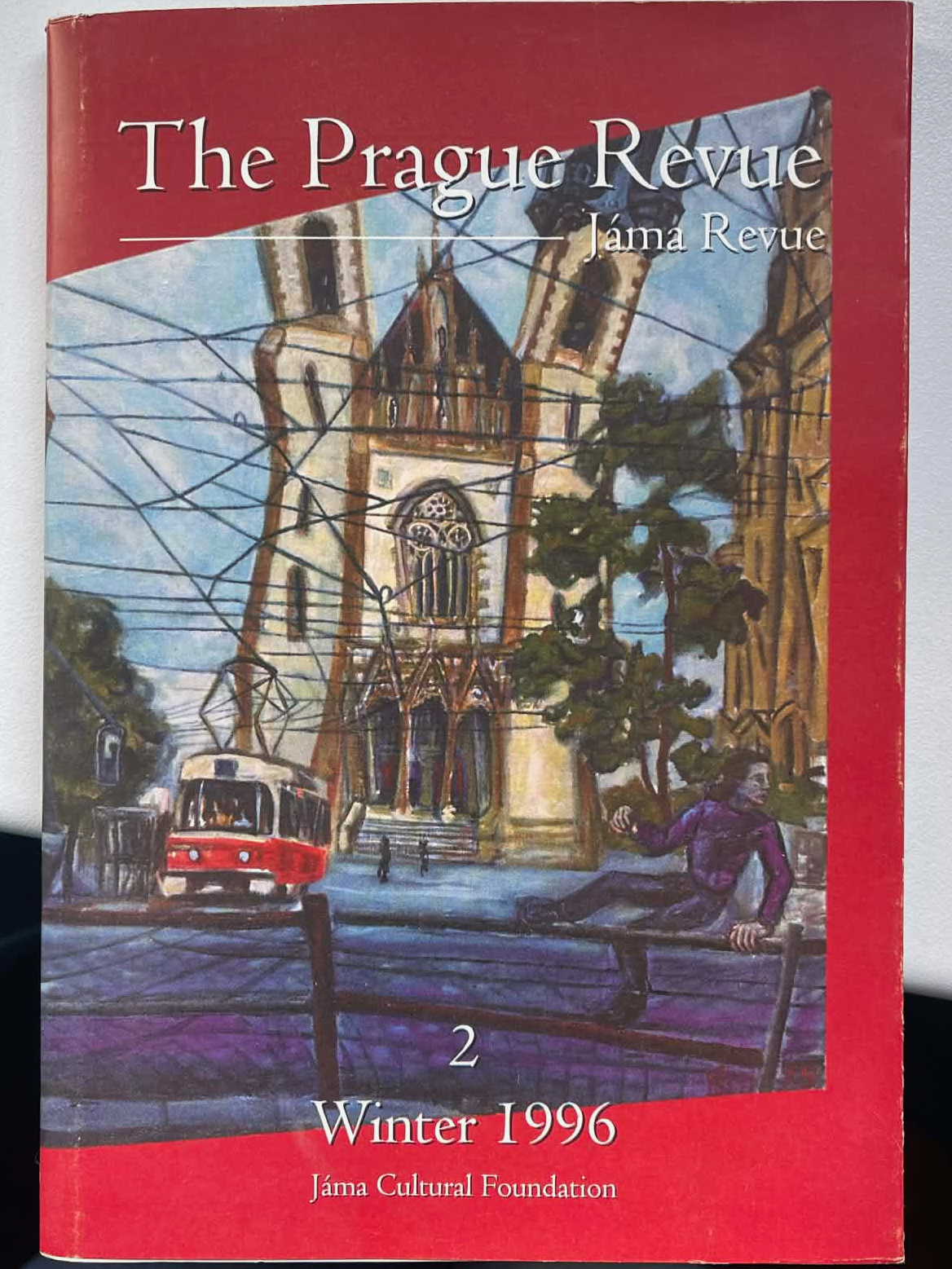
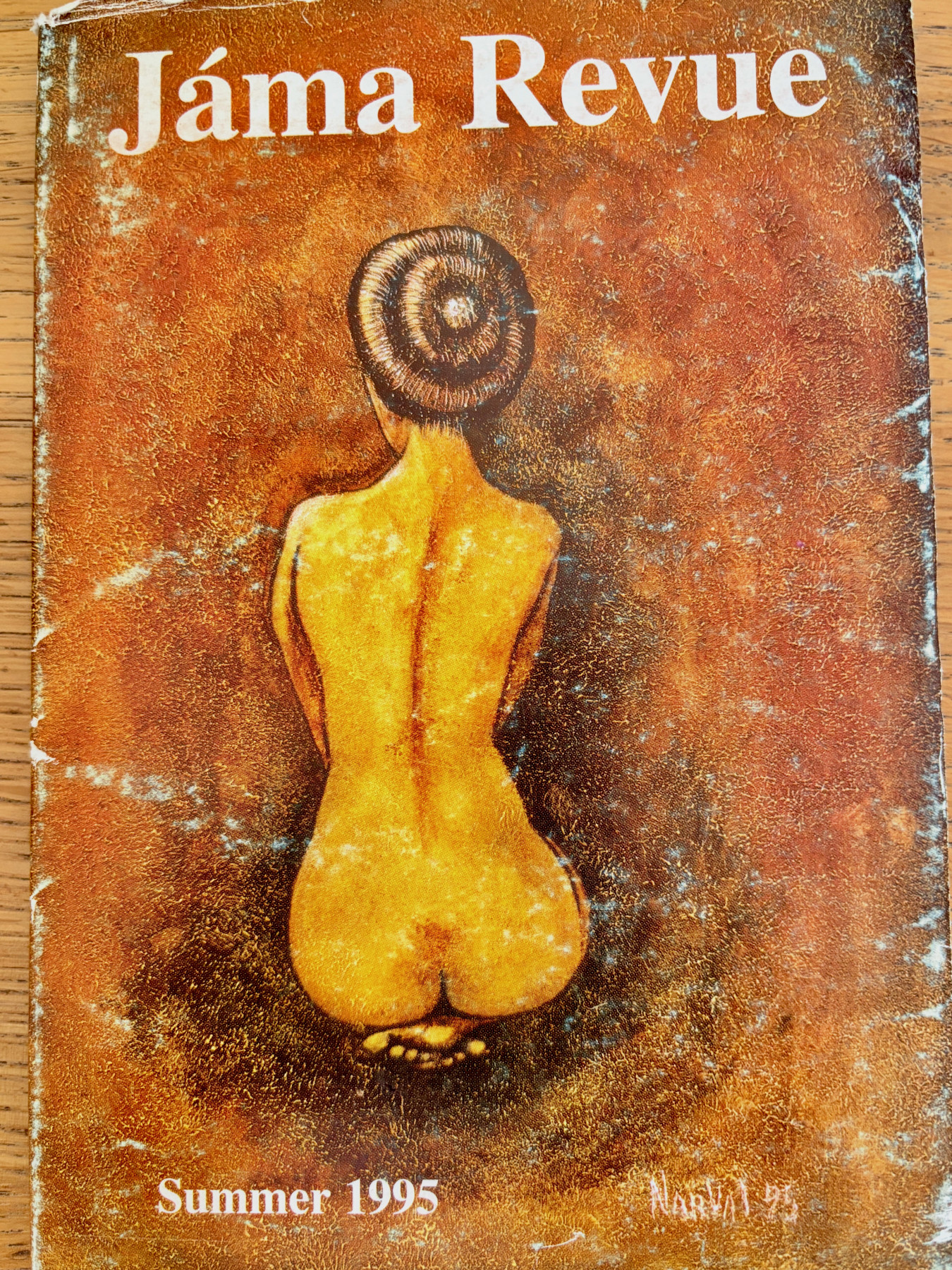
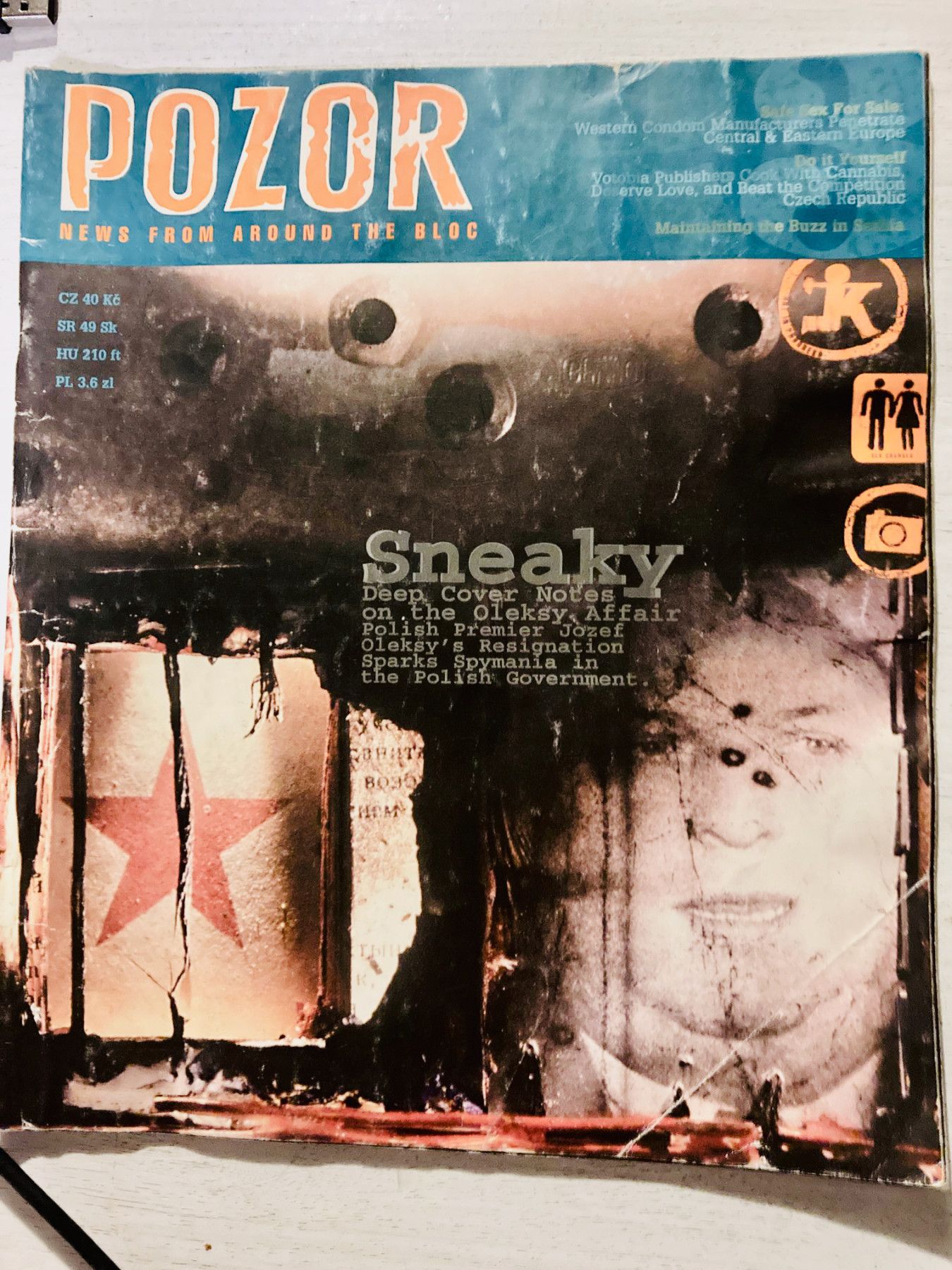
A handful of these new publications had ambitions that extended beyond Prague. The international success of Trafika in 1994 and 1995 showed that a literary journal published in Prague could attract attention abroad. Jáma Revue also looked beyond the local expat community, while Pozor sought to explore the emerging political and cultural landscape of Central and Eastern Europe. Think, Optimism and Velvet, meanwhile, were ambitious city magazines with a stronger focus on Prague itself. Smaller 'zines, such as Gristle Floss, offered a more informal outlet for experimentation and local exposure.
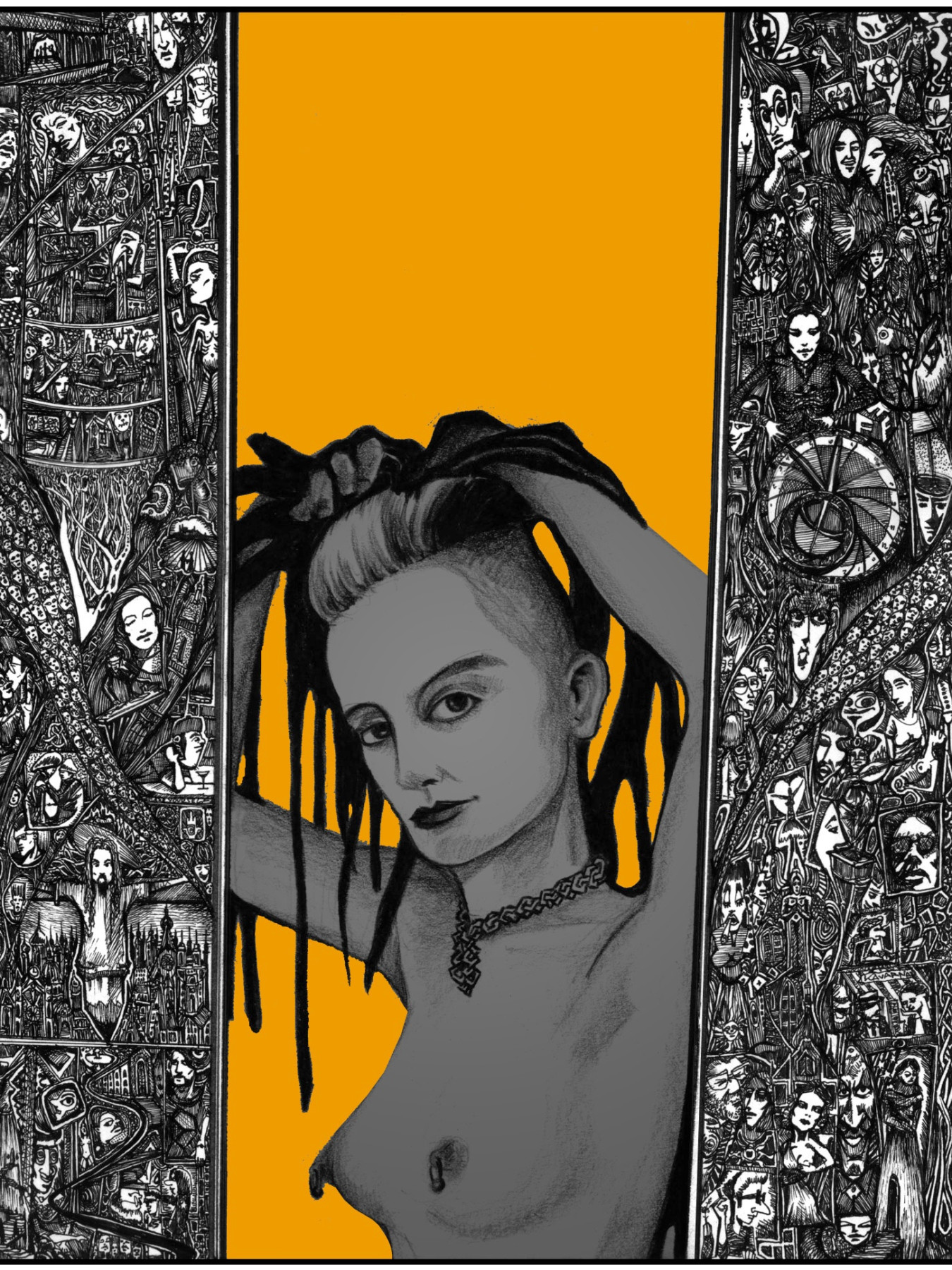
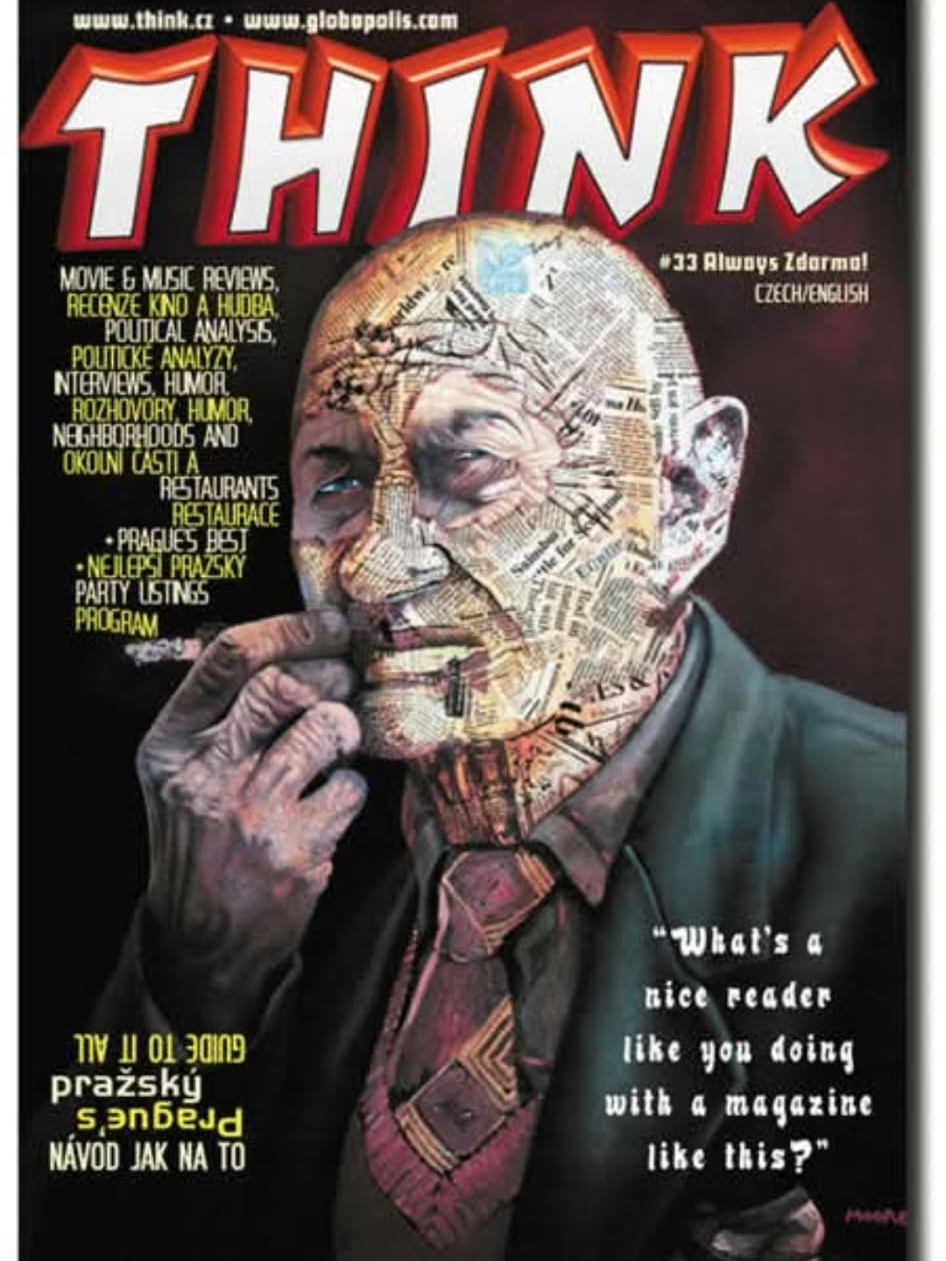
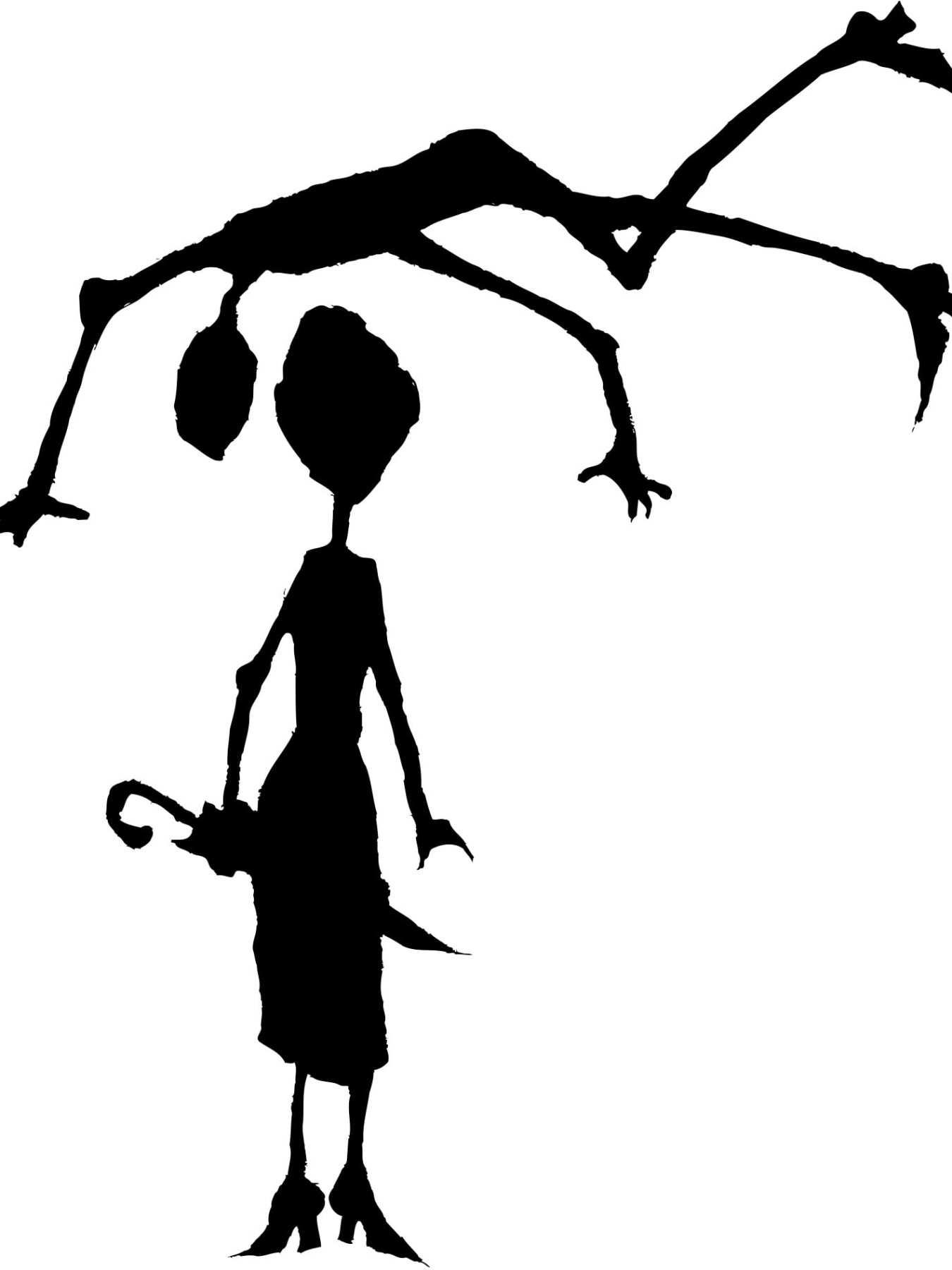
For artists, the magazine and literary-journal format provided something beyond the conventional illustration assignment: room to experiment. A cover could become a canvas for an independent work of art, sometimes with little obvious connection to the articles inside. Adam Trachtman’s covers for Optimism and Think, Stewart K. Moore’s work for Think, and Valerij Narbekov’s borderline-racy cover for Jáma Revue all suggest artists taking advantage of that freedom. Their work could be appreciated on its own terms, rather than simply as an accompaniment to the writing.
Pozor pursued a somewhat different kind of artistic experimentation. Its covers often combined distressed photographs, rough textures, unconventional typography and sometimes jarring compositions, as though searching for a new visual language for post-communist Central and Eastern Europe. The cover I've reproduced here, Karl Bielik and Martina Leeven's treatment of the political scandal surrounding Polish Prime Minister Józef Oleksy, was a striking example. There's something almost brutalist about the approach: ordinary, sometimes unattractive images and fragments of text assembled into compositions that were rough-edged but also compelling.
Beyond the Press
Newspapers and magazines weren't the only outlets for expat artists in ’90s Prague. The city's book-publishing scene also offered opportunities for illustrators and cover designers, sometimes bringing them into contact with Czech writers and publishers working apart from the foreign community.
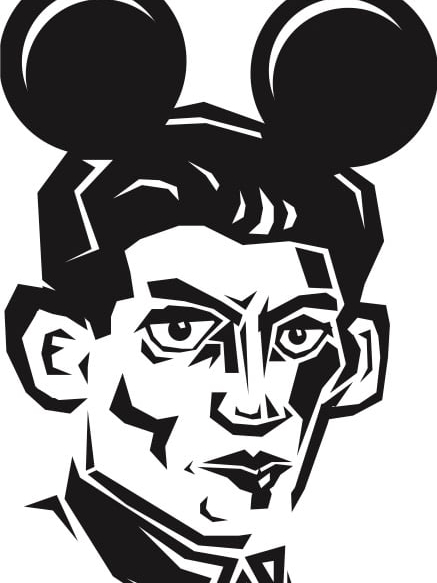
One of the more promising literary ventures at the time was Twisted Spoon Press, founded in 1992 by Howard Sidenberg, Kevin Blahut and Lukáš Tomin. The independent publisher specialized in neglected and experimental literature, much of it from Central and Eastern Europe, and frequently featured original artwork. Fedele (Fred) Spadafora, who had illustrated for Prognosis, contributed 18 pen-and-ink drawings to its 1996 English-language edition of Franz Kafka's Contemplation.
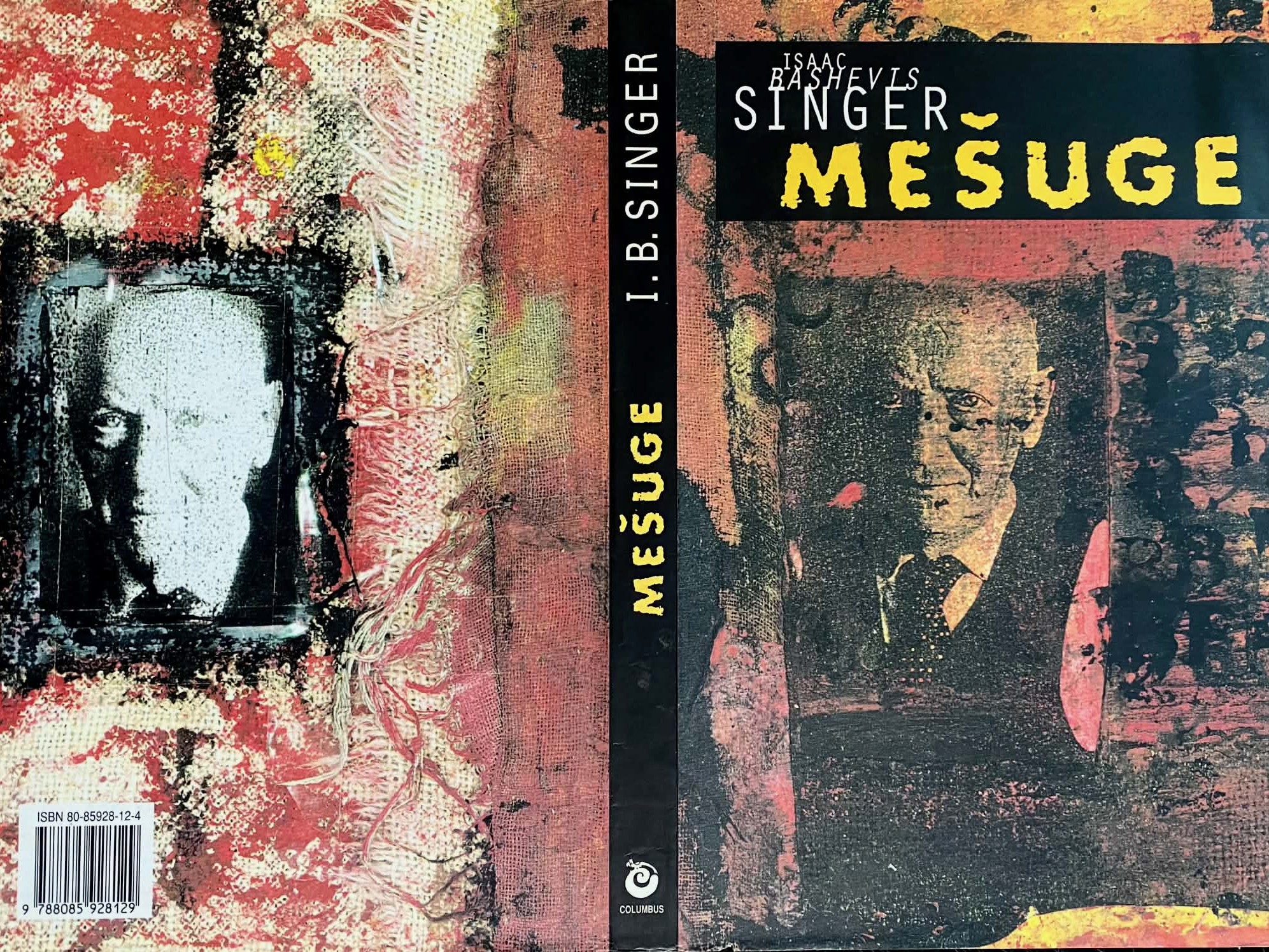
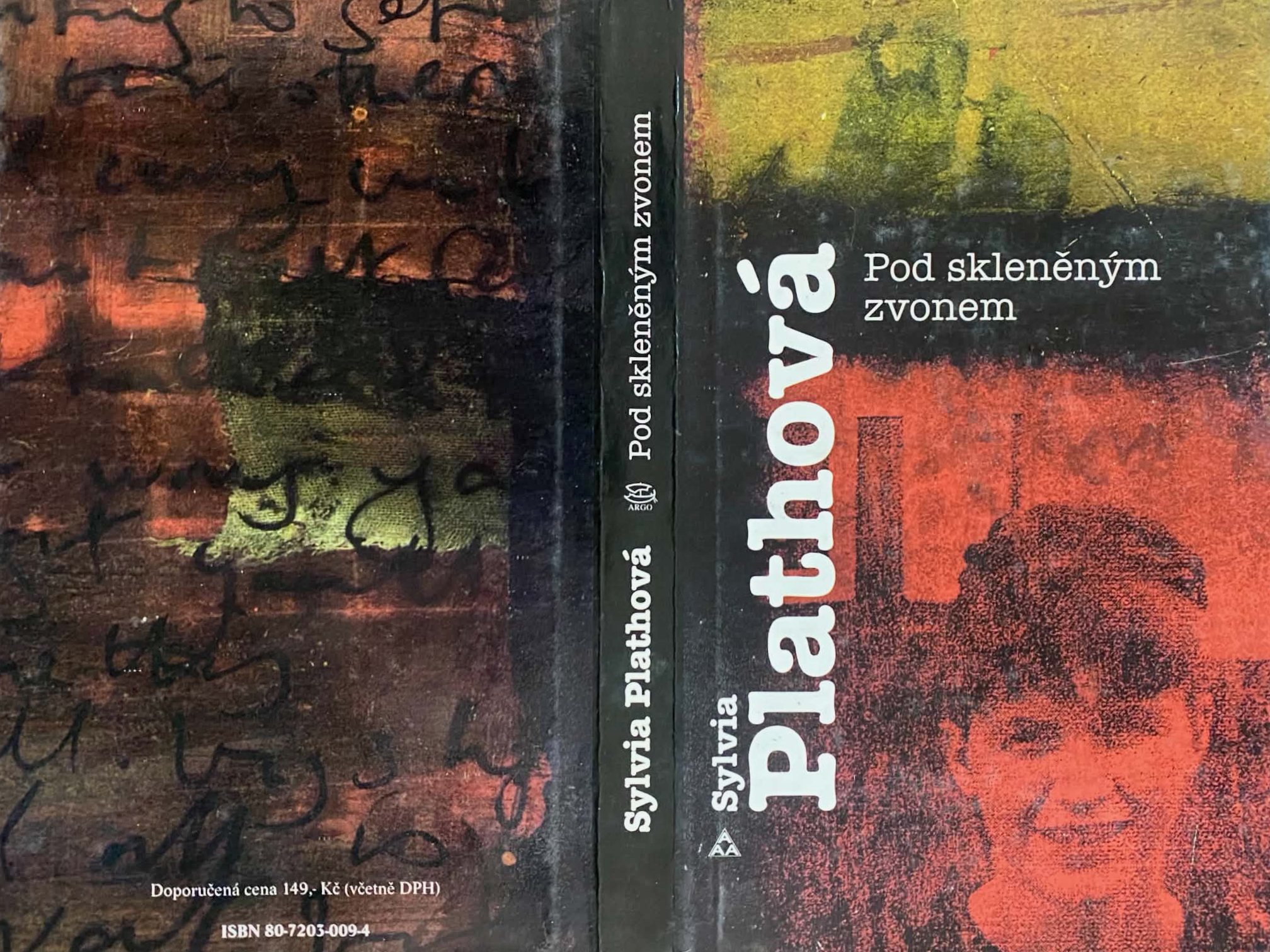
Karl Bielik also found opportunities in book publishing, designing covers for Czech editions of Sylvia Plath's The Bell Jar and Isaac Bashevis Singer's Meshugah in 1997. His magazine work had already demonstrated a flair for collage, photographic montage, and unexpected combinations of images and typography. Book covers offered another outlet for this distinctive style, this time for Czech-language readers rather than expats.
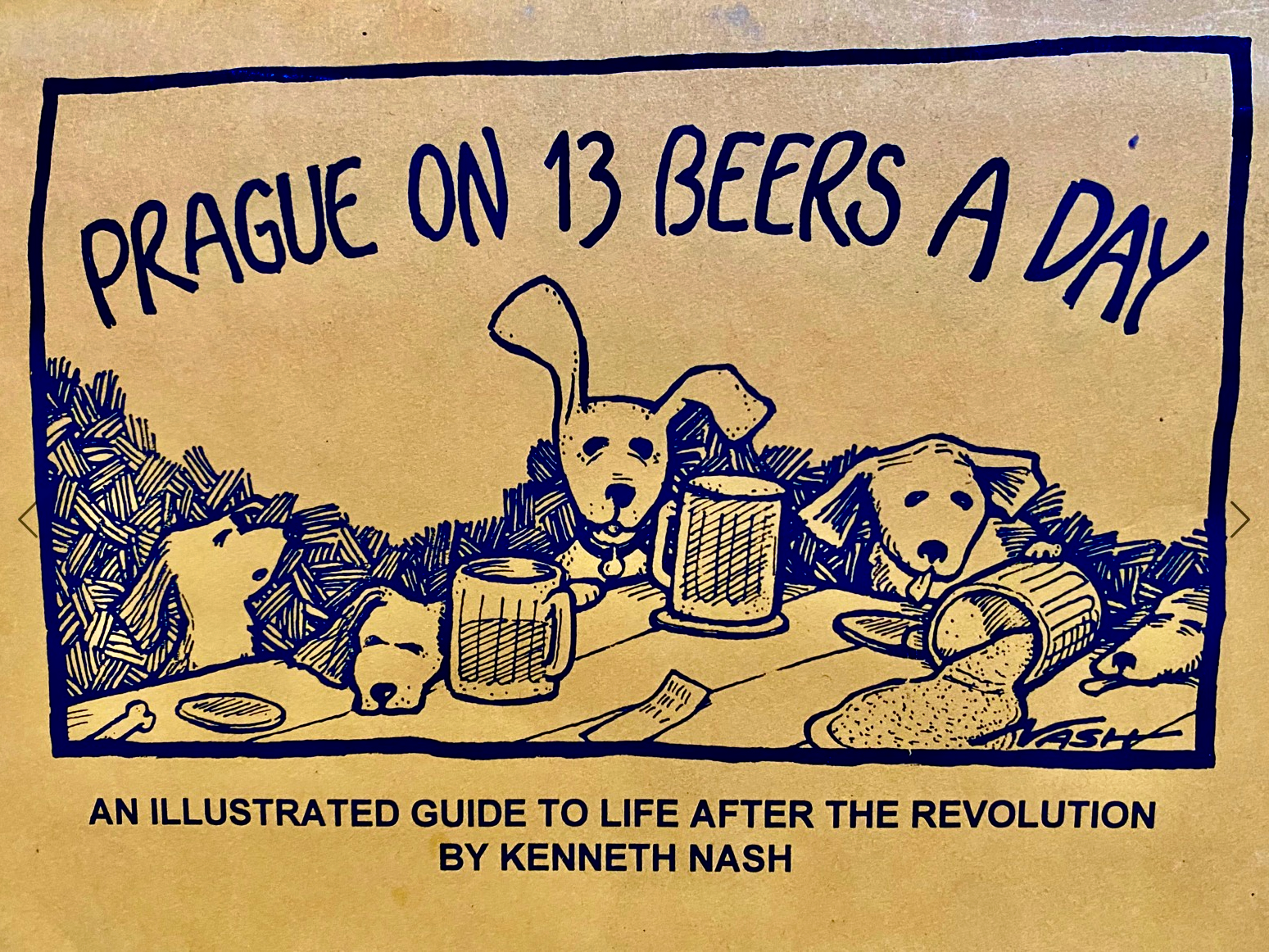
Ken Nash's drawings enjoyed a particularly long life beyond the era of the expats. His self-published 1993 booklet Prague on 13 Beers a Day brought together the comic panels on expatriate life he had drawn for The Prague Post and was sold at outlets around town. A decade later, he illustrated Myla Goldberg's Time's Magpie: A Walk in Prague (2004), a literary exploration of the city. I even used a couple of Ken's illustrations in my own book, Čas proměn (Time of Changes), in 2021, to convey that special '90s Prague atmosphere to readers who were too young to have experienced it for themselves.
The books gave these artists another chance to show Prague as they saw it. Their drawings could be funny, strange or irreverent, sometimes adding something to the written words the authors themselves might not have imagined. And unlike so much of the artwork that has now disappeared, these illustrations are still there, waiting to be rediscovered between the covers of a book.
(Next week, in Part 3, I'll wrap up this series on expat art with a closer look at the many foreign painters who were here, their exhibitions and their ties to the Czech art world.)
(Keep scrolling for more images.)
(Did you enjoy this story and want to add your own comments, or perhaps correct something I didn't get right? Write me at bakermark@fastmail.fm.)