Rebuilding a City After the War
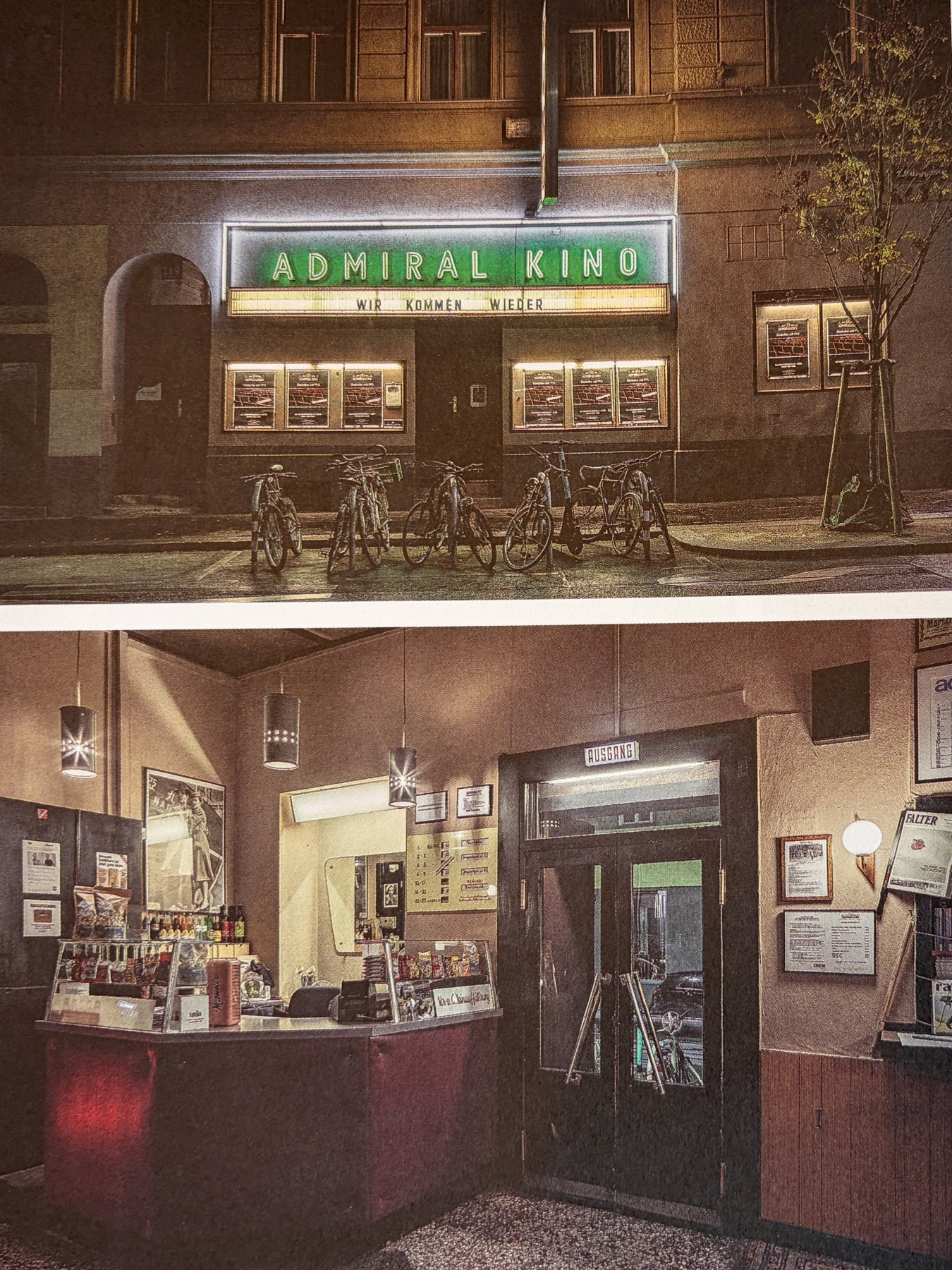
The Vienna that emerged from World War II was shaped by necessity. The city had been heavily damaged by Allied and Soviet bombing. The situation was more dire than most visitors today generally realize. Housing had to be rebuilt, infrastructure repaired, and confidence restored. (That immediate postwar atmosphere was captured beautifully in Orson Welles’s classic 1949 film The Third Man, which I was happy to see was still on nightly rotation at the city’s Burg Kino.)
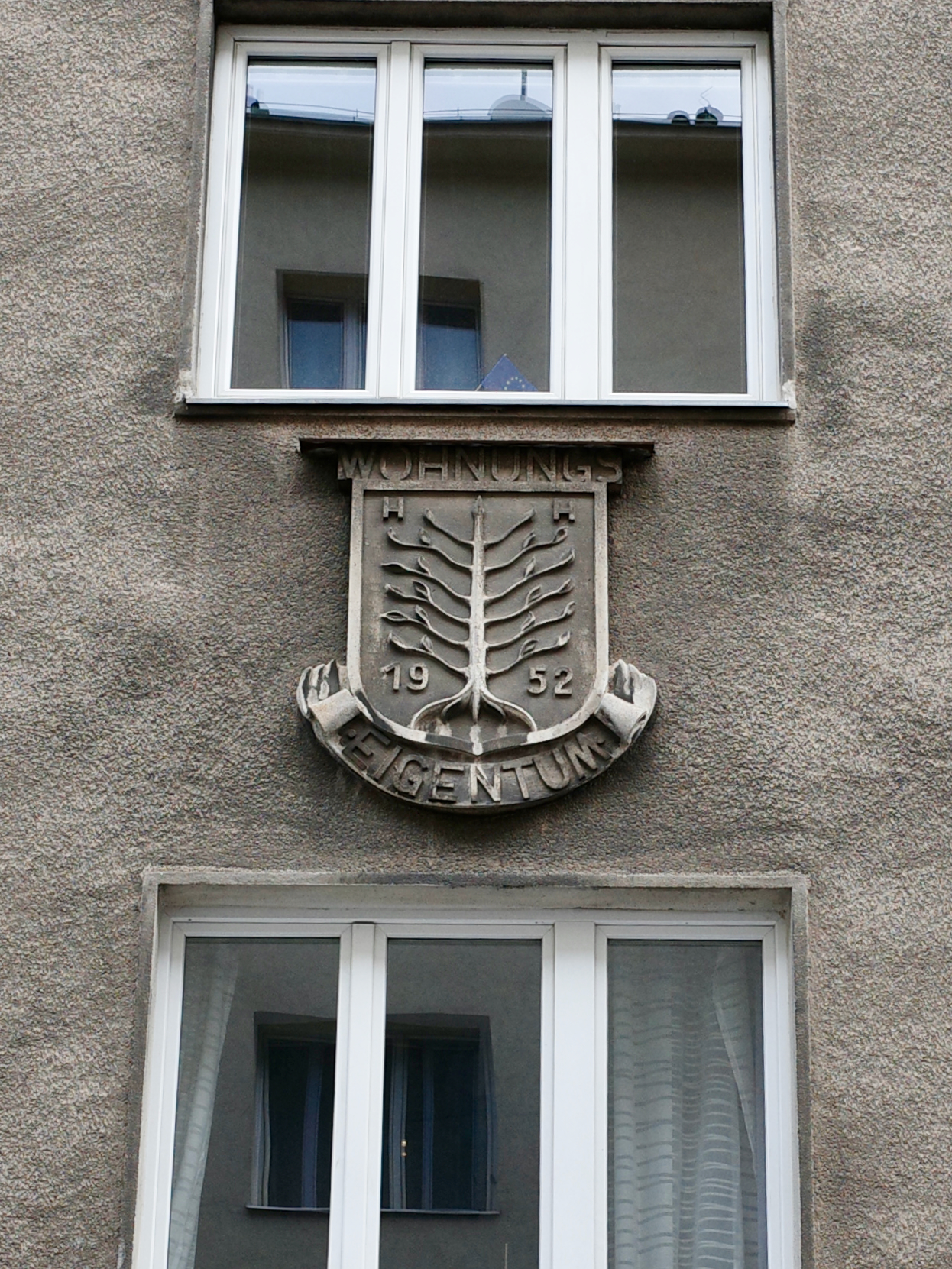
As I wandered through Vienna, I found myself drawn first to the city’s postwar housing estates, perhaps the sturdiest repositories of postwar memory. Some of the earliest examples felt surprisingly familiar after decades of living in Prague.
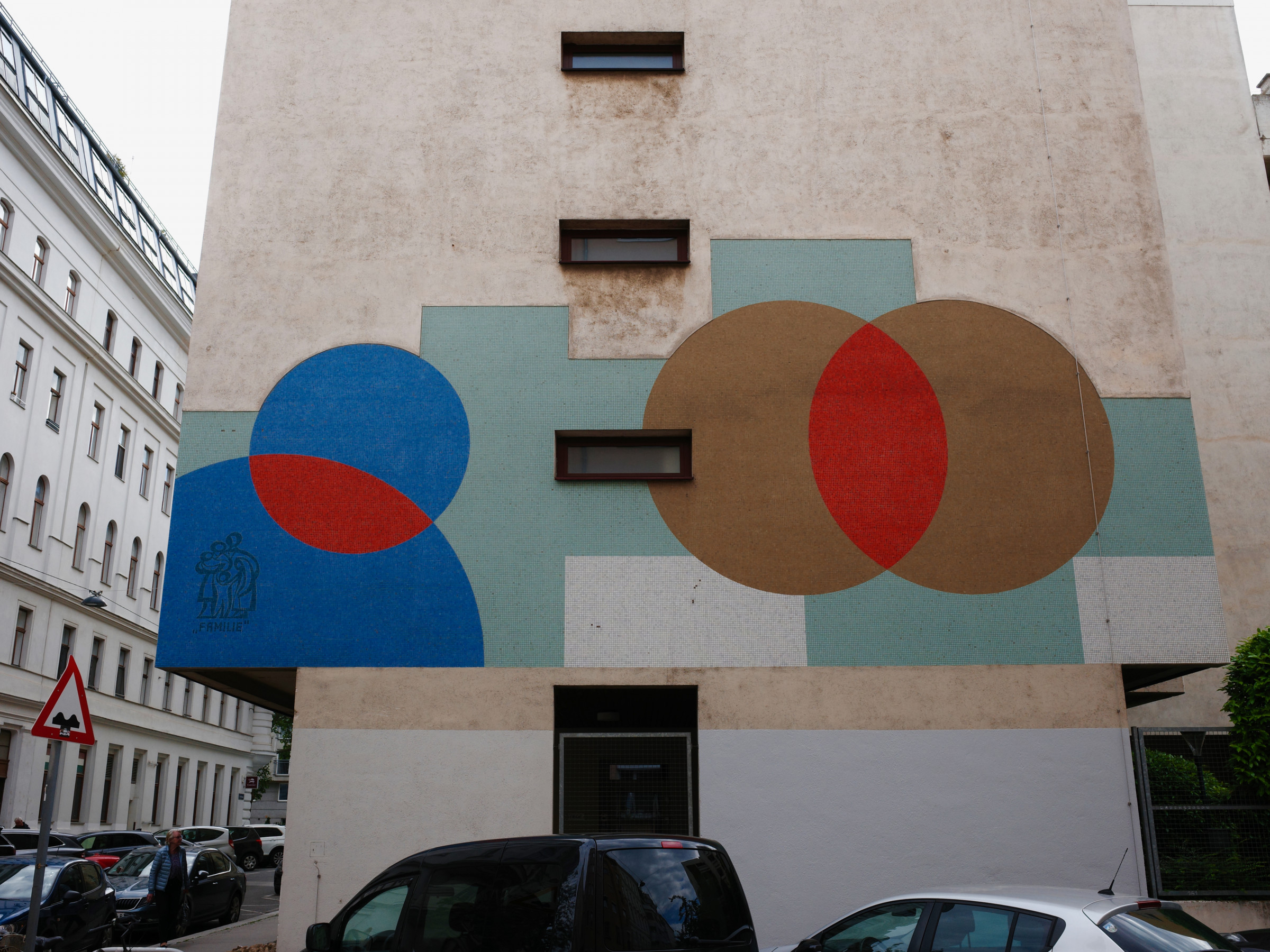
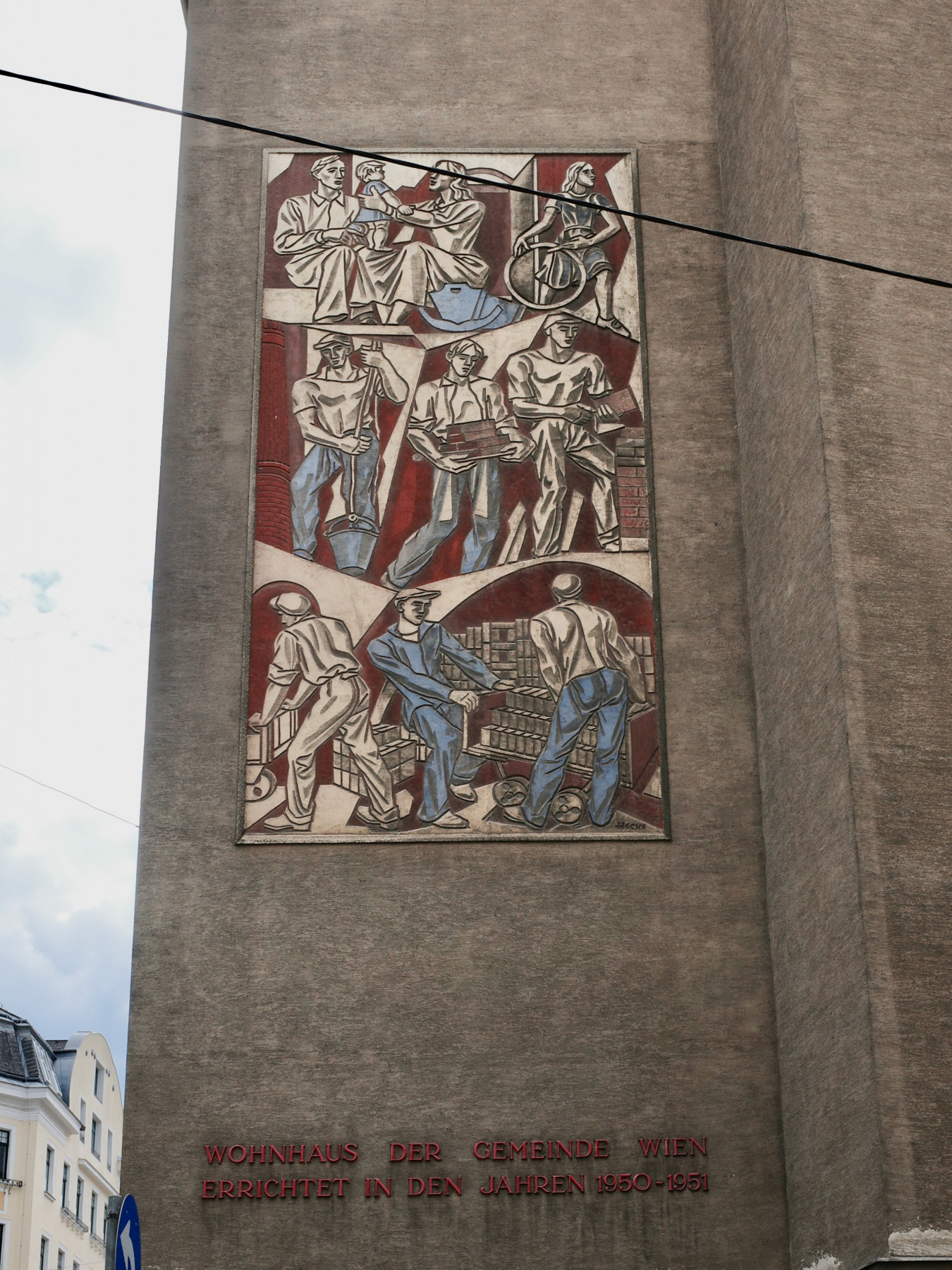
I immediately recognized the echoes of Socialist Realist architecture that appeared throughout Central and Eastern Europe during the 1950s. I recalled the rows of sturdy gray buildings festooned with somber mosaics, murals, and relief sculptures celebrating the twin ideological virtues of work and family.
The housing blocks and murals were reminders that, for a decade after the war, until 1955, Vienna -- like Berlin-- was divided into four occupation zones and partly occupied by the Soviet Union. In the 1980s I worked in an office in Vienna’s 3rd district, which had once been part of the Soviet sector. Even in the 1980s, walking its streets sometimes felt not unlike parts of Prague or Bratislava.
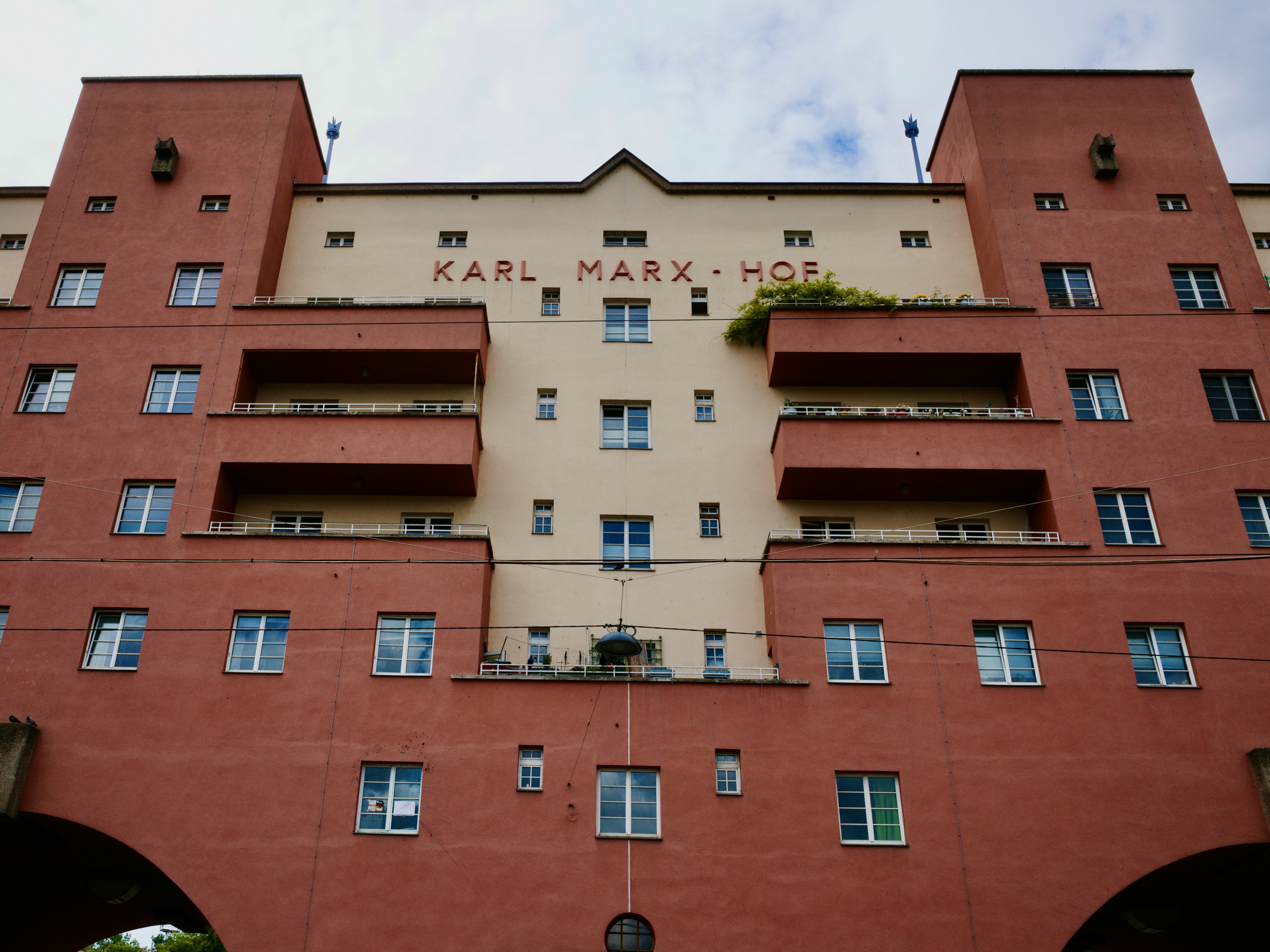
Of course, Vienna had long flirted with its own brand of worker-driven socialism. I’ve included a photo of the famous Karl-Marx-Hof housing project from the 1920s, which doesn’t technically belong to the postwar period. My Fodor’s assignment happened to take me to Heiligenstadt, where the estate is located. As I stood gawking at this immense row of buildings stretching for four blocks, I realized that I had somehow never visited it during the years I lived in the city.
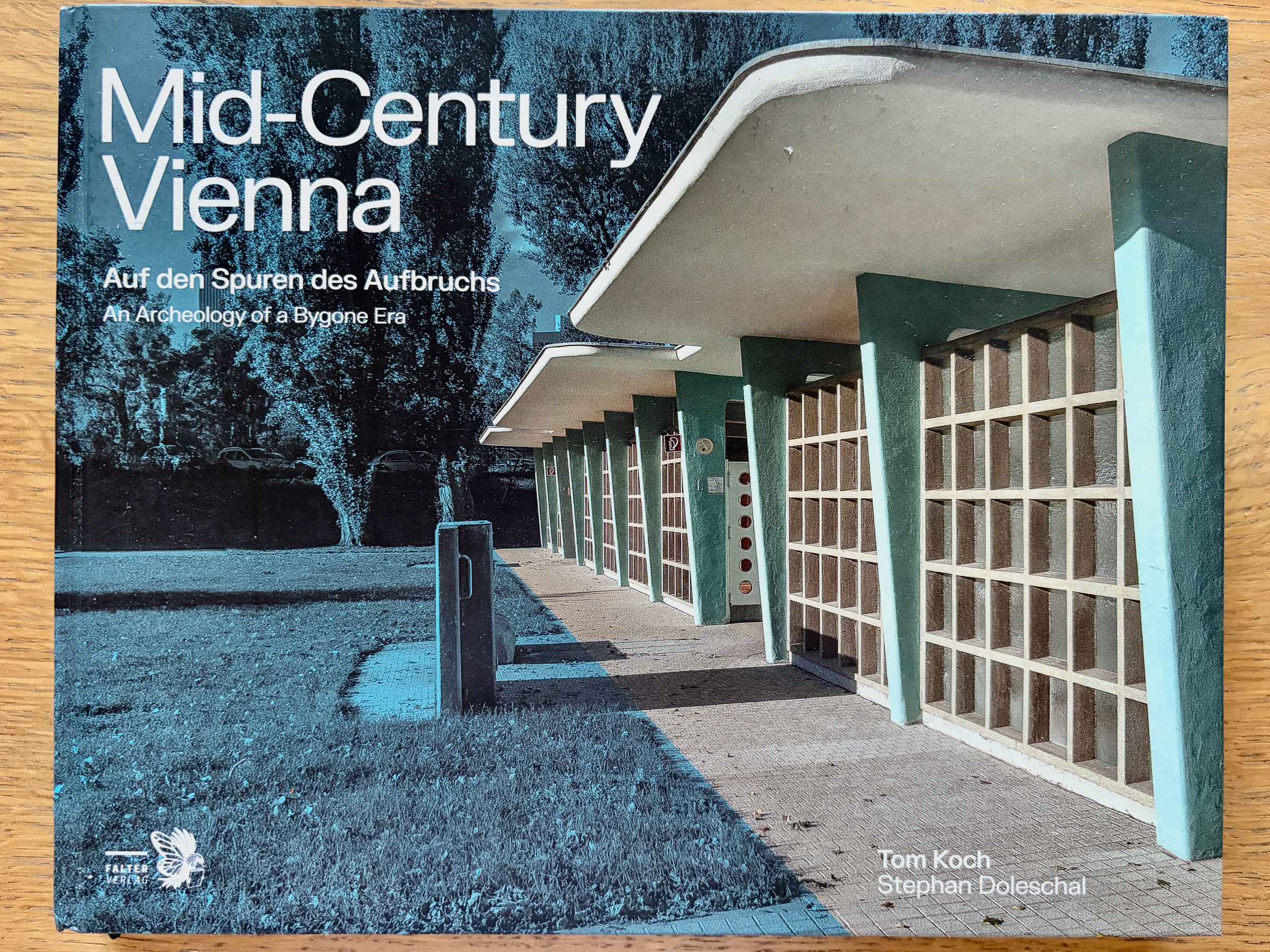
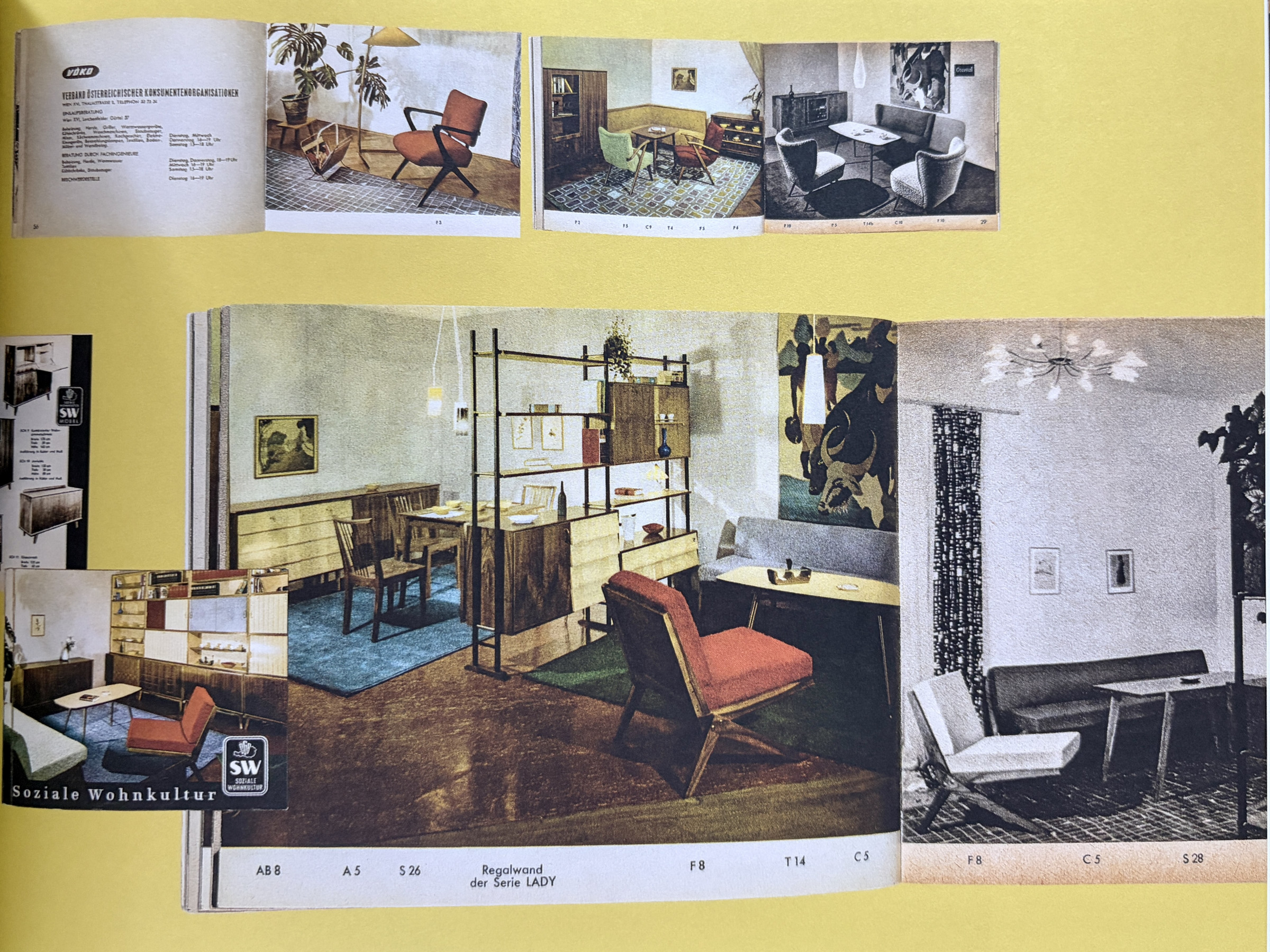
The housing estates appeared to be in generally good condition during this most recent trip. As an added bonus, the many photos in the "Mid-Century Vienna" book had given me some sense of how people might have furnished these apartments in the 1950s and 1960s. Many of these estates have now taken on new roles in the modern city, housing recent immigrants and newcomers arriving from distressed regions of the Middle East and elsewhere.

The Future Arrives
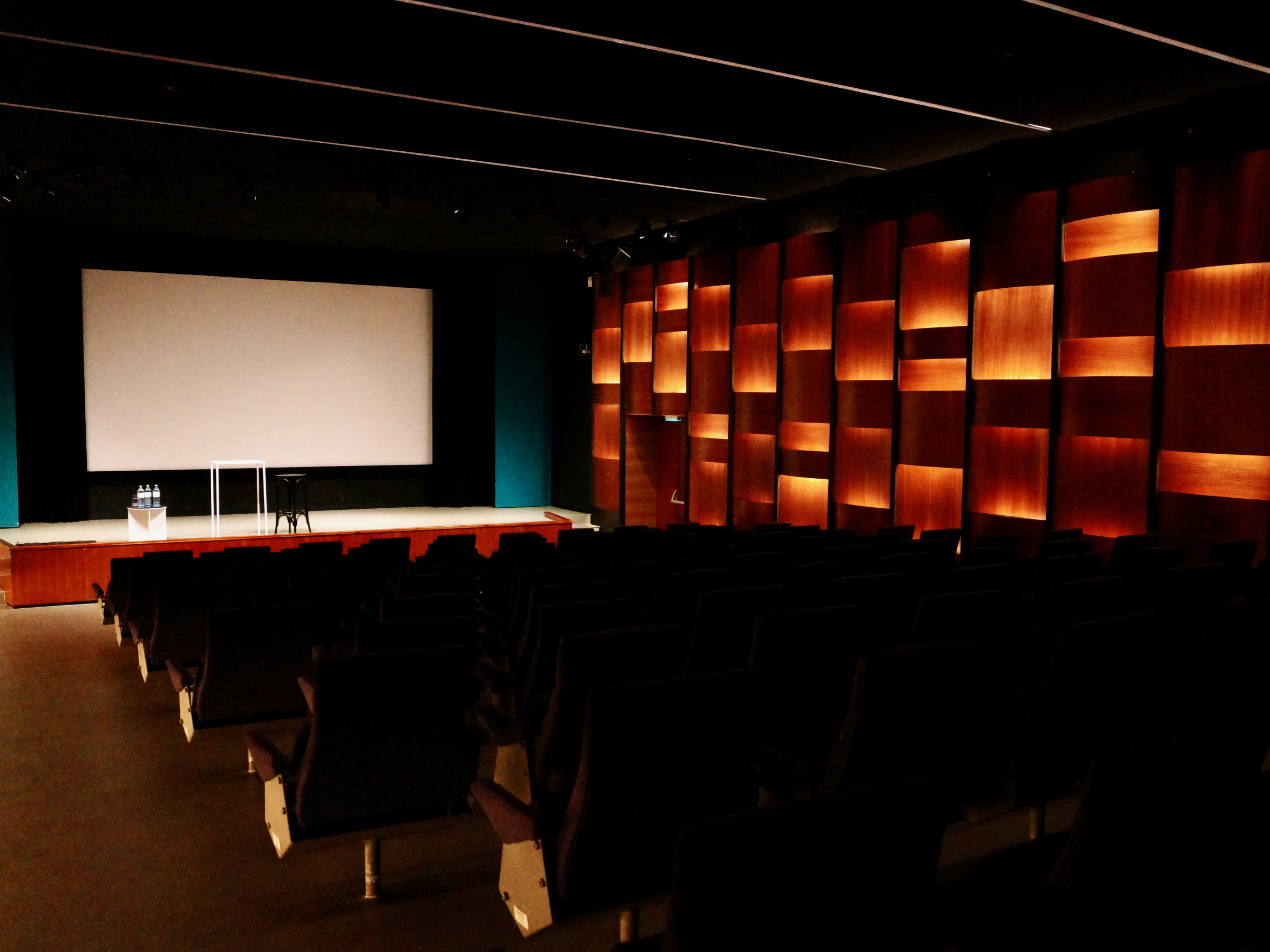
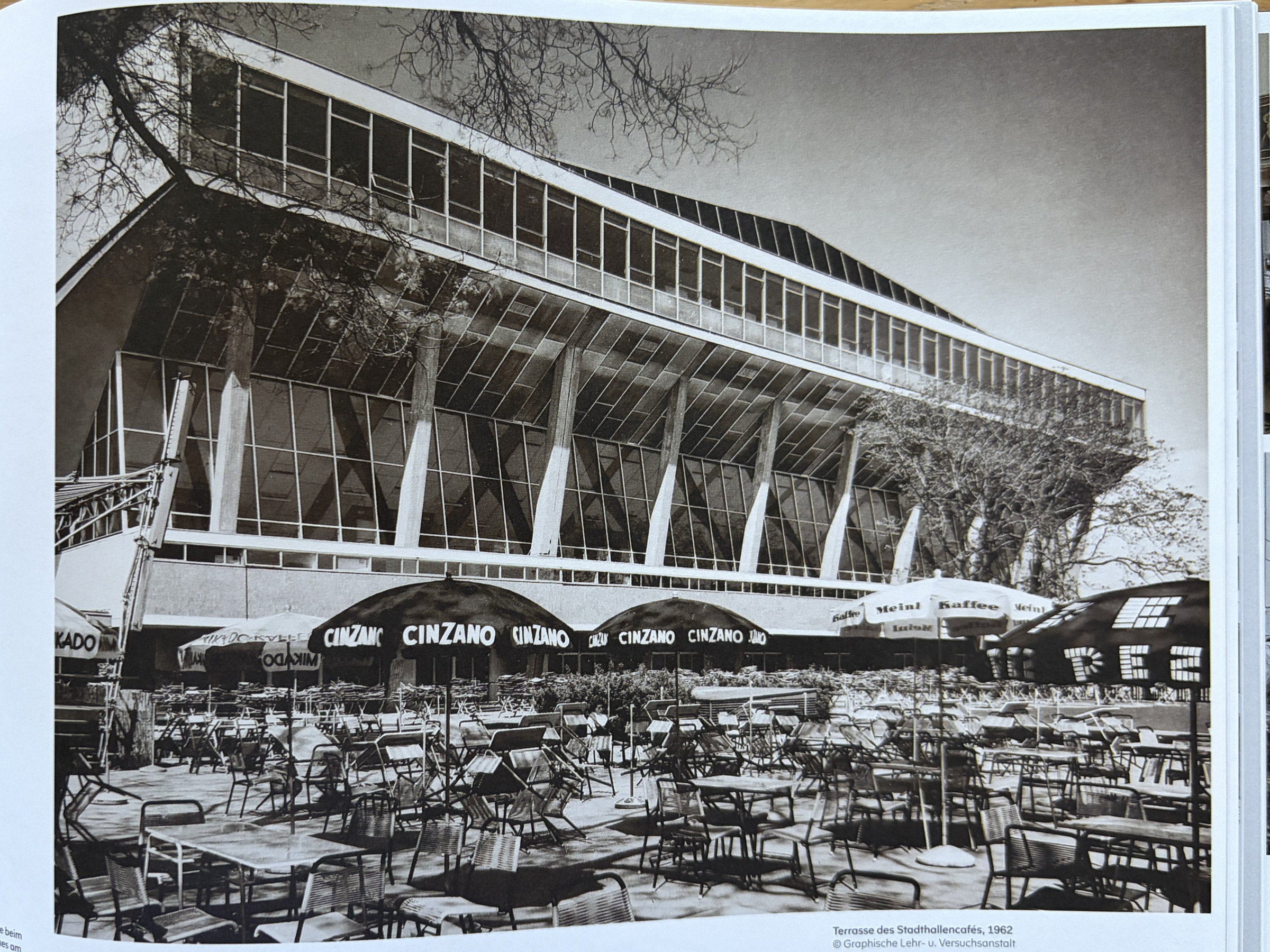
As reconstruction slowly gave way to prosperity, the architecture began to change. The heavy forms of the early postwar years gradually yielded to something lighter, more optimistic and considerably more stylish. Straight lines softened into curves. Public interiors became brighter. Decorative elements embraced something more playful.
Much of this transformation either anticipated or was influenced by Expo ’58 in Brussels, whose futuristic design language swept across Europe and had a profound effect on aesthetics on both sides of the Iron Curtain. Architects and planners embraced its faith in technology, movement and modern living. Despite belonging strictly to neither side of the curtain, Vienna absorbed these influences enthusiastically.
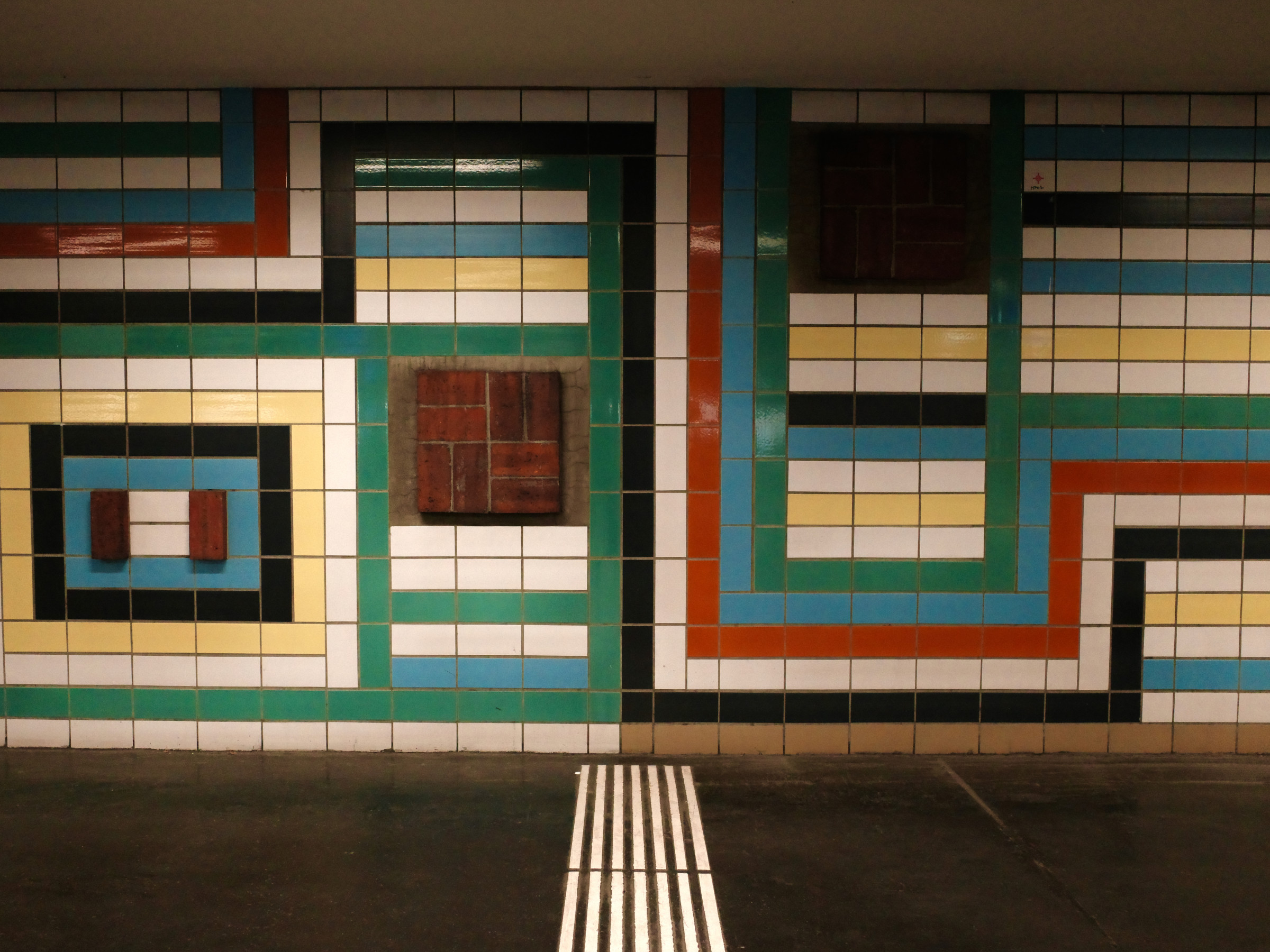
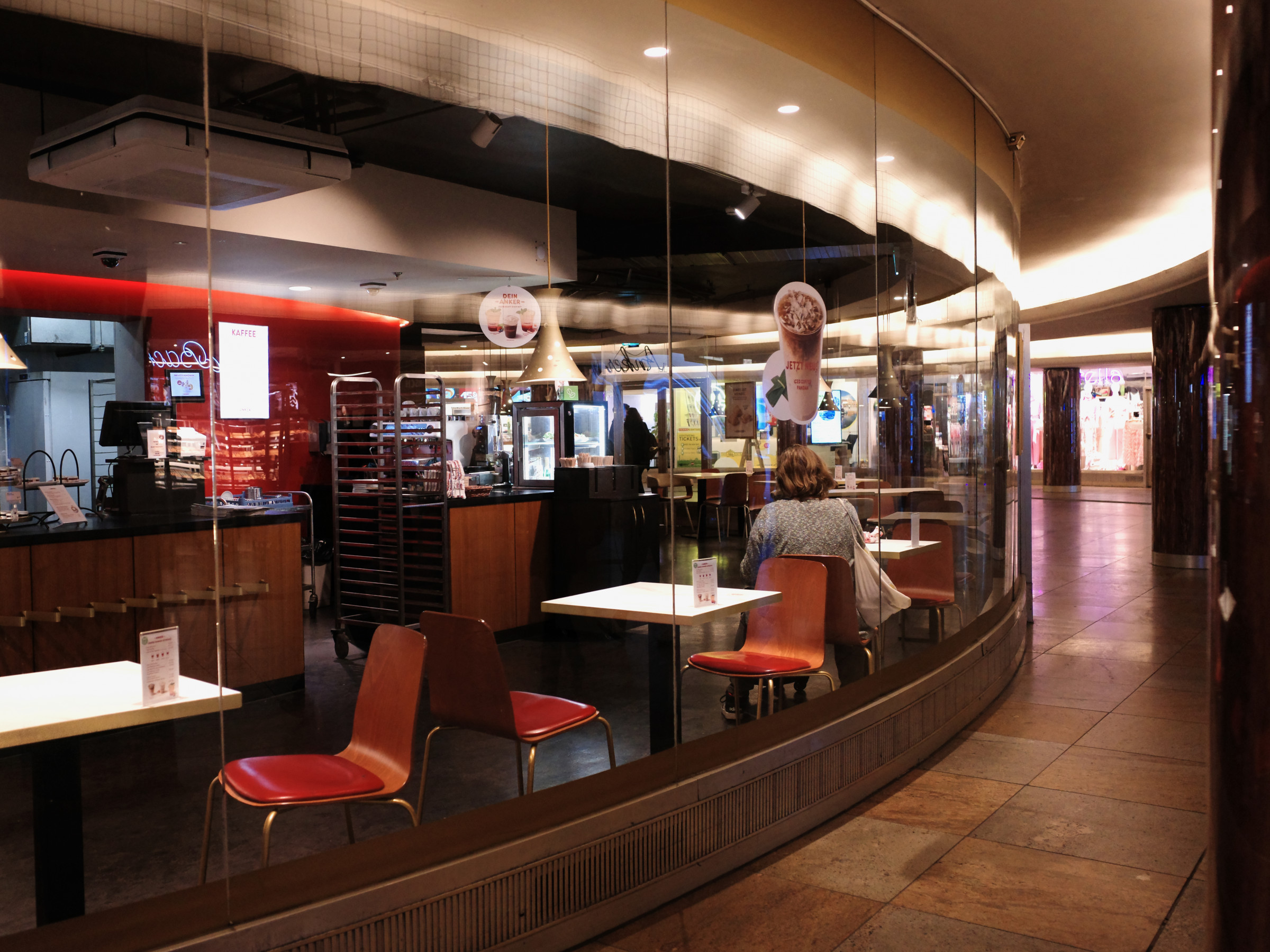
When I lived in Vienna in the 1980s, I always admired the public works projects from this era, many of them championed under two influential mayors, Franz Jonas (1951–1965) and Bruno Marek (1965–1970). My favorite was the Opernpassage, a retro-futuristic pedestrian underpass from the mid-'50s that begins beneath the Ringstrasse in front of the Vienna State Opera and runs toward Karlsplatz. With its curved shop windows, rounded columns and sleek lines, the passage remains one of the city’s most distinctive landmarks of postwar modernism.
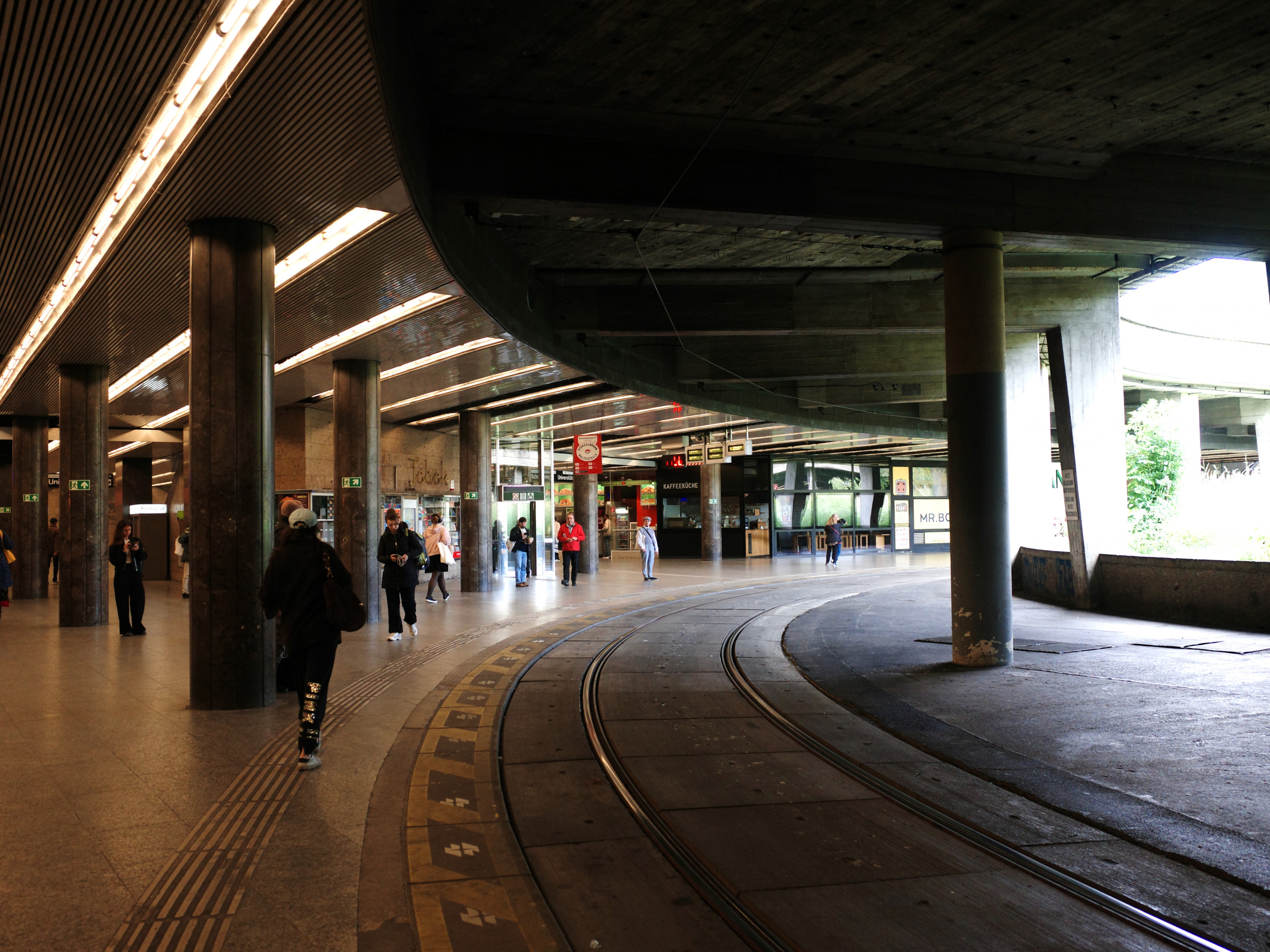
Another favorite was the similarly styled Schottenpassage, beneath Schottentor, which arrived a few years later. This underground tram loop integrated public transportation with stylish cafés and shopping areas. It shares many of the Opernpassage’s whimsical elements, including tiled walls and curving spaces that seem conceived for a future that never quite arrived.
Both passages formed part of my daily commute at various times when I lived in the city, and back then I was always struck by the implied civility of everyday residents seated primly in these diner-style Anker-Brot cafés, eating a bread roll and nursing a Kleiner Brauner. Their very existence seemed to capture a 1960s-era belief that infrastructure could be elegant, modern and humane.
Both are still standing and functioning as planned, though, as the older shops have closed and newer shops opened, looking more functional and less aesthetically cohesive. Both, though, still feel profoundly Viennese.
The Details That Survived
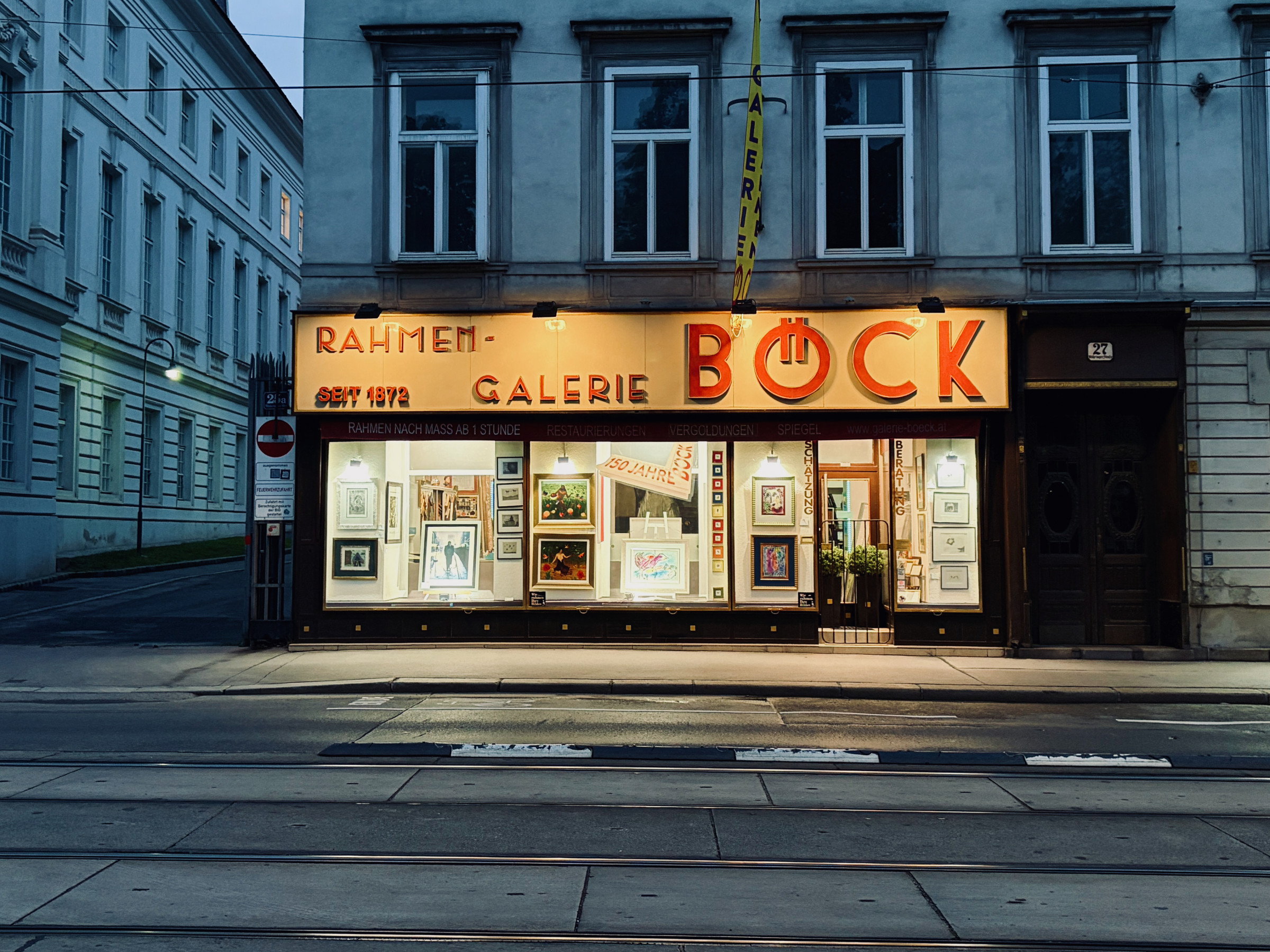
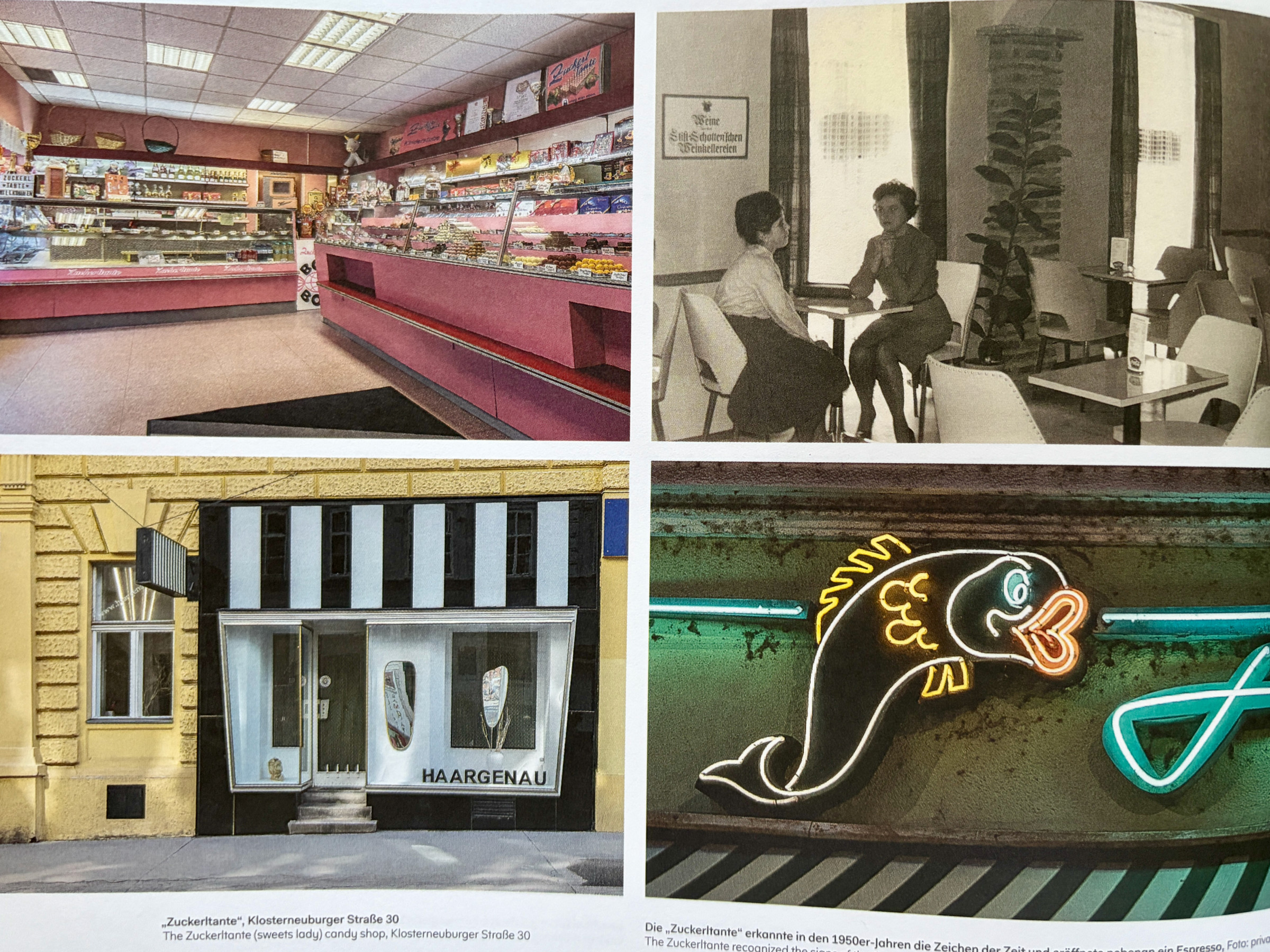
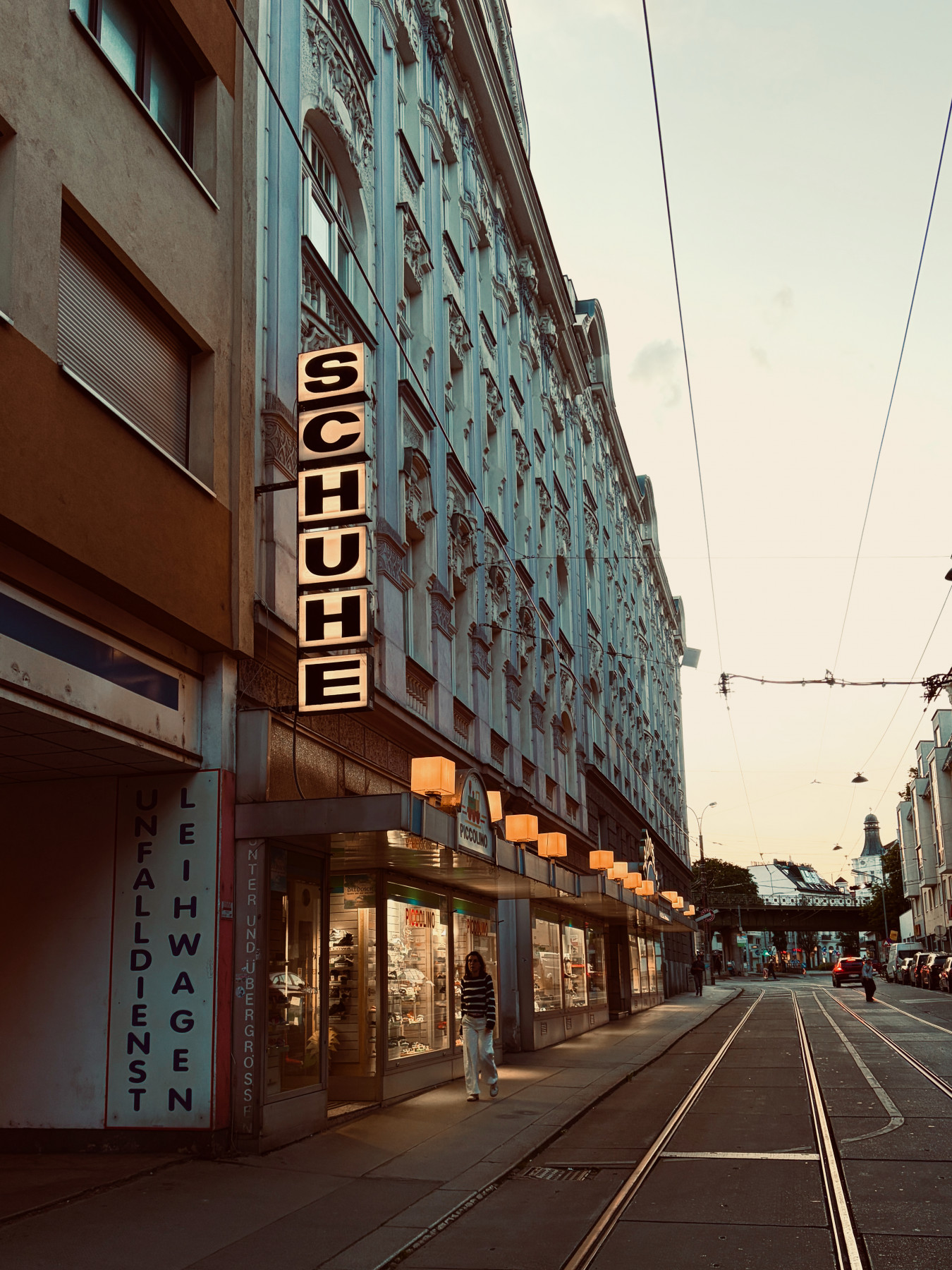
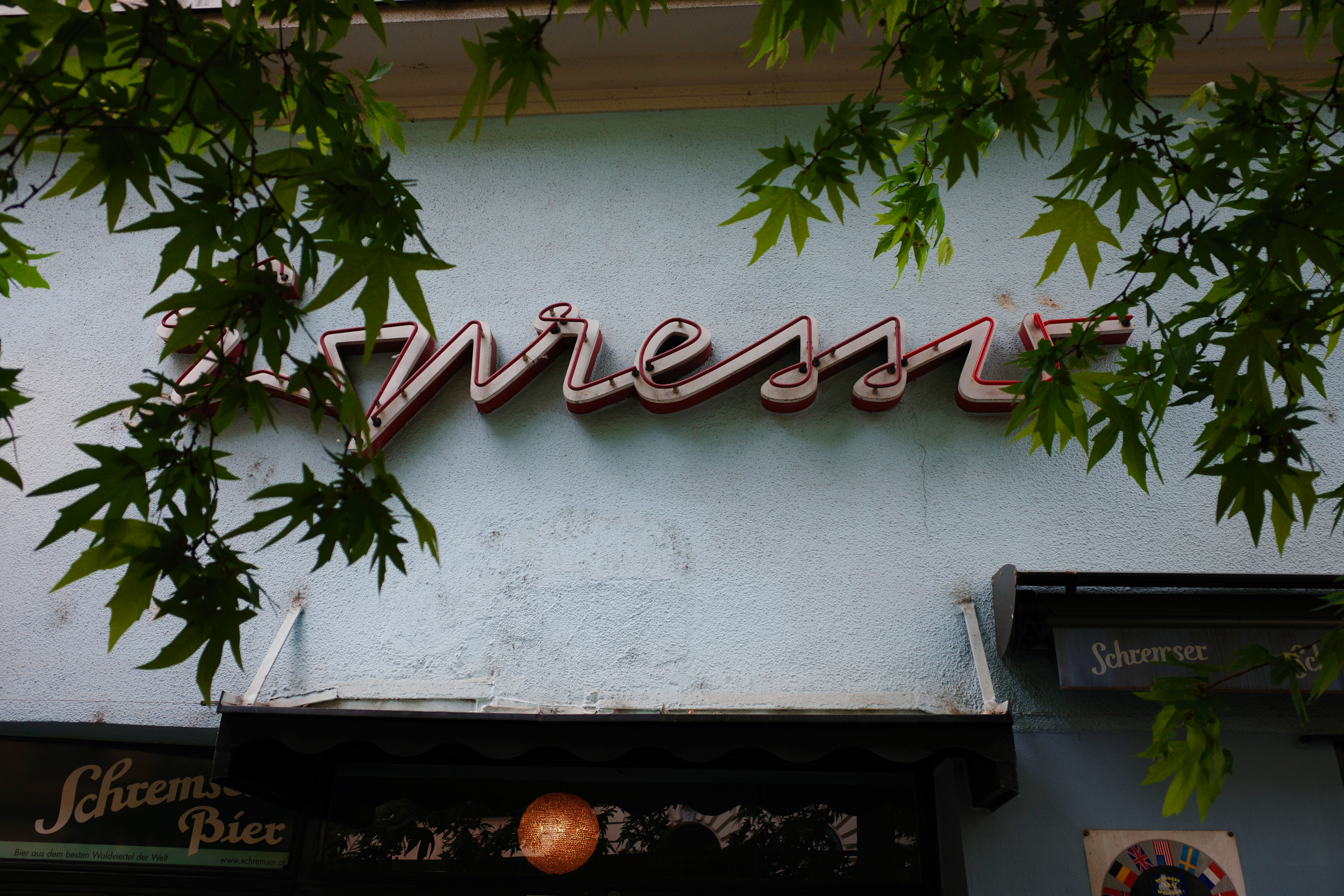
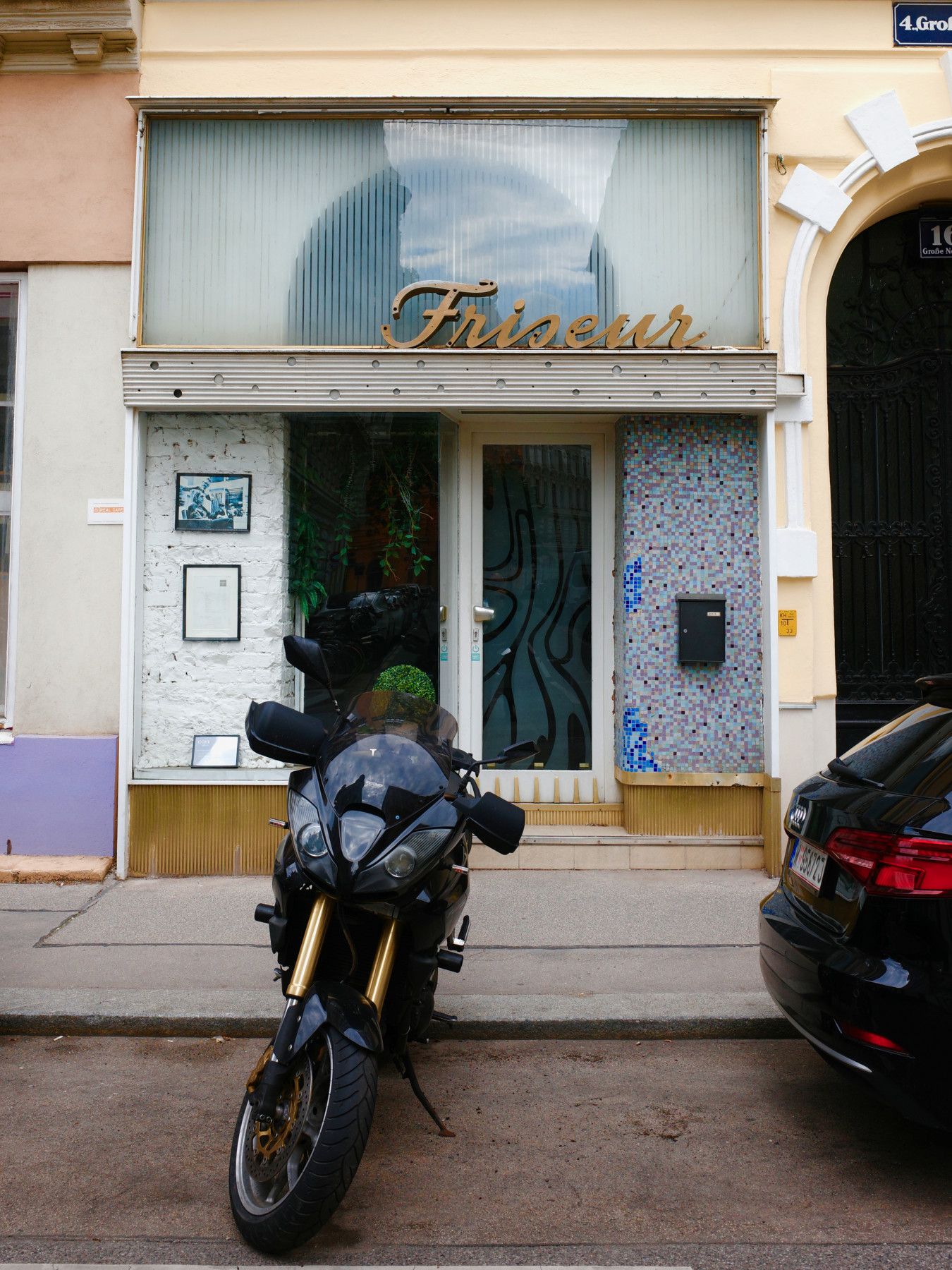
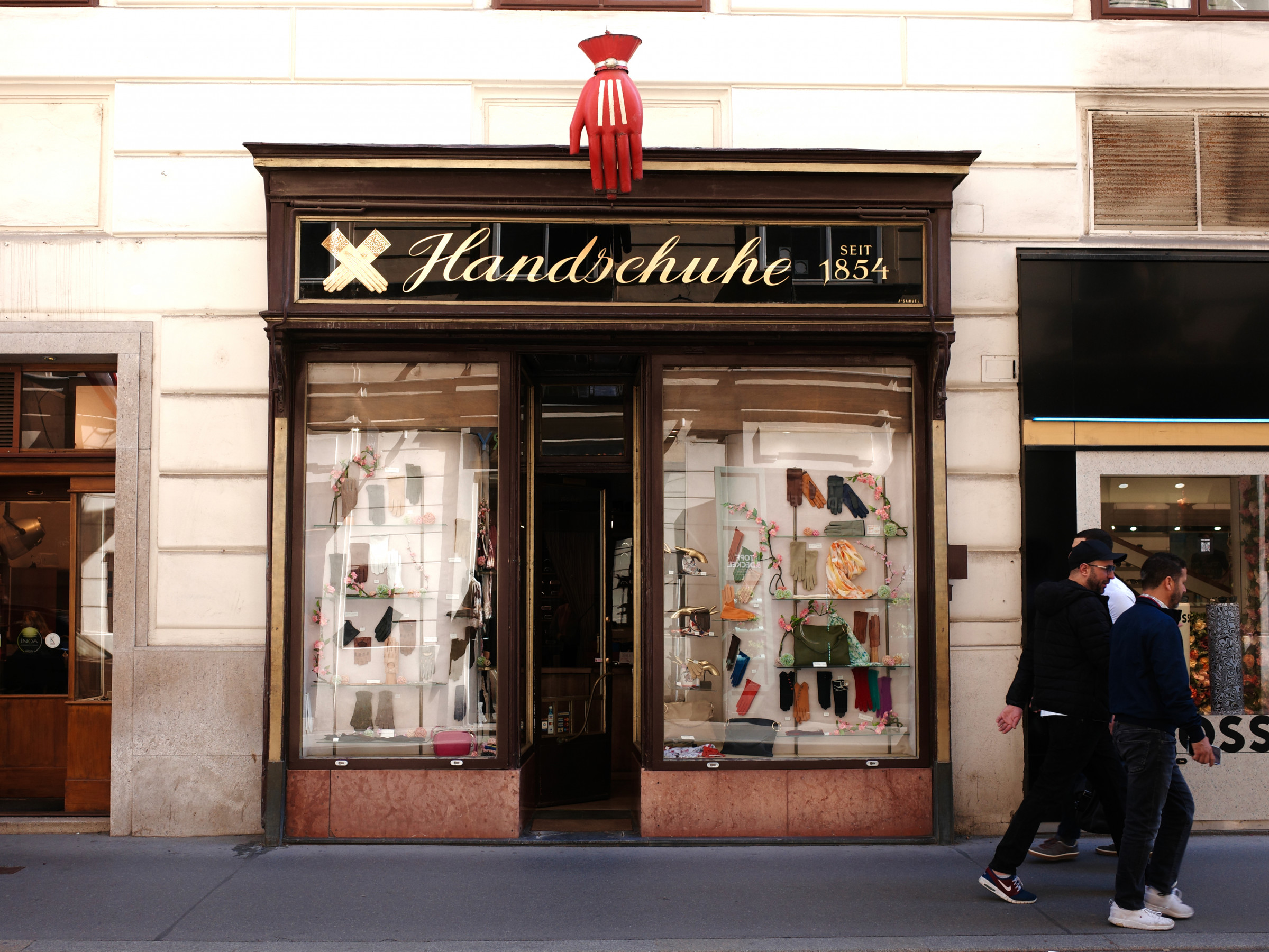
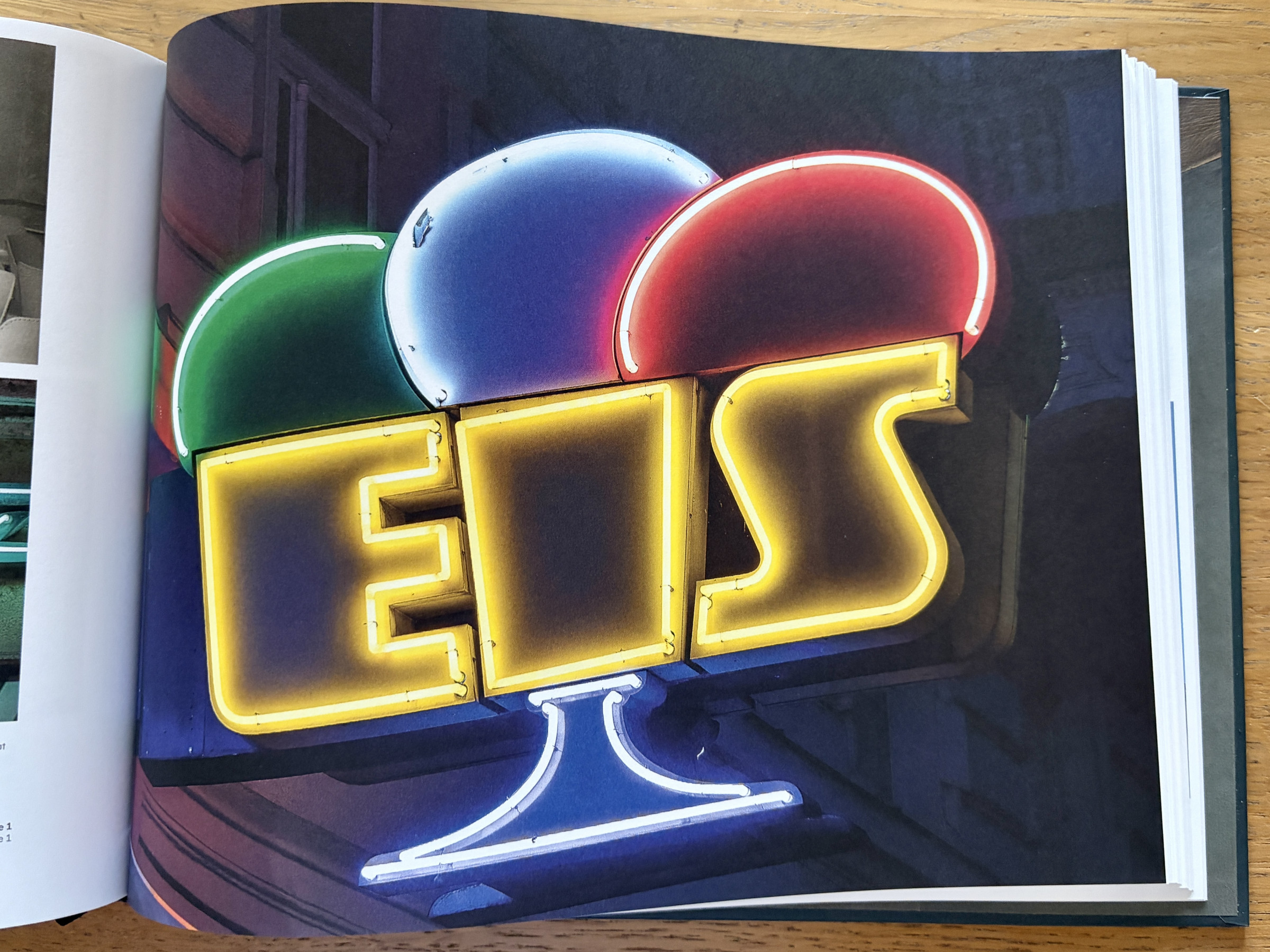
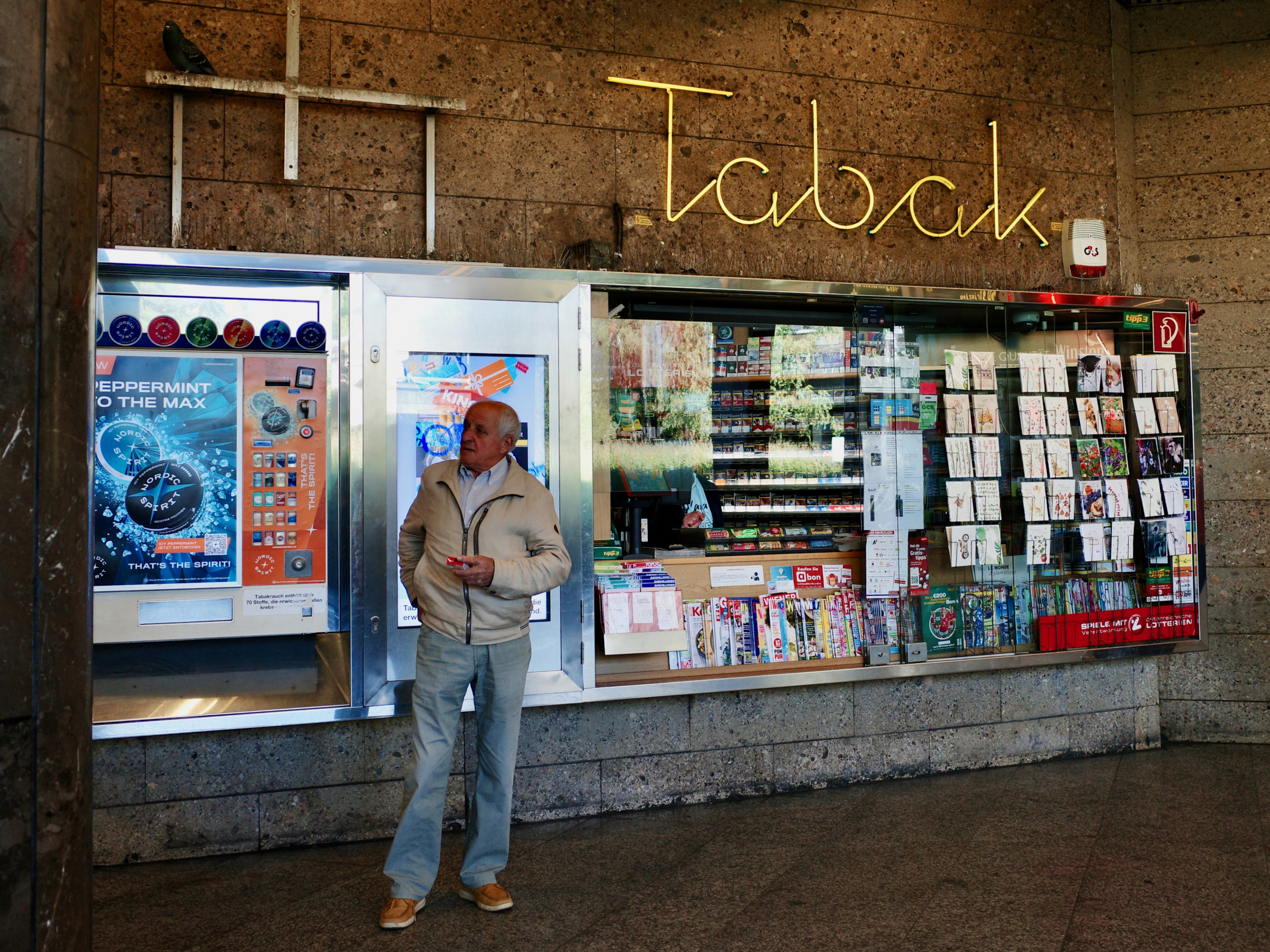
The most rewarding discoveries were often the smallest. Some of my favorite moments on this most recent trip came when I rounded a corner and encountered something unexpected: a neon sign glowing above a quiet street, a preserved shopfront, a forgotten mosaic tucked away in a courtyard. Time and again, I found myself stopping and reaching for the camera.
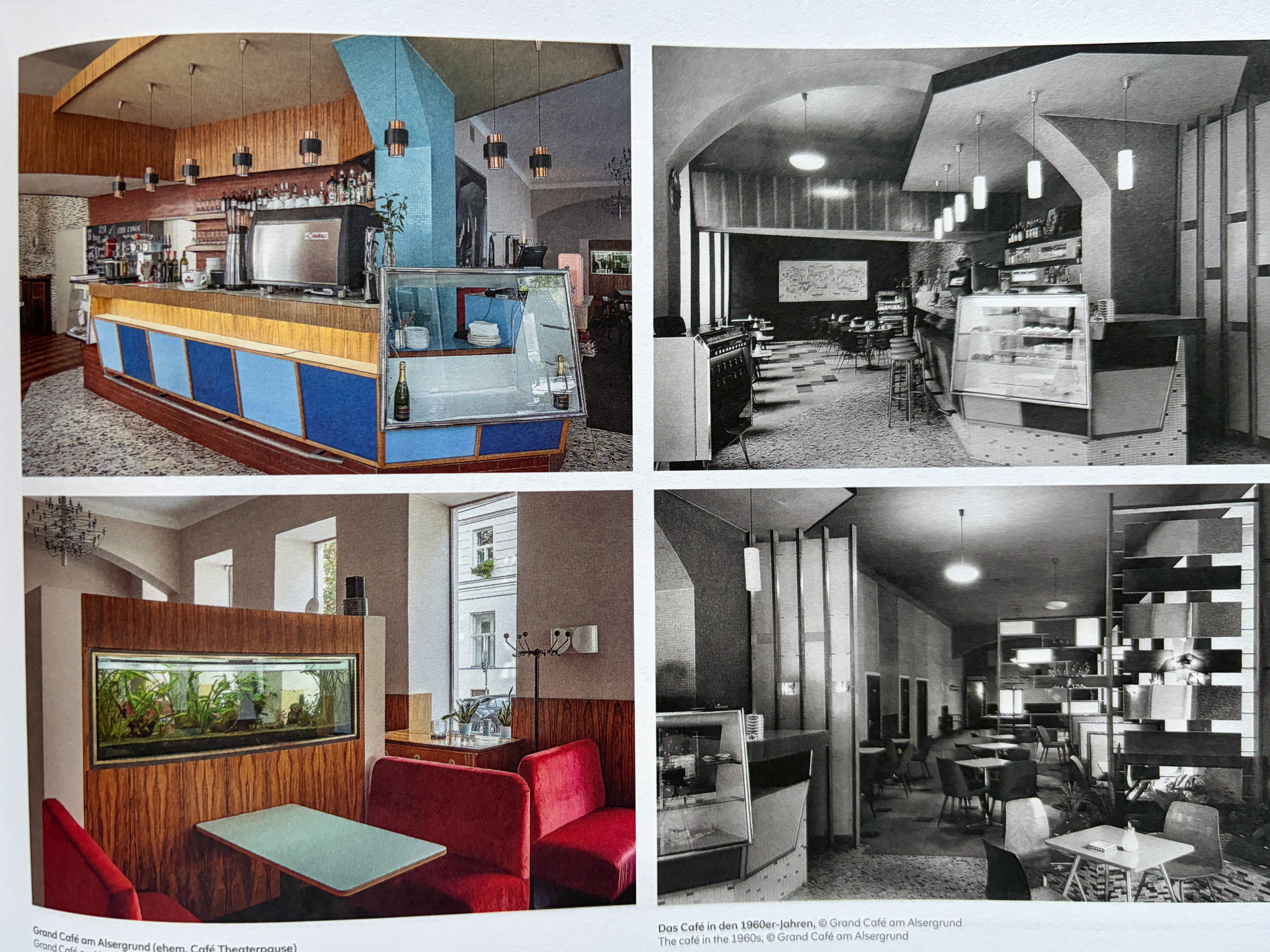
Unlike architecture, commercial design tends to disappear more quickly. Businesses close. Signs are replaced. Interiors are modernized. Despite this natural erosion, Vienna has retained an encouraging number of everyday artifacts from its postwar decades.
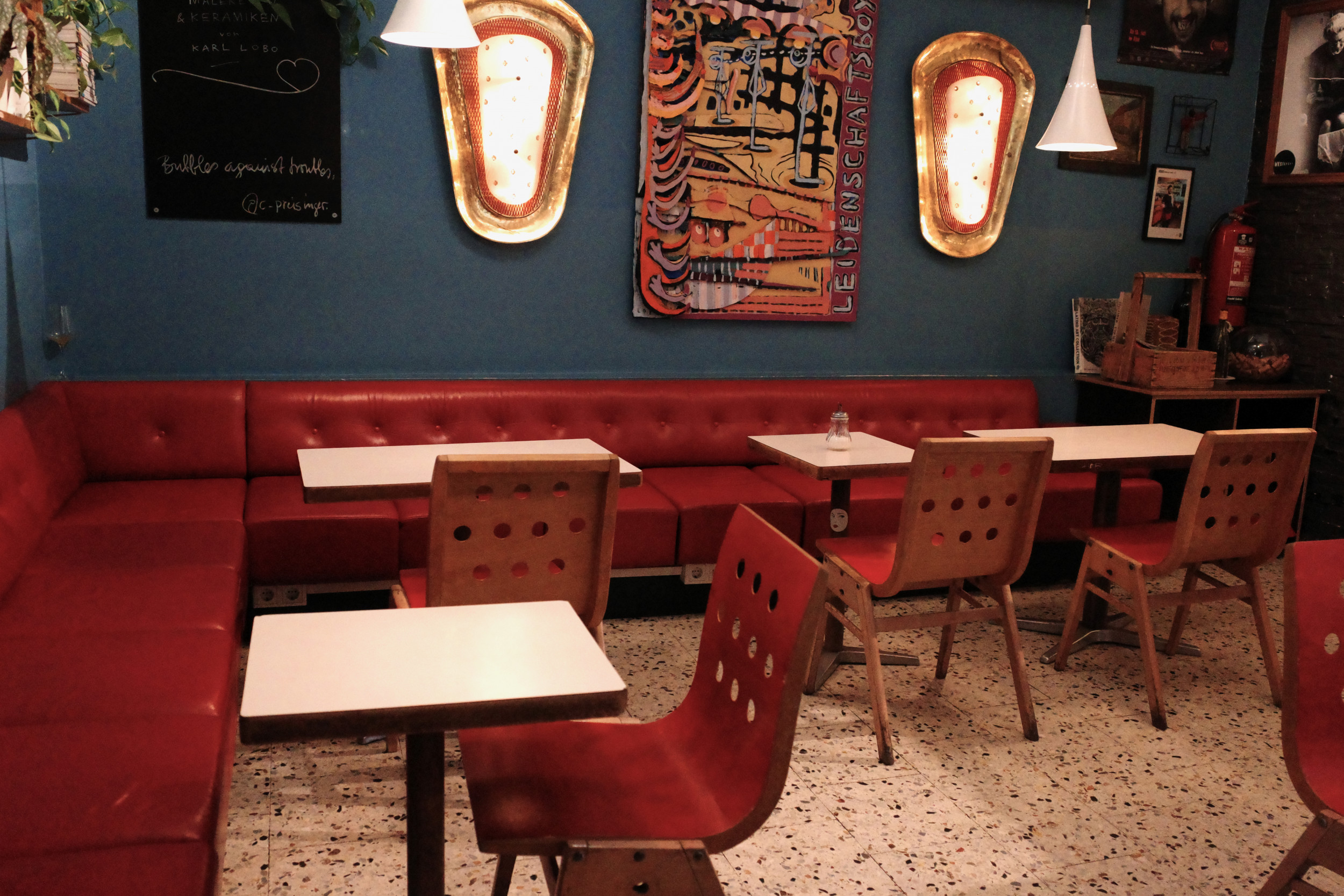
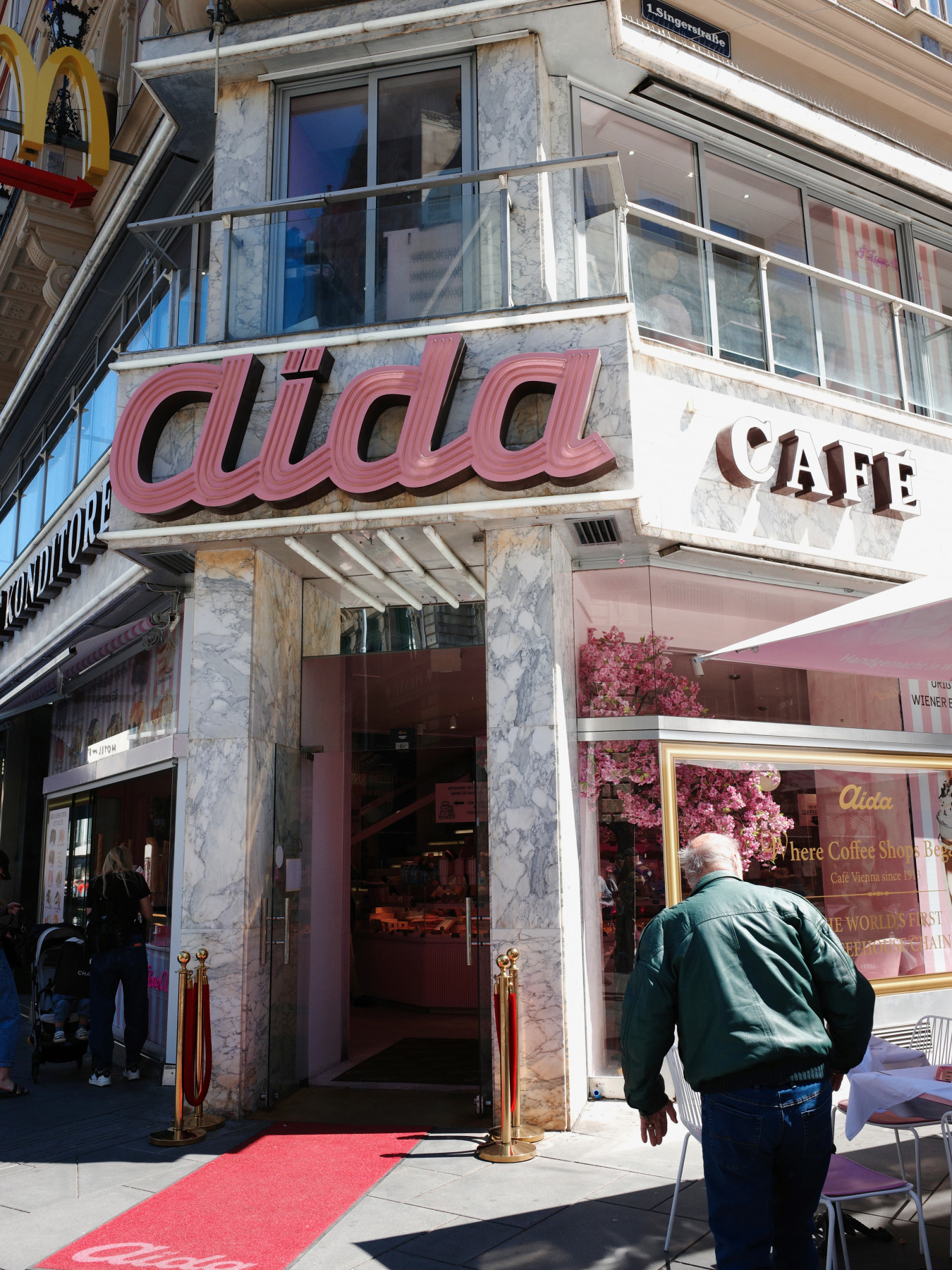
One good example is the Aida Cafe-Konditerei, whether at its flagship Stephansplatz location or one of its branches around the city. Its playful pink lettering, polished surfaces and gentle curves still evoke the optimism of another era.
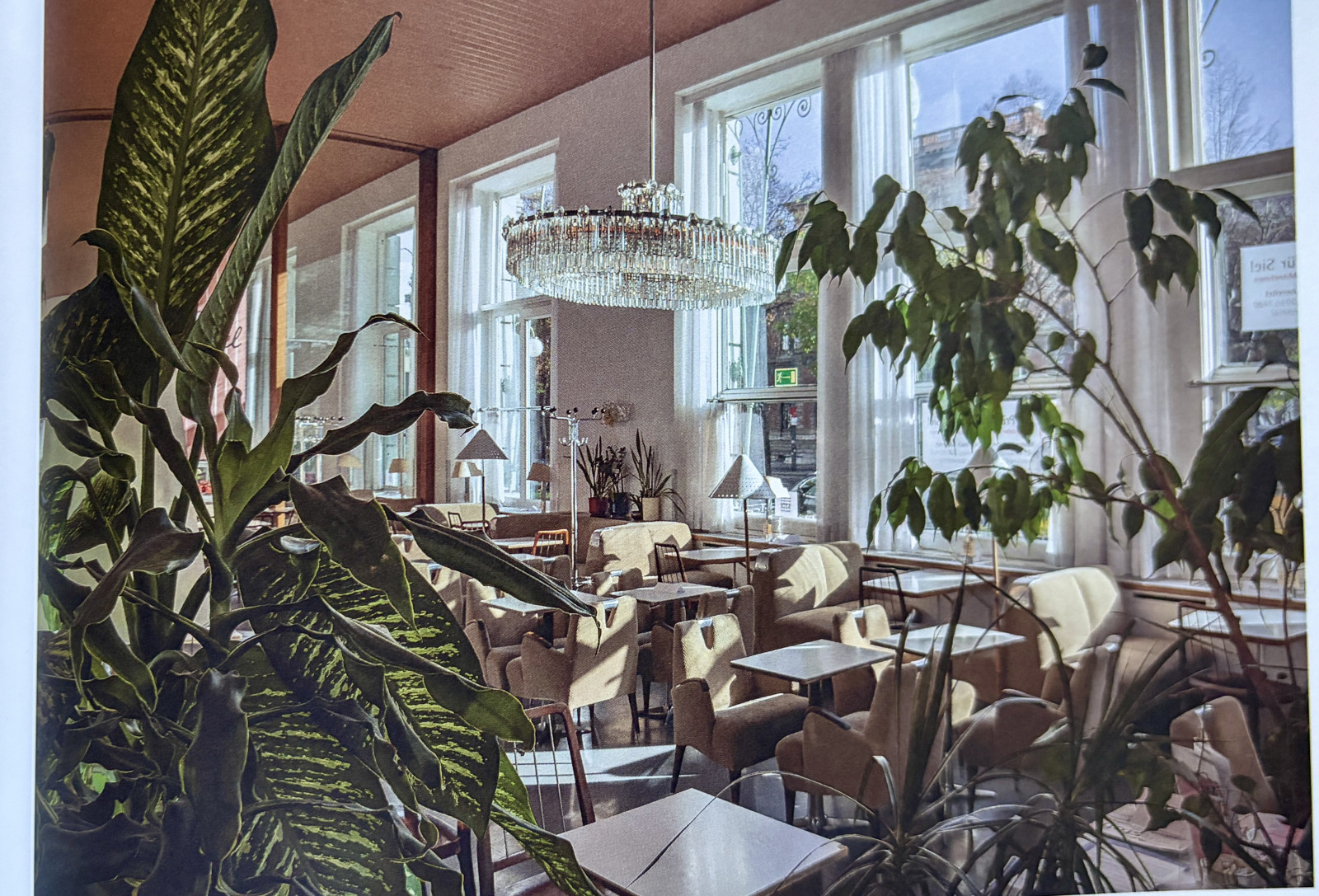
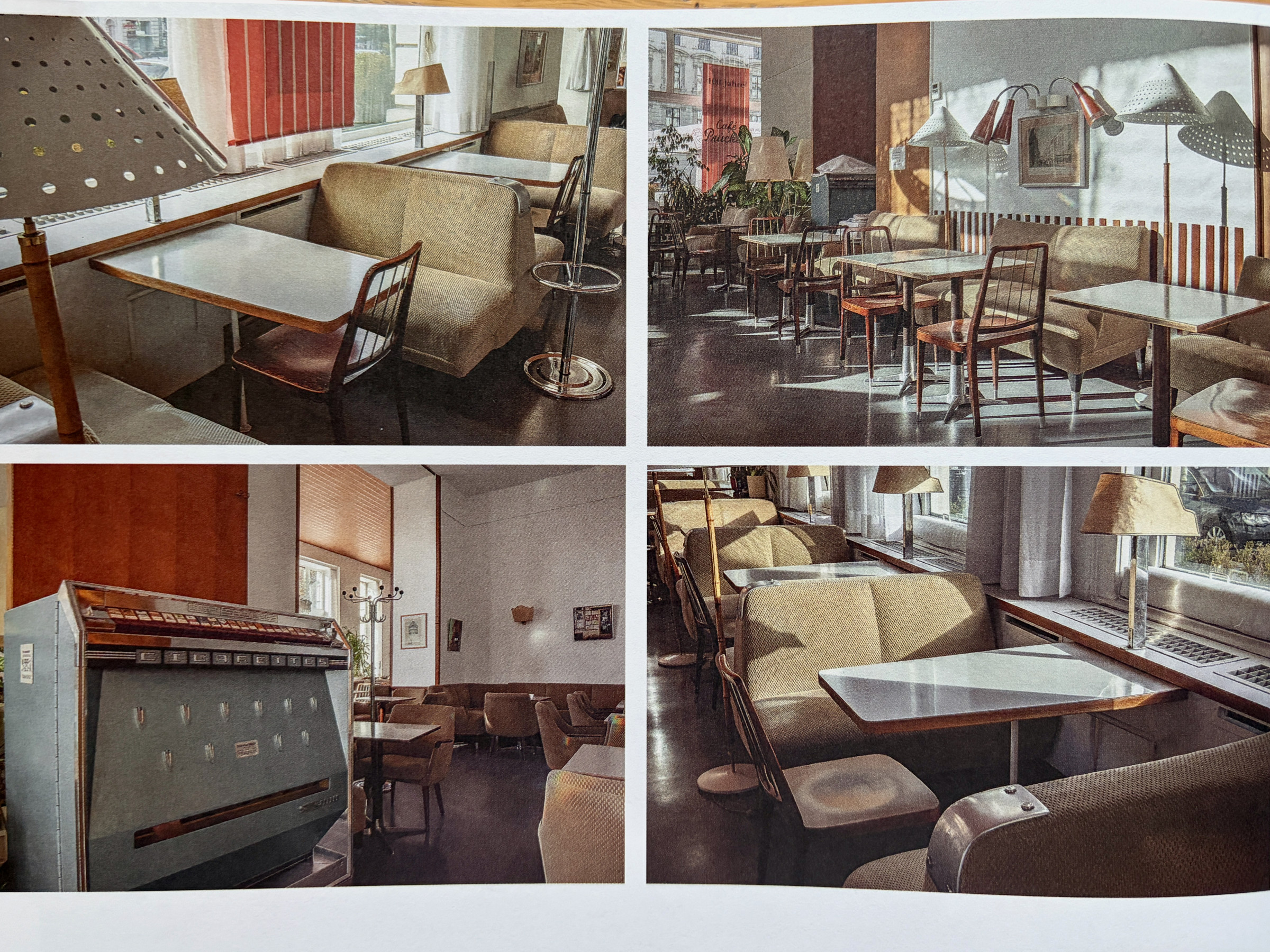
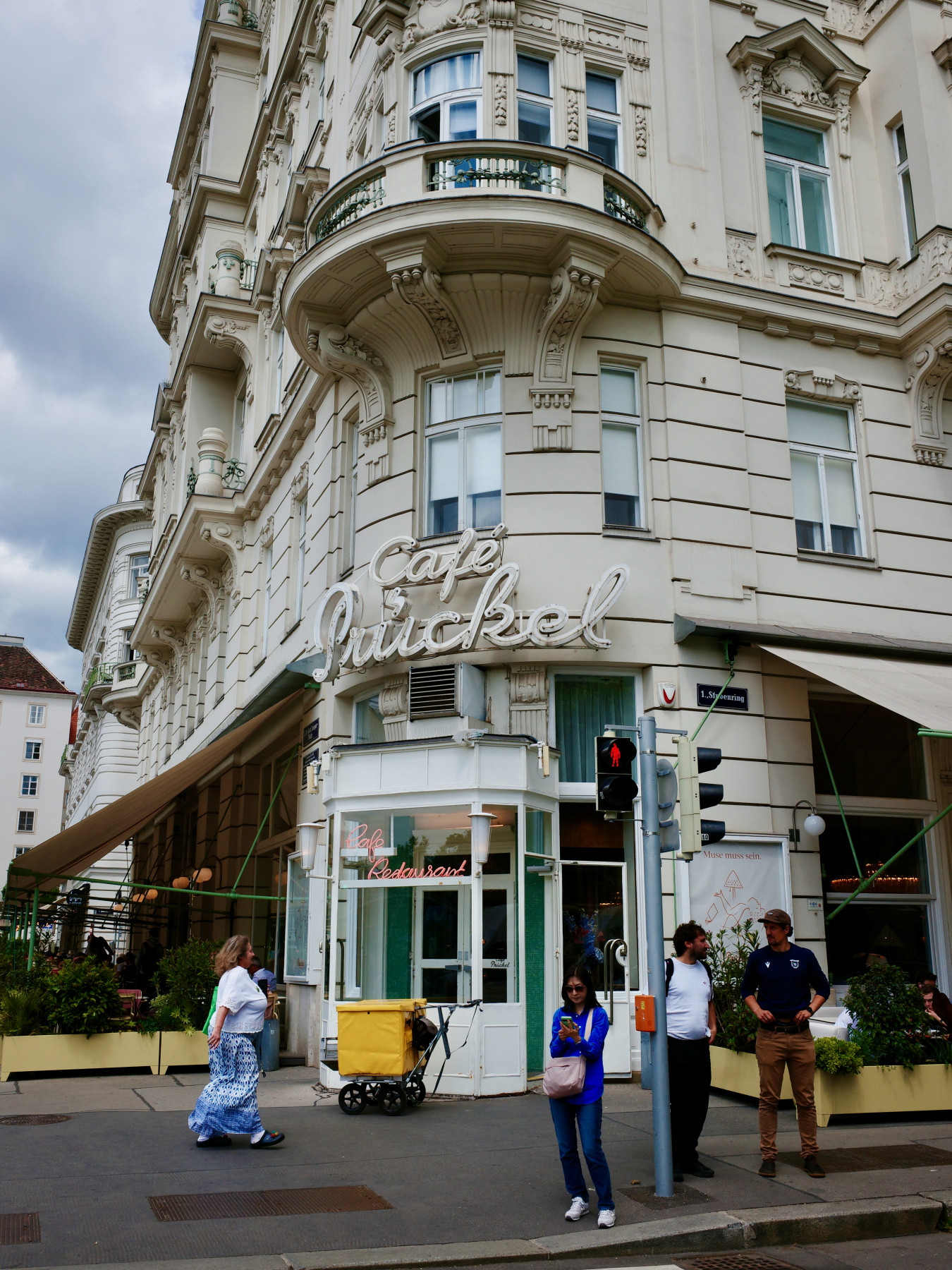
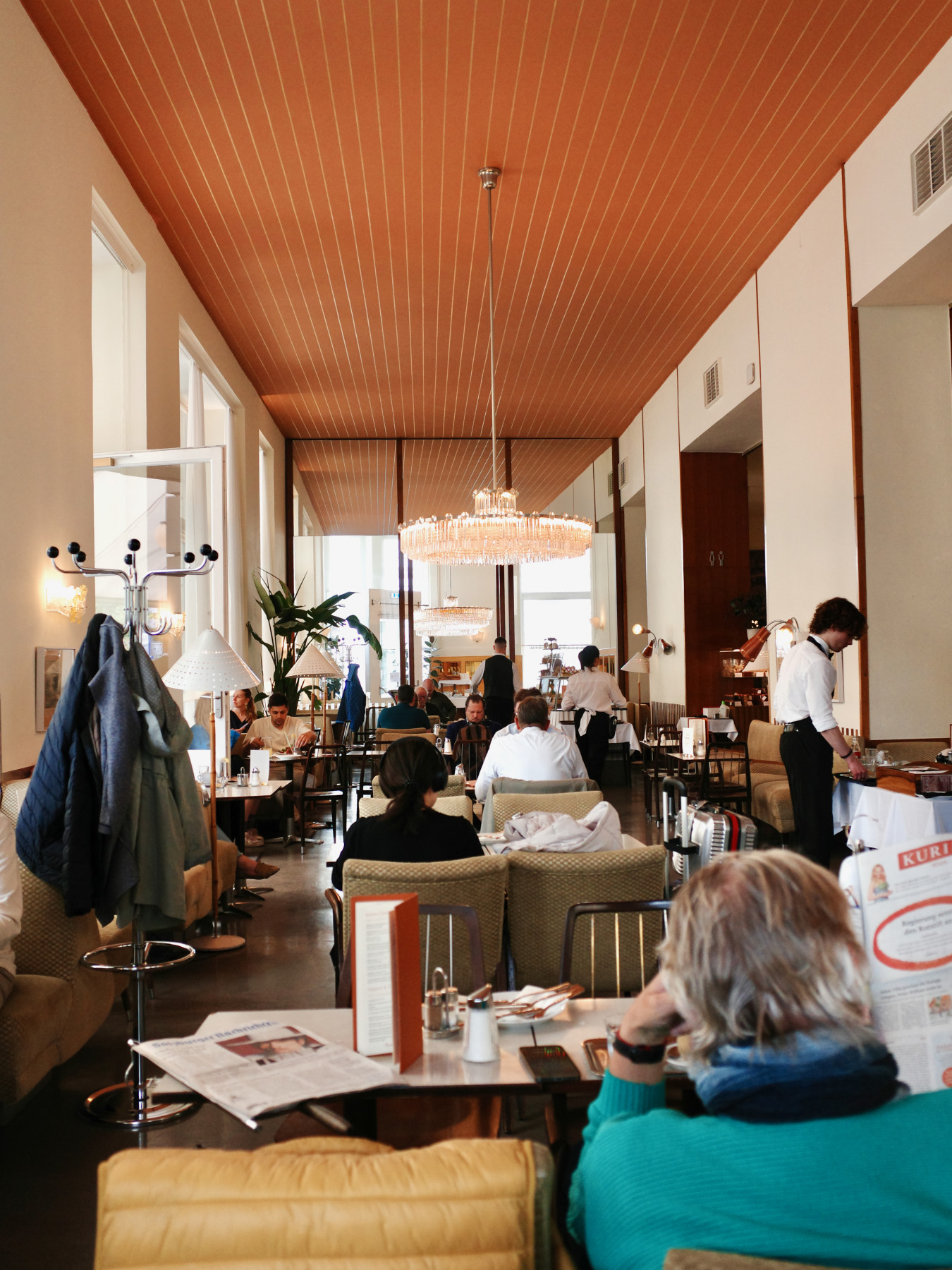
Among the survivors is one of my own regular haunts: Café Prückel on Stubenring, where Wollzeile meets the Ringstrasse. Back in the day, I would often go there with my girlfriend or meet up with friends after work. It’s often said that the Viennese treat cafés as their living rooms, and for a while Prückel was mine. I still remember the late 1980s, when the café was threatened with closure and managed to hang on by the thinnest of threads.
On this recent trip, regrettably, I had no time for a coffee. I only poked my head in to reacquaint myself with the place. Besides, it was so crowded when I was there that I judged my chances of snagging a table to be slim. Still, the interior struck that perfect balance: modern without being austere, elegant without being luxurious.
The Vienna That’s Disappearing
Vienna today is obviously wealthier than the city I knew in the late 1980s. It is self-evidently more international, more prosperous and more confident. The transformation is visible almost everywhere, and it is mostly for the better. Any piece of writing that leans on nostalgia for emotional heft needs to acknowledge that.
The Vienna I remember wasn’t poor, but it was far from prosperous. I arrived there in 1986 directly from New York City, where I had been living as a student. I distinctly remember being struck by Vienna’s palette of gray.
Yet prosperity has perhaps come at some cost. While parts of that older Vienna survive, many of the city’s memorably faded façades and worn interiors have long been restored or replaced. Historic districts have been spruced up. As a travel writer, it’s hard for me not to notice the corrosive effects of the modern tourist economy on parts of the city center.
One of my oddest memories from 1980s Vienna is a bachelor party in 1989 for my friend Béla, who was getting married later that year. The venue was a seedy, smoke-filled nightclub on Leopoldstadt’s then-infamous Zirkusgasse. I can’t remember the name.
The club was shabby and down-at-heel -- a cross between a vaudeville show and a strip club. It wasn't anything people would ever miss. Yet it was also distinctly Viennese in an impossible-to-pin-down way. It felt as though a real-life fragment of The Third Man had somehow survived into the 1980s. Regrettably, I wasn’t able to cross the canal into Leopoldstadt on this trip, but I imagine that, like much of the rest of the city, many of the district’s rougher, more defining characteristics have gradually been smoothed out of existence.
Perhaps that’s why Koch and Doleschal’s book resonated with me so strongly. It reminded me of those aspects of Vienna I had come to appreciate all those years ago and helped to place them in a broader historical context. Most of all, I found it encouraging that others recognize this particular postwar aesthetic and consider it worthy of preserving (even if only in photos).
(Did you like the story and want to add your comment or maybe correct something I didn't get right? Write me at bakermark@fastmail.fm)
(Keep scrolling past the map to see more photos)