Scenes from the city's unscripted '90s

Prague Through the Lens of Robert Carrithers

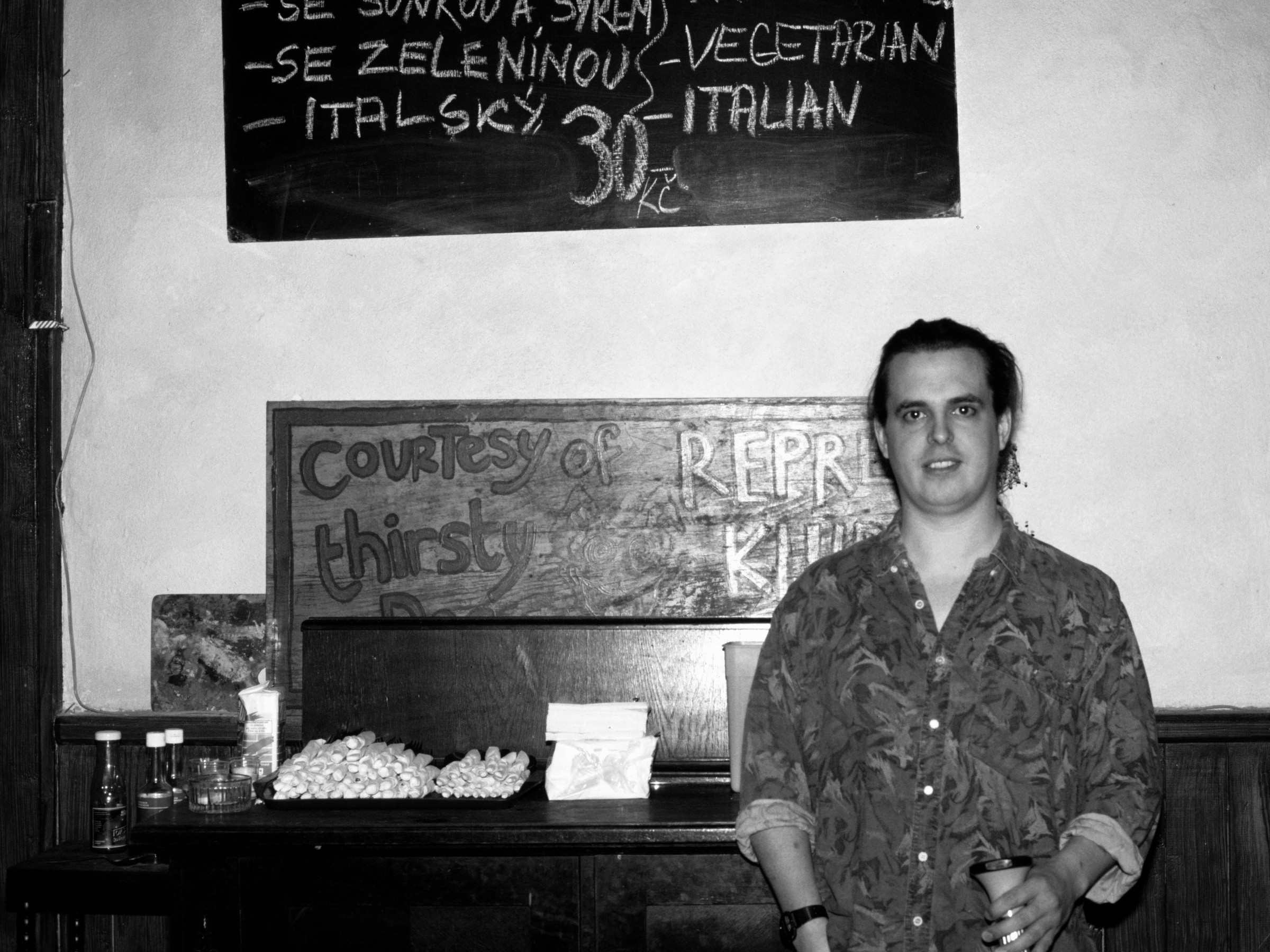
A classic party night at the Prague club Radost FX. For years, Radost pushed the boundaries for the city's nightlife. Carrithers writes: 'I was the house photographer at Radost FX from 1993 to 1996. It had the first good-quality vegetarian restaurant in Prague and the first the cocktail lounge. They would change the décor every [few] months.' Photo by Robert Carrithers.
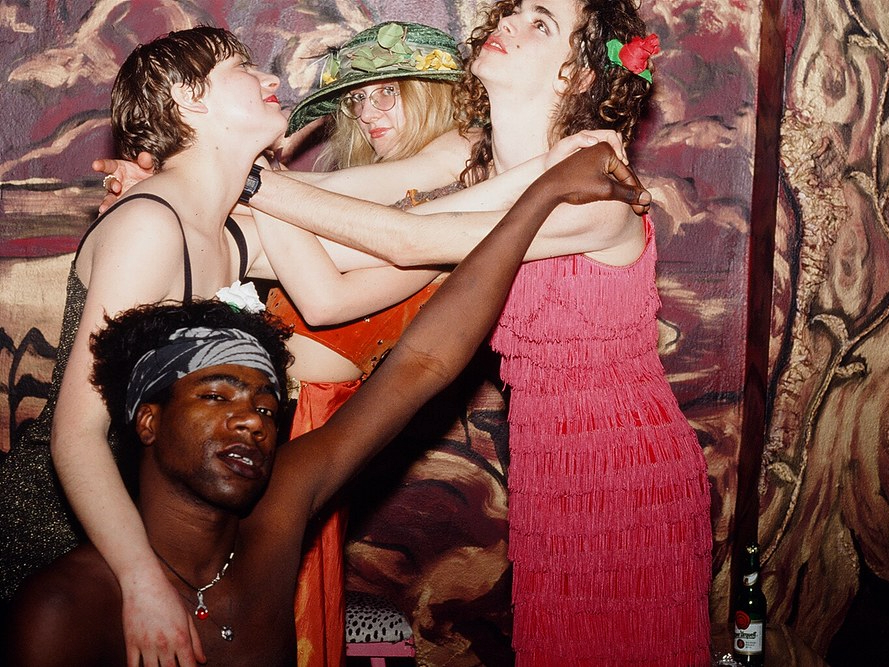
Another typical '90s night at Radost FX. Carrithers: 'Next to the lounge was a gallery that was really innovative and happening at the time, and downstairs was the club. In the early ‘90s, Radost had theme nights and exclusive parties, where you would mix with Czech and international celebrities ... Having grown up with the New York club scene in the ‘80s, I was naturally drawn to this place.' Photo by Robert Carrithers.
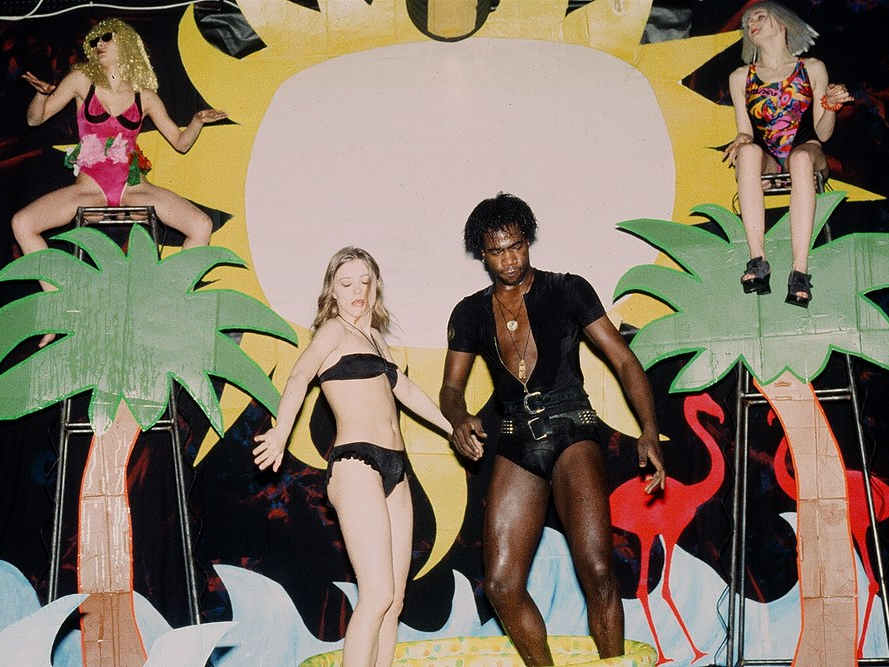
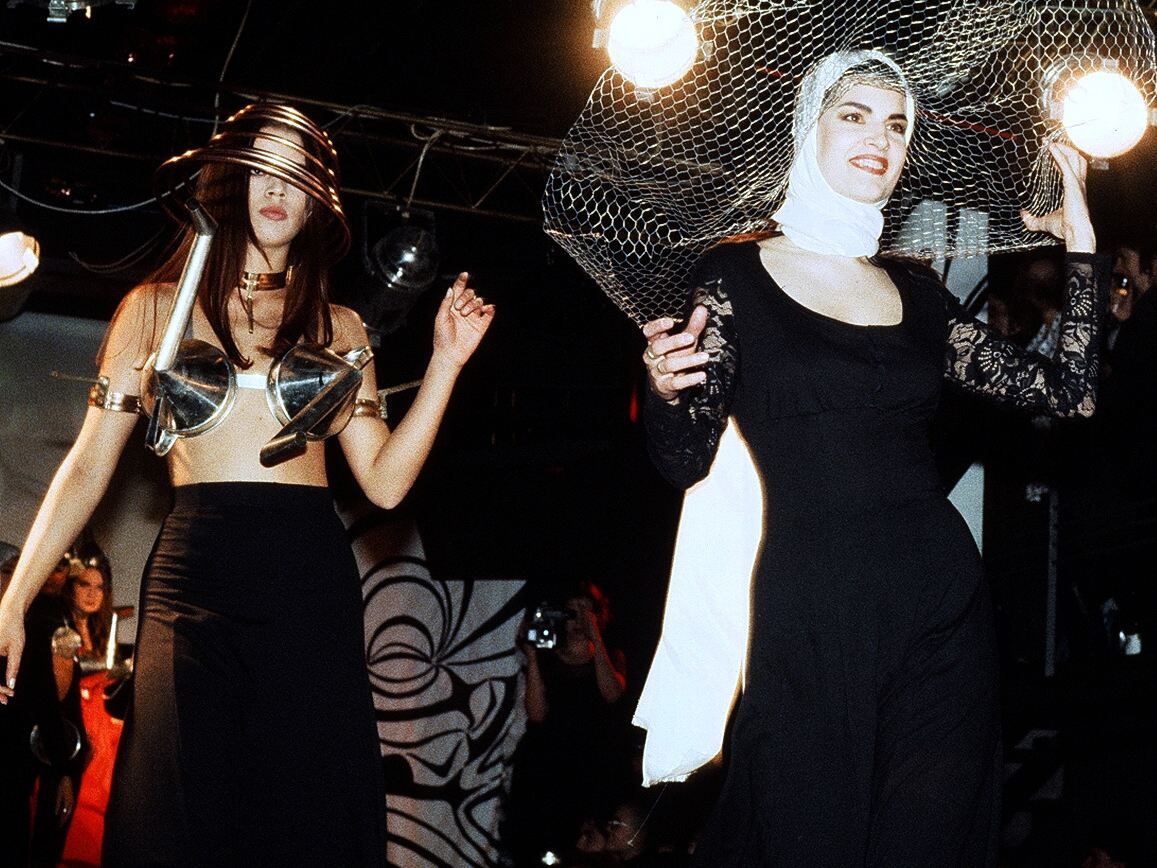
Scenes from a fashion show at Radost FX. Carrithers: 'I got to know the owners [of Radost] Bethea & Richard Zoli. We hit it off right away. All of the people who worked there had a great look and were all interesting characters in their own right. 'Radost' means 'joy' in Czech and it certainly was.' Photo by Robert Carrithers.
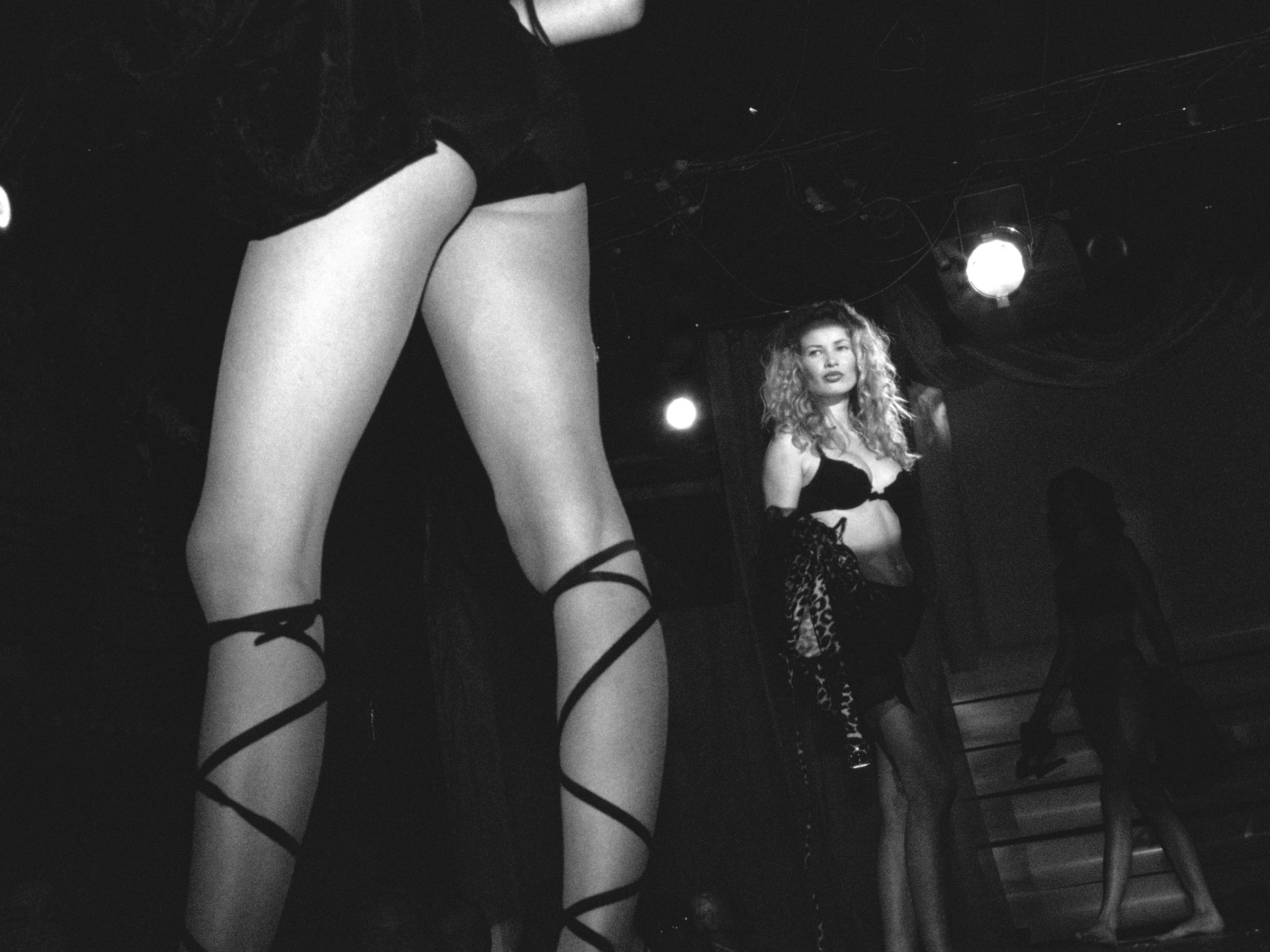
From a fashion shoot at Radost FX. Carrithers: 'Bethea [owner of Radost] saw I was taking photos at the club on and off and offered for me to be the house photographer for a year, which turned into three years. Photo by Robert Carrithers.

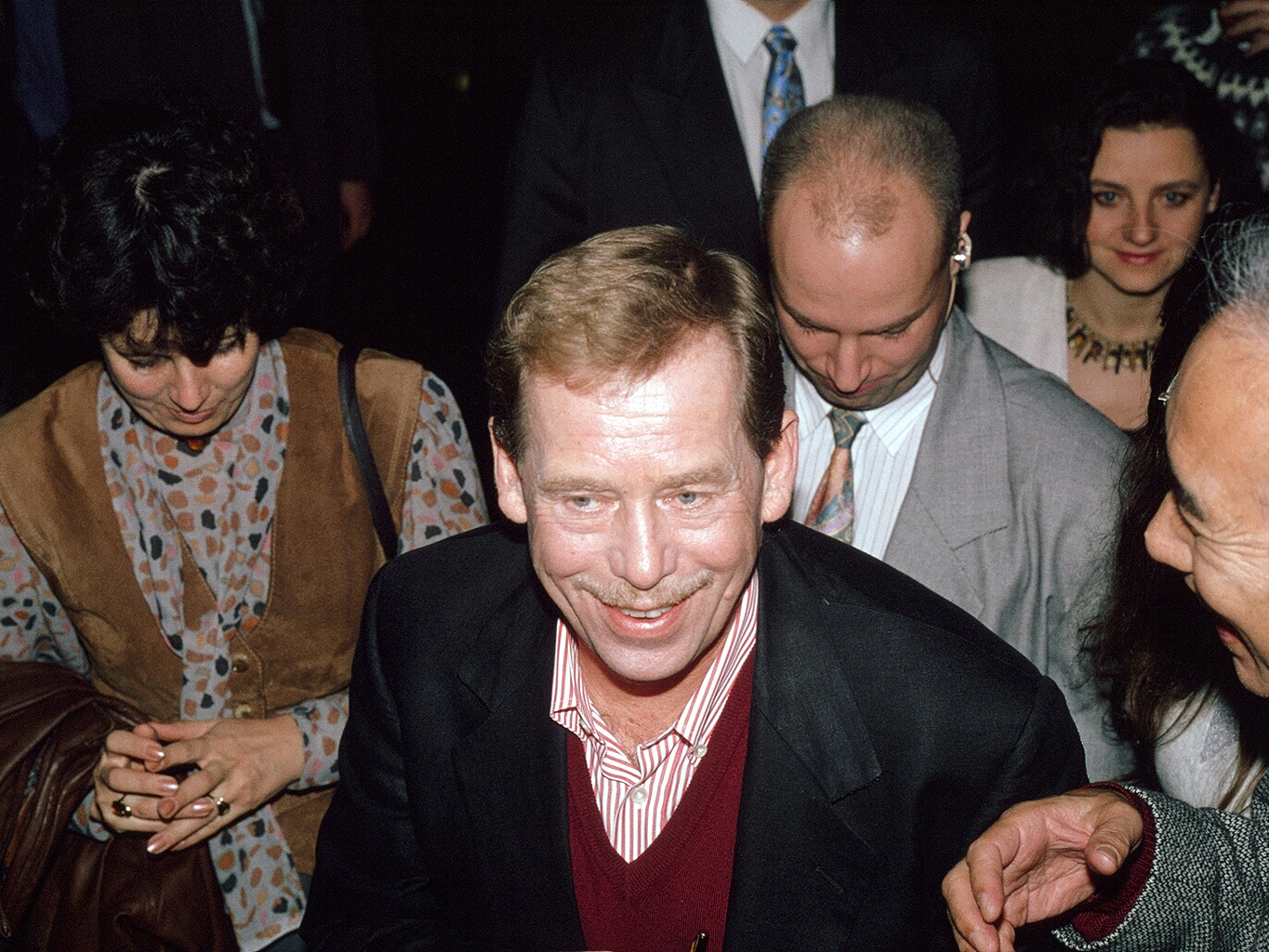
Many of the photos here revolve around the popular Prague club Radost FX, where Carrithers worked during the early '90s as the house photographer. It was an ideal vantage point from which to survey the scene. The club functioned as one of the main meeting points in the 1990s between expats and Czechs, and Carrithers’ position gave him access to a wide cross-section of the city’s emerging cultural life. His photographs document that mix, writers, musicians, artists, locals, and even President Václav Havel, at a time when these worlds were beginning to overlap in new ways.
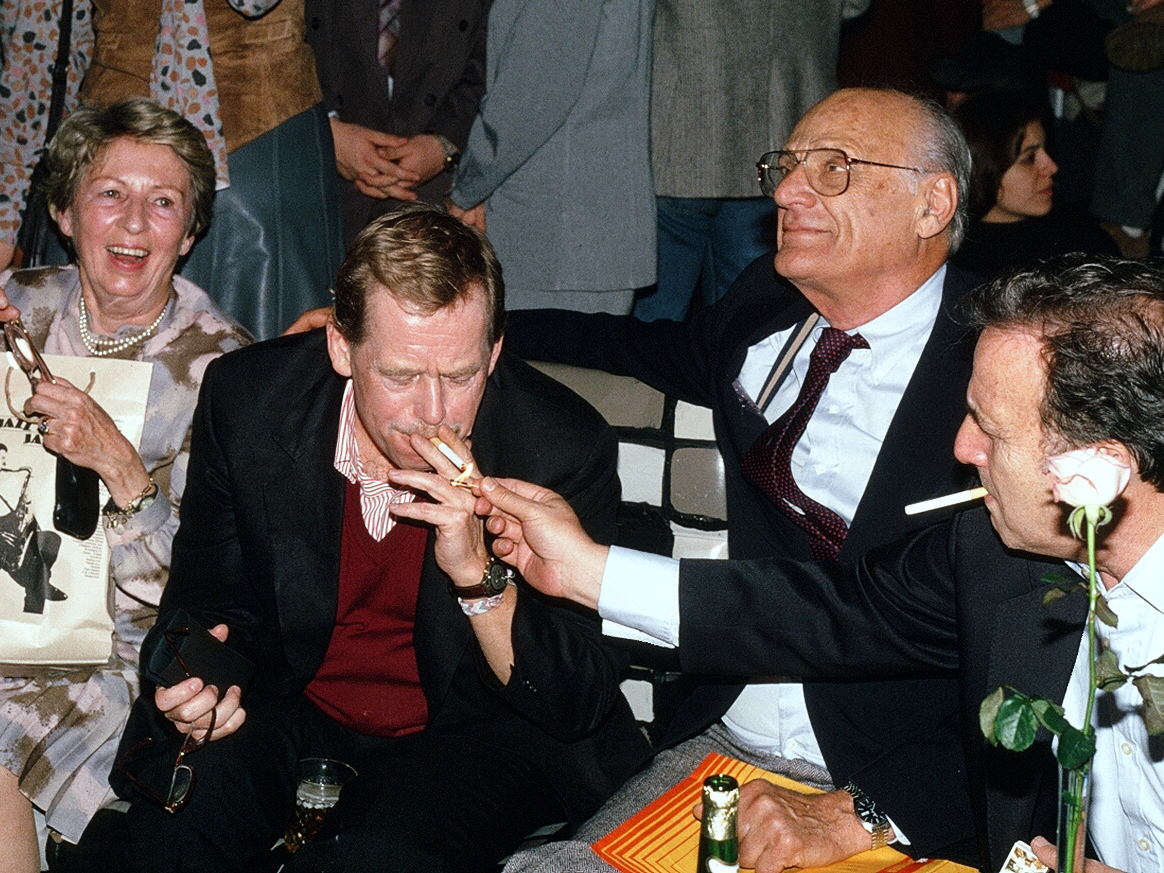
Czech President Václav Havel (left), seated next to American playwright Arthur Miller (right) at the 61st International PEN Congress in Prague, in November 1994. Carrithers: 'I had the pleasure to meet Havel and one of my all-time heroes, Arthur Miller.' Photo by Robert Carrithers.
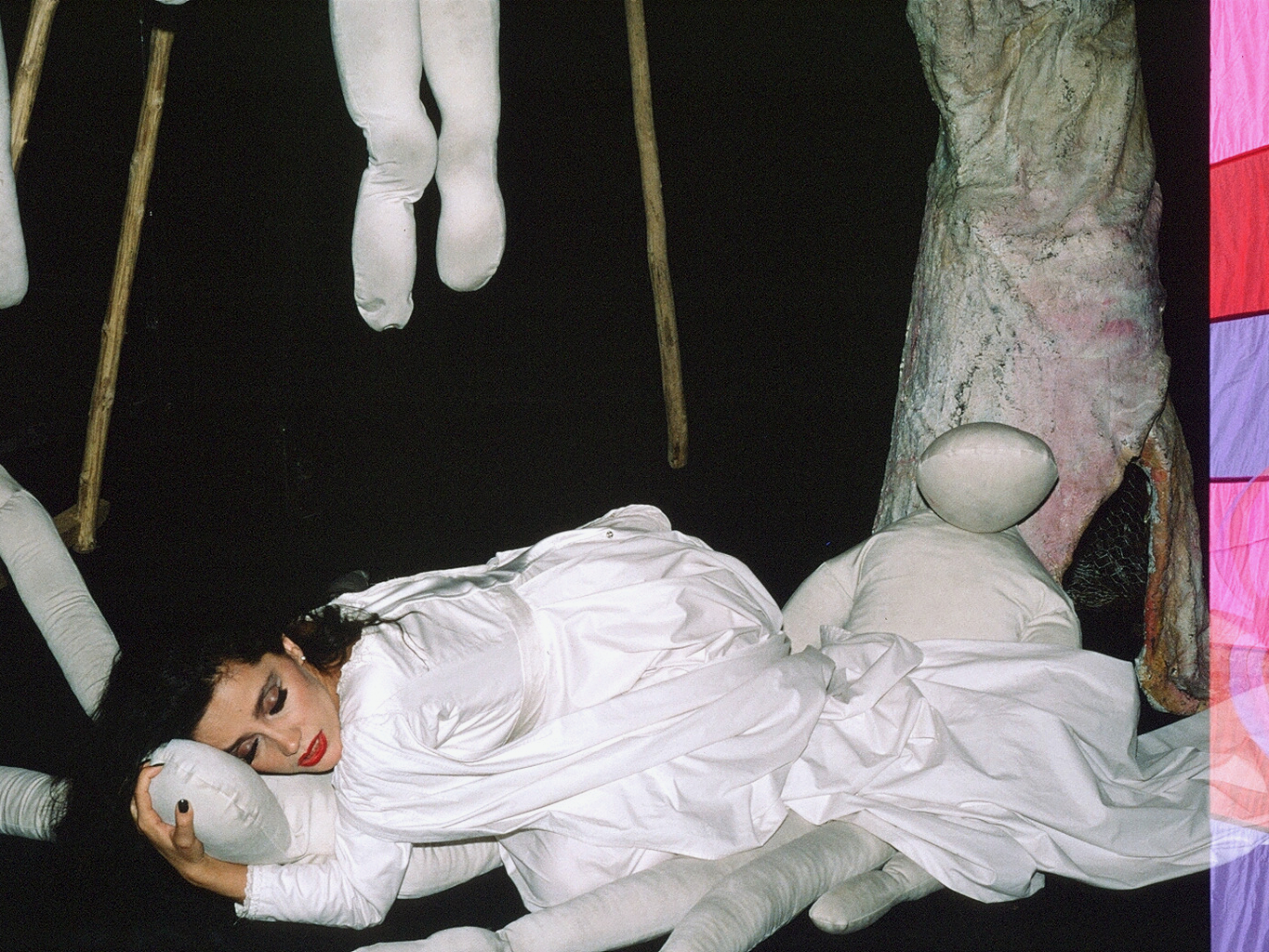
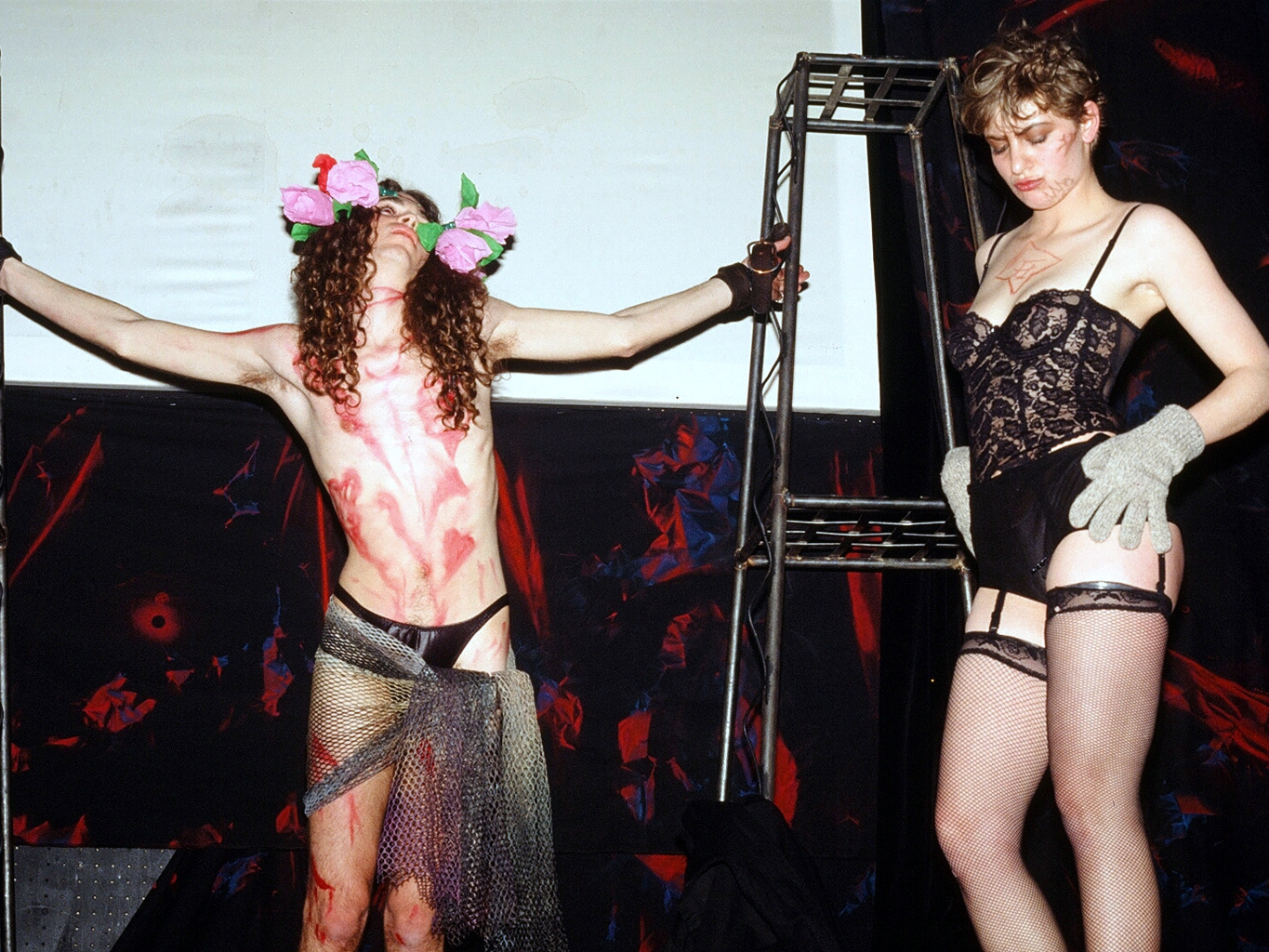
More fun at the Prague club Radost FX. Carrithers: 'This photo looks like some sort of performance with a psychedelic Jesus Christ and a girl in lingerie. They had a lot of those. I forgot which one this is.' Photo by Robert Carrithers.
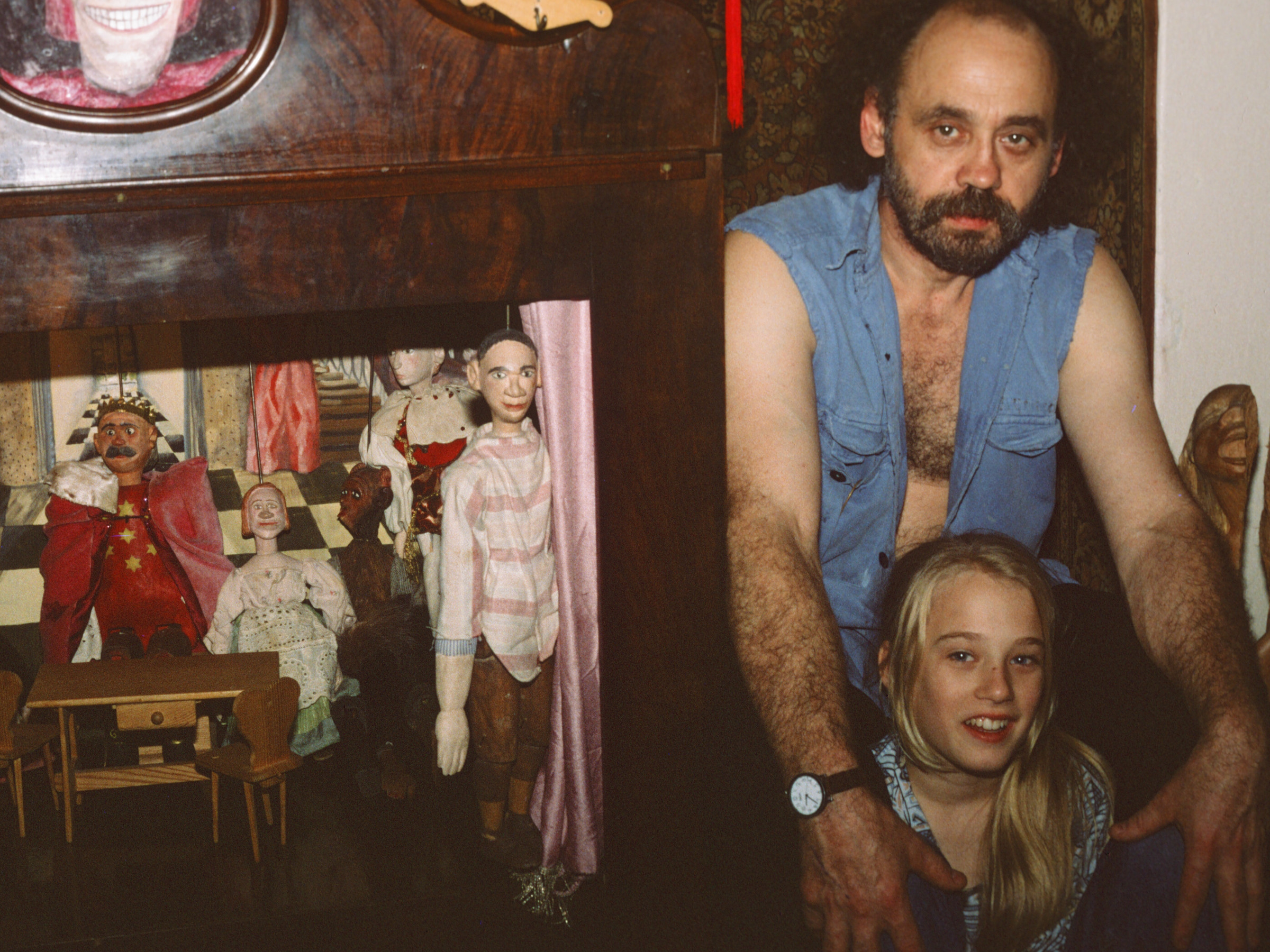
Communist-era dissident and Velvet Revolution figure John Bok, pictured here with his daughter, Kristýna. Carrithers: 'I first met Bok at Radost, where he was cleaning toilets. He said he was doing it to make a statement. He had worked in the government but said cleaning the toilets at Radost was a cleaner job than working in the Czech government.' Photo by Robert Carrithers.
Czech pop singer Lucie Bílá. Her song 'Láska je láska' set the tone for '90s Prague and remains one of the period's most-enduring anthems. Carrithers: 'I took this photo at a theater called Ta Fantastika ... I was fascinated when they staged a musical interpretation of the painting 'The Garden of Earthly Delights,' by Hieronymus Bosch.' Photo by Robert Carrithers.

Other photos capture the newly freed city itself and some of its more unusual characters — the “Sword Swallower” and “Devil Man,” for example. These figures seemed to emerge straight out of the post-communist ether, living on the margins while becoming part of the era’s shared memory.
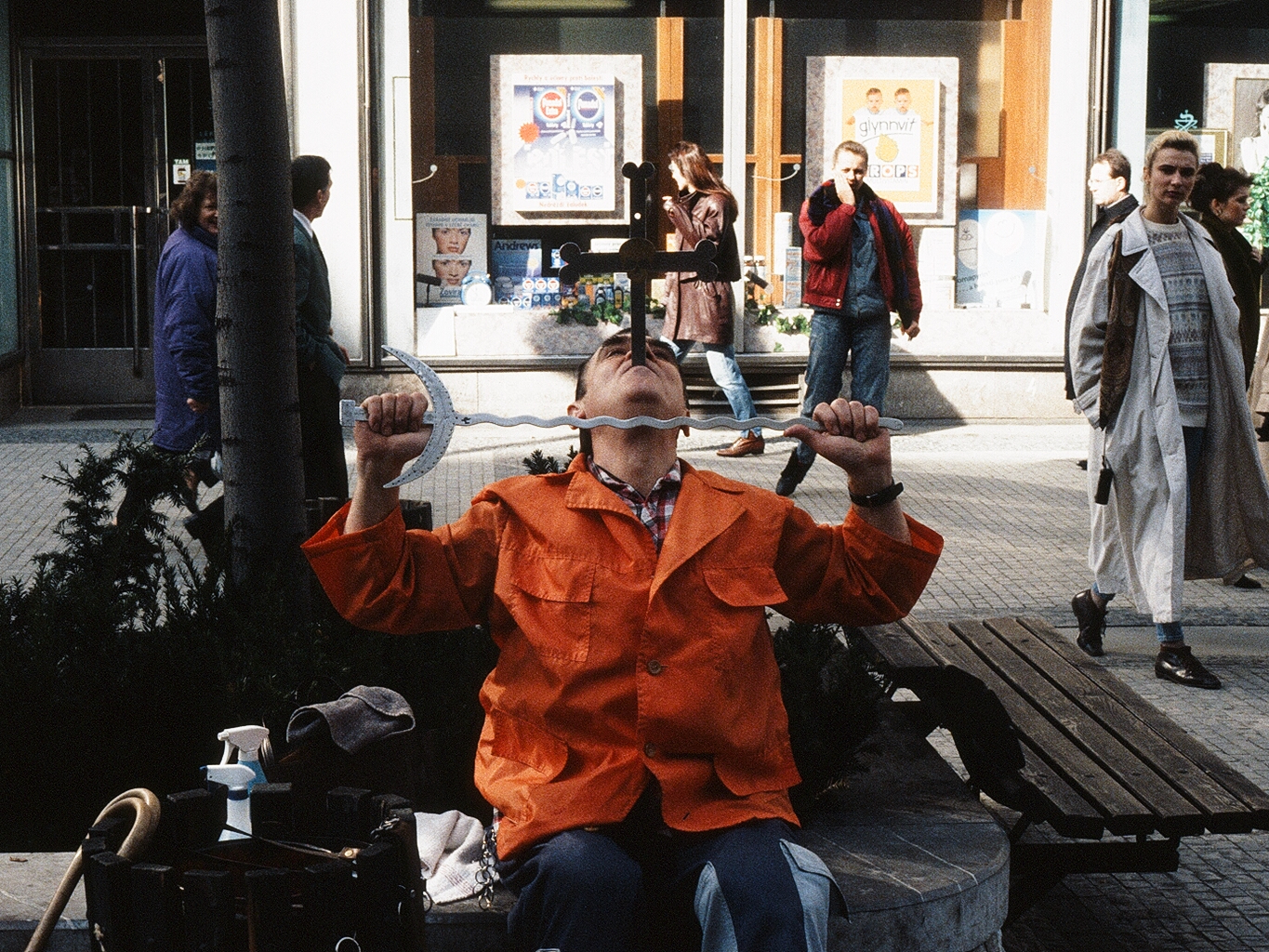
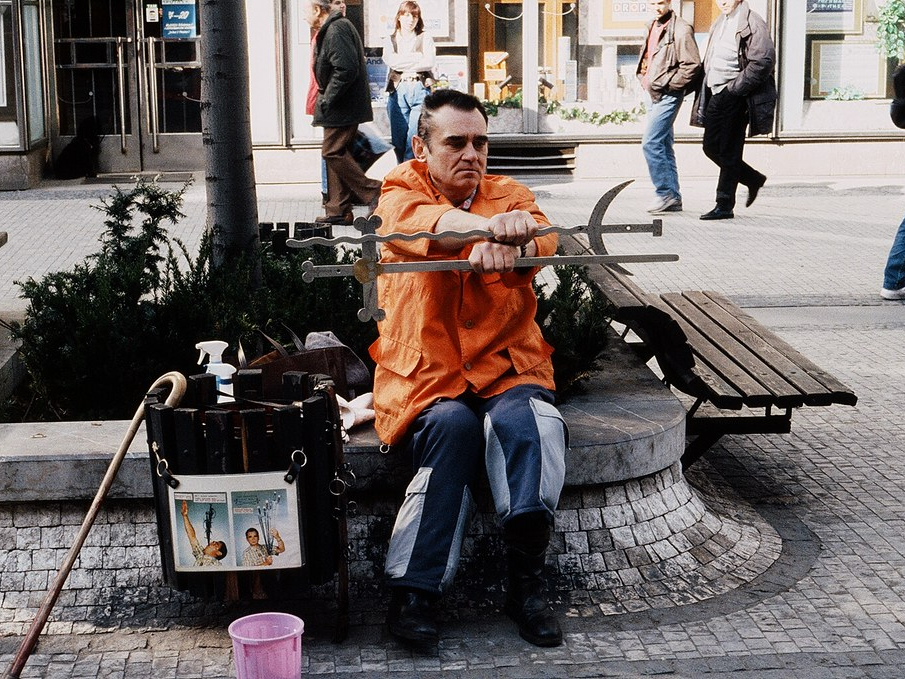
Prague's 'Sword Swallower' seemingly appeared out of nowhere after the Velvet Revolution and dazzled tourists and locals for many years. Carrithers: 'He would be situated down at Můstek doing his show. Next to him would be photos of when he was younger, swallowing swords. Did he work for the circus in the past?' Photo by Robert Carrithers.
A mainstay of the '90s Prague scene: the 'Sword Swallower.' Carrithers: 'He would swallow a series of swords and then for an encore put long nails up his nose & hammer them in with one of swords. He was one of the popular street performers that you could see all of the time in the Prague of the ‘90s.' Photo by Robert Carrithers.
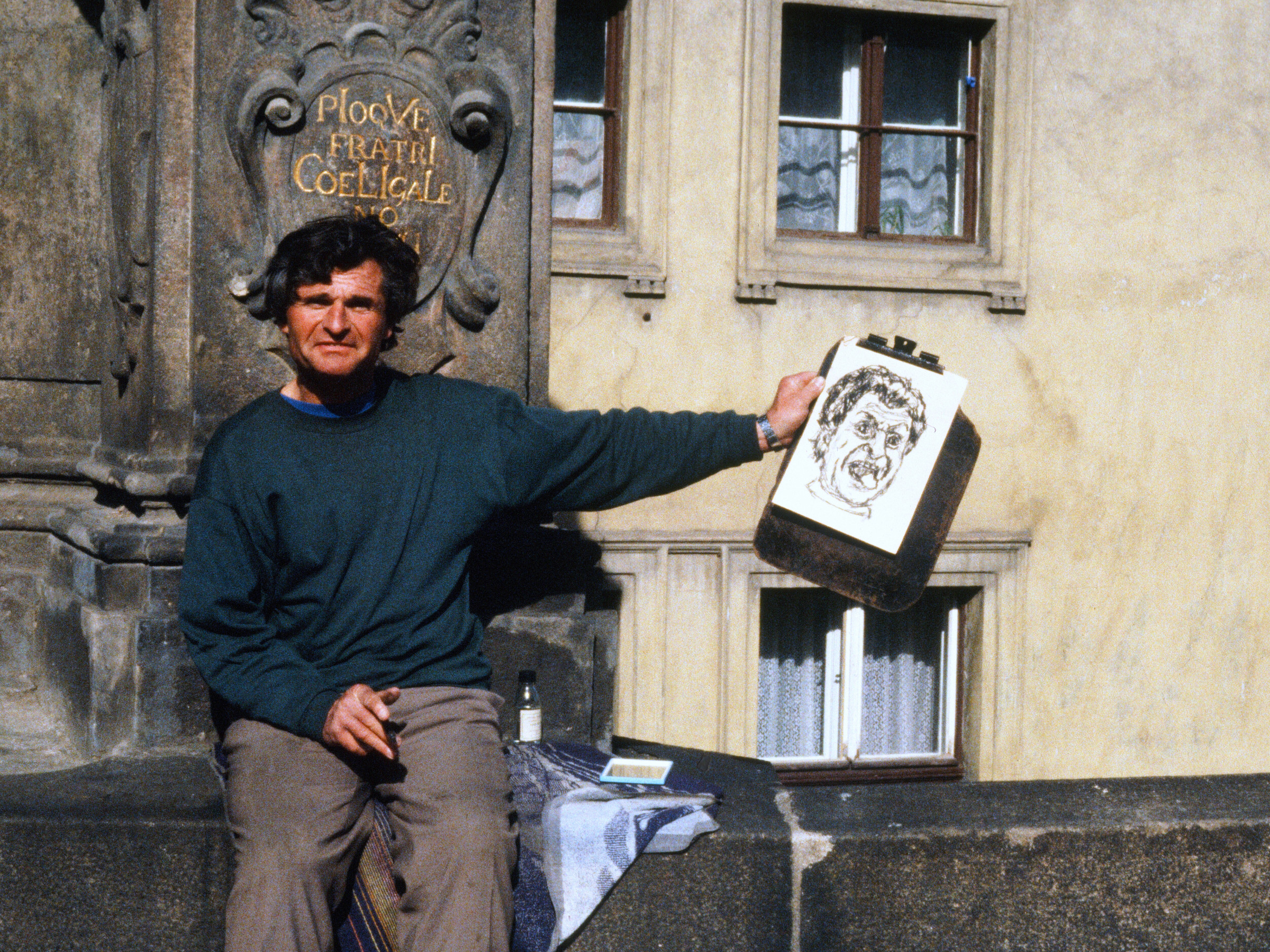
Prague's 'Devil Man,' pictured here at his usual perch on Charles Bridge. Carrithers: 'The Devil Man was there every day with a mirror in his hand, along with a hand-held canvas. He’d grimace in the mirror with his tongue sticking out and would draw a self-portrait with himself as the devil.' Photo by Robert Carrithers.
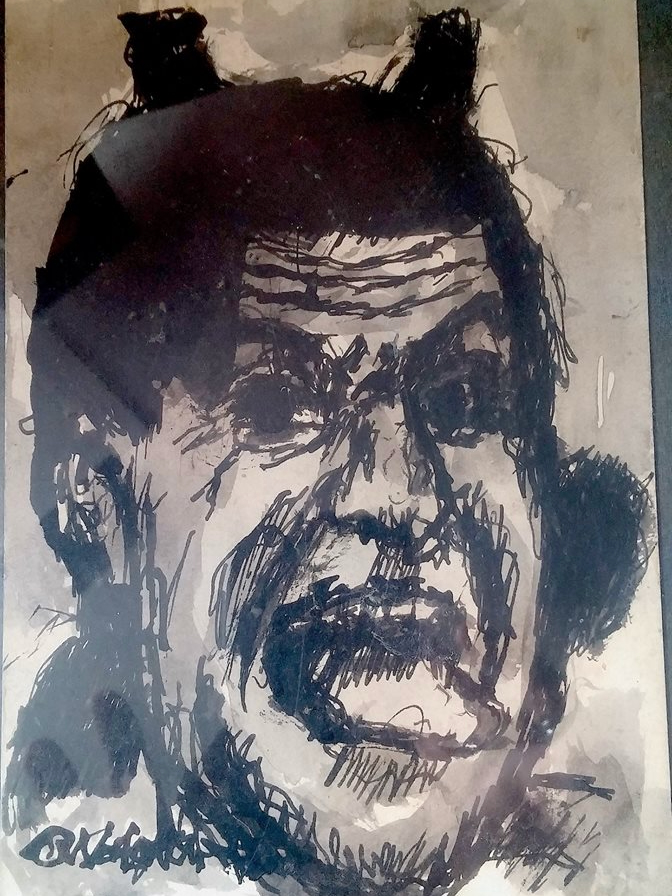
Prague's irreplaceable 'Devil Man.' Carrithers: 'The Devil Man became a local legend. It was said he was once a brilliant professor who somehow gave it all up. He [allegedly] stayed there until his death.' Image courtesy of Robert Carrithers.

As a young American in Prague himself at the time, Carrithers moved easily among the thousands of Gen-X foreigners who arrived en masse during the '90s to take advantage of the city’s newfound freedoms. These expats created their own demimonde, both alongside and apart from their Czech hosts. They opened clubs and bars, ran cafés and bookstores, staged theater, published newspapers and literary journals, and added an unexpected external dimension to the emerging scene.
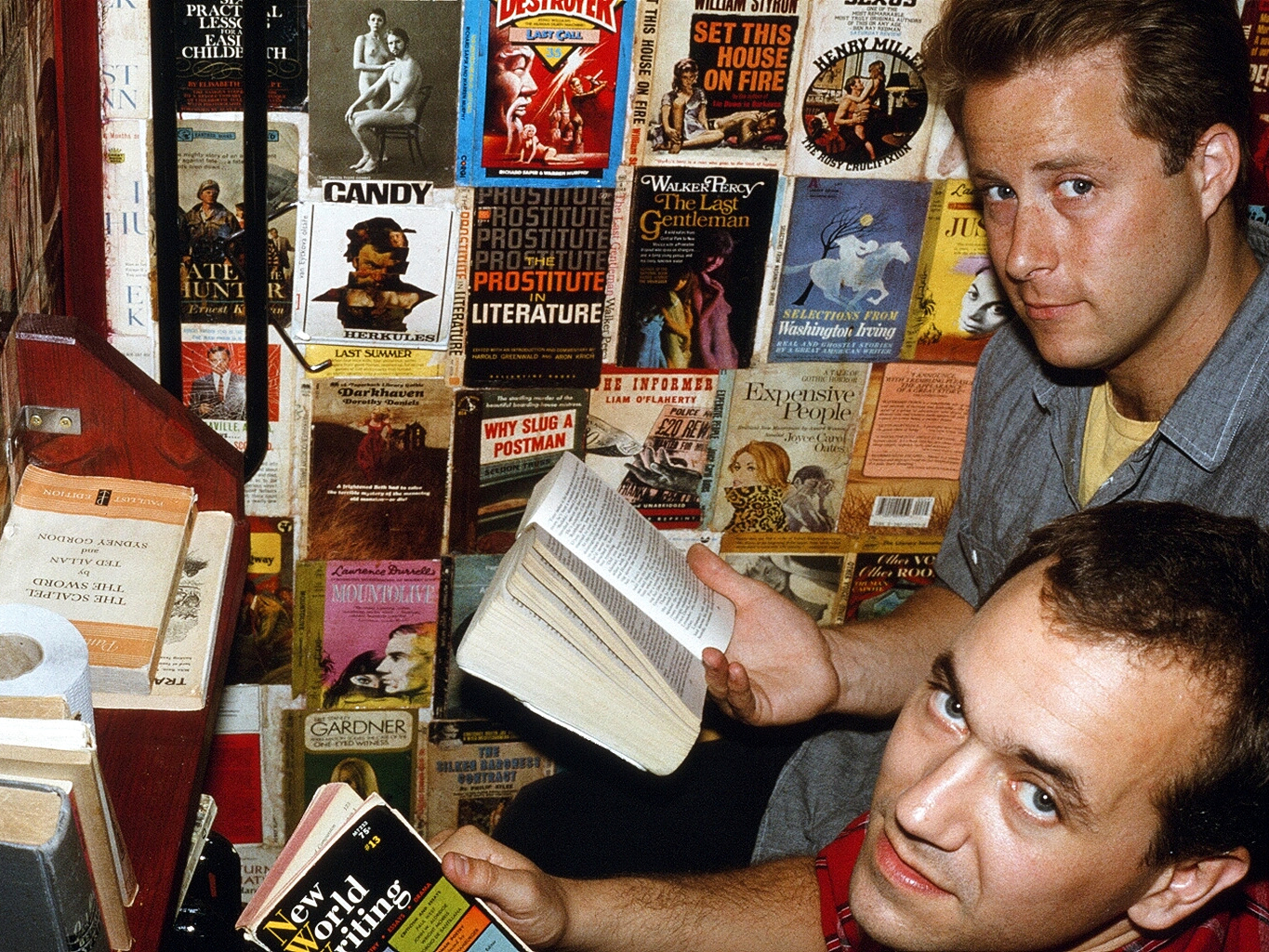
Two of five owners of The Globe Bookstore and Coffeehouse: Scott Rogers (below) and Jasper Bear (above). The setting is the Globe's bathroom, plastered over with covers of old books. Carrithers: 'The Globe opened in 1993. It was at the height of the post-revolution expatriate life... The place had great atmosphere. There were many relaxed evenings, chess games and friendly readings with emerging writers, poets and entertainers of all sorts.' Photo by Robert Carrithers.
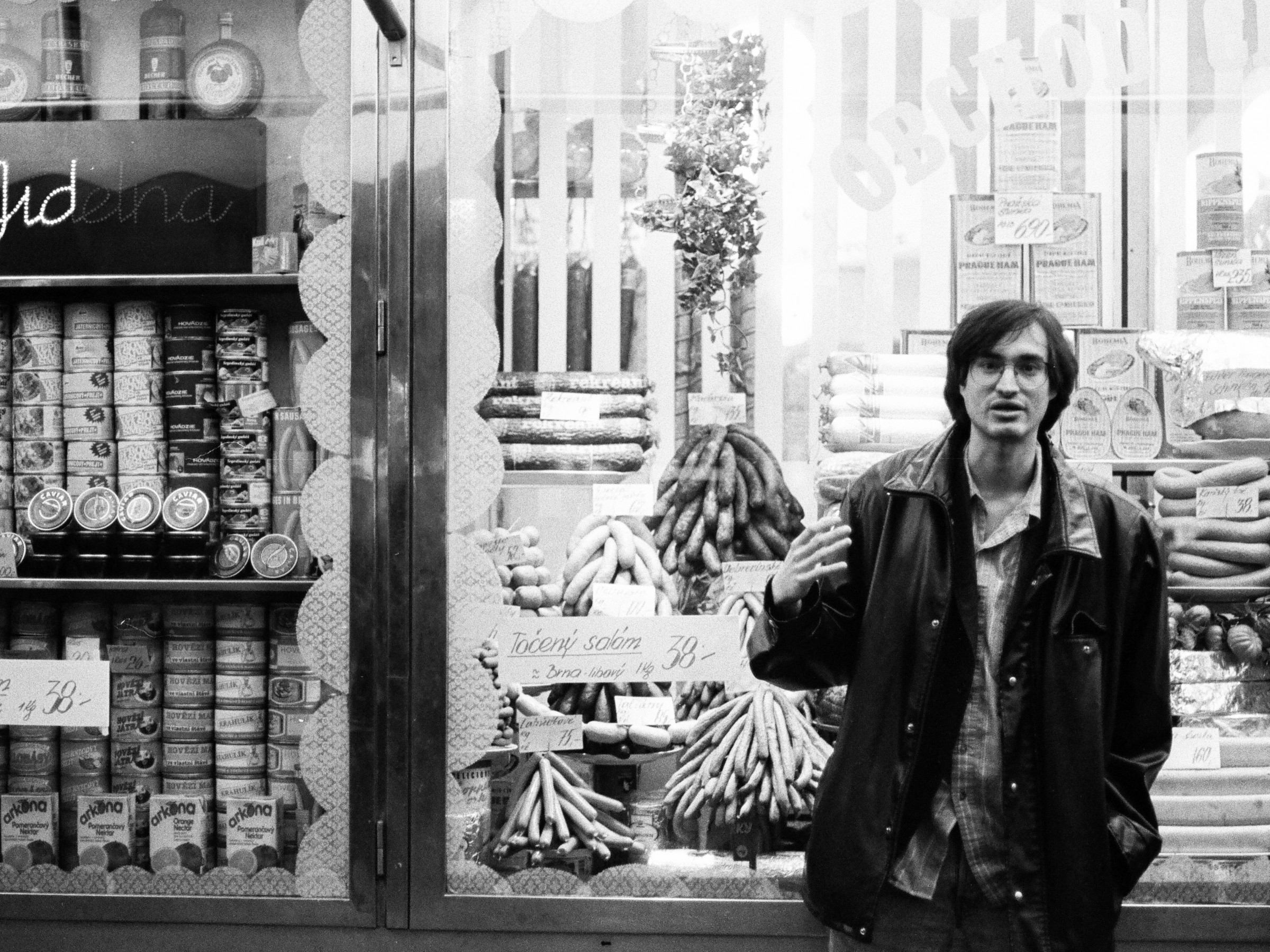
American writer David Freeling, seen here on Prague's Wenceslas Square. Carrithers: 'Freeling started the 'Beefstew' (poetry) readings in Prague in the early ‘90s. Mostly they involved expats, but eventually Czech poets and writers got involved as well. I took this photo in front of a meat shop in the center, while David recited poetry.' Photo by Robert Carrithers.
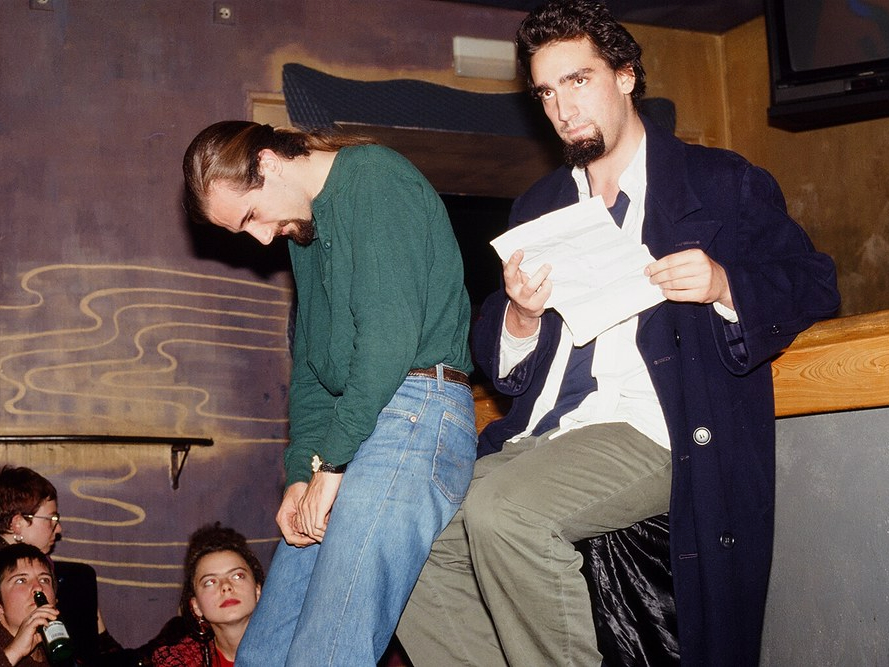
The weekly open-mic 'Beefstew' readings of poetry and short fiction were held Sunday evenings at Radost FX. Carrithers: 'It was a gathering of mostly expat writers and poets getting together and doing readings. There was a signup sheet and open mic. Some took themselves too seriously and some did not. There was the occasional music.' Photo by Robert Carrithers.
American bar owner and businessmen John Bruce Shoemaker, pictured here at his bar, 'The Derby', in the Prague neighborhood of Holešovice. Carrithers: 'John Bruce was certainly an infamous character. He was a former journalist, but once he made it to Prague he became a big wheeler-dealer and club/bar entrepreneur. He was in the right place at the right time and made the most of it. The places he opened all became legendary.' Photo by Robert Carrithers.

More broadly, Carrithers’ work reflects the connections between Prague and two other cities central to his life and career: New York and Berlin, where he also worked. Each city was undergoing its own period of change, and his photography captures the shared energy of those environments without imposing a single narrative.

“I first went to Prague in September 1990,” Carrithers writes. “I was supposed to go for two weeks and return to Berlin. I went back to Berlin two months later. It was then that Prague captured me.”

“Prague is not always a good place for someone from another country to make his or her home,” he writes. “For some it works, but for many others Prague chucks them out and refuses to accept them for one reason or another. It does not work for everyone, but if it does, it’s magic.”

Reflecting on how the city has changed over the past three decades, he writes, “Walking the streets of Prague back then was a different experience. There was less traffic, and there was a sense of optimism in the air… There was a wide variety of street performers and musicians all over the center… [Despite the changes, though,] Prague is still a very special place to live, and I’m inspired by it all the time.”

Find out more about Robert Carrithers at his Instagram page.

(Keep scrolling for more photos.)

Did you like the story and want to add your own experiences? Or maybe help me to correct something I didn’t get right? Write me at bakermark@fastmail.fm.
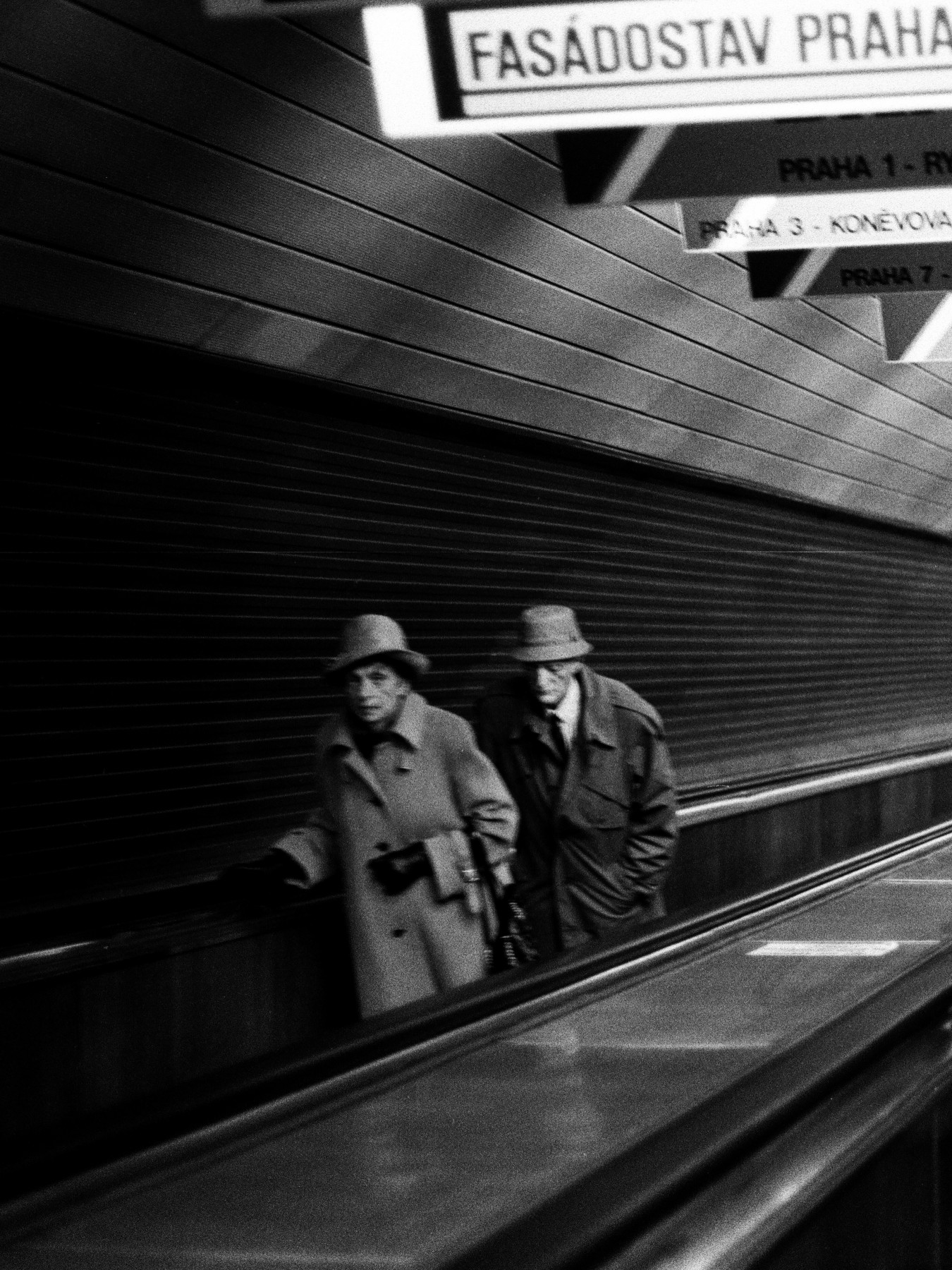
Passengers riding an escalator in the Prague metro. Photo by Robert Carrithers.
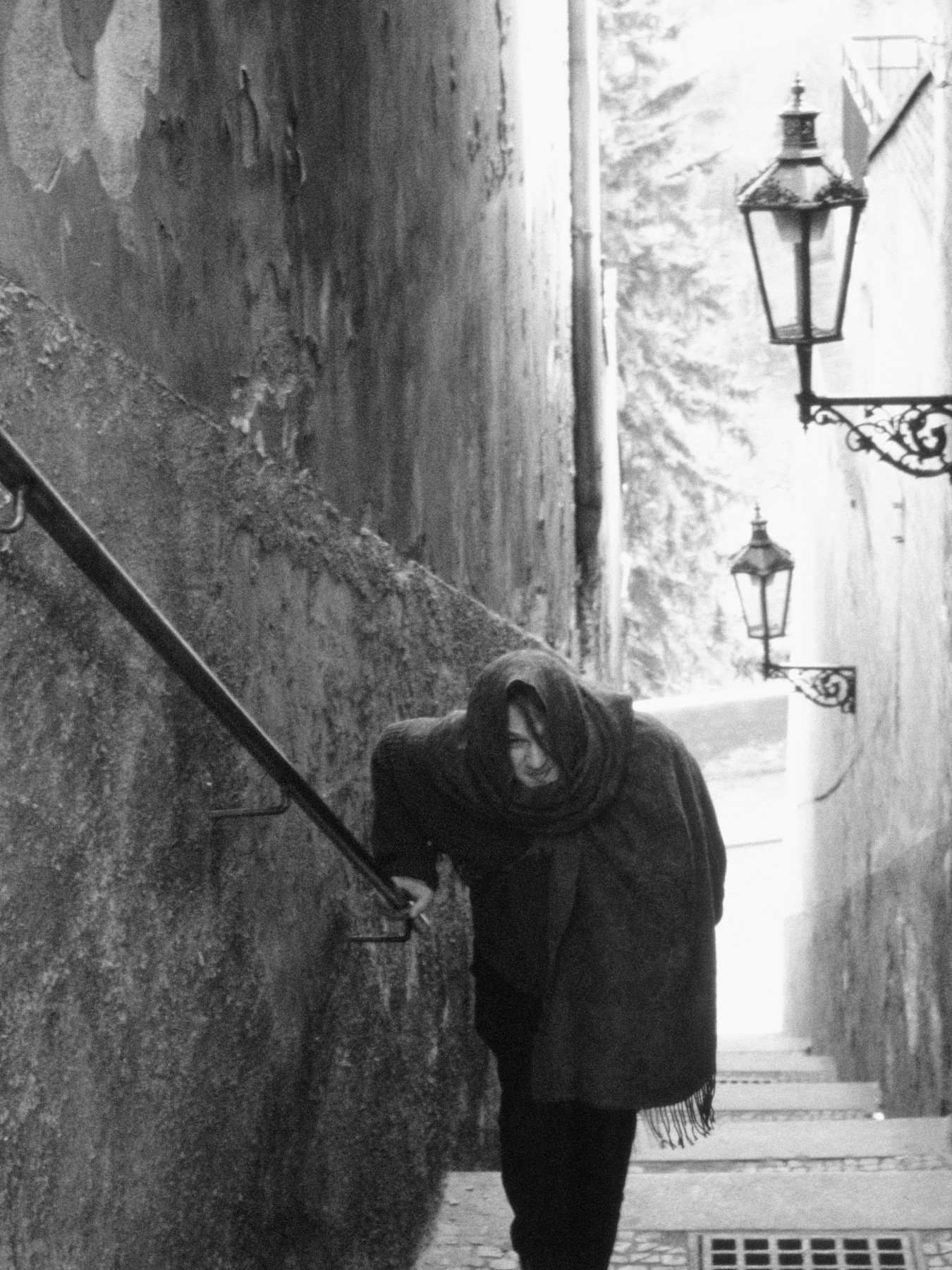
On the steps near Prague Castle, sometime in the '90s. Photo by Robert Carrithers.
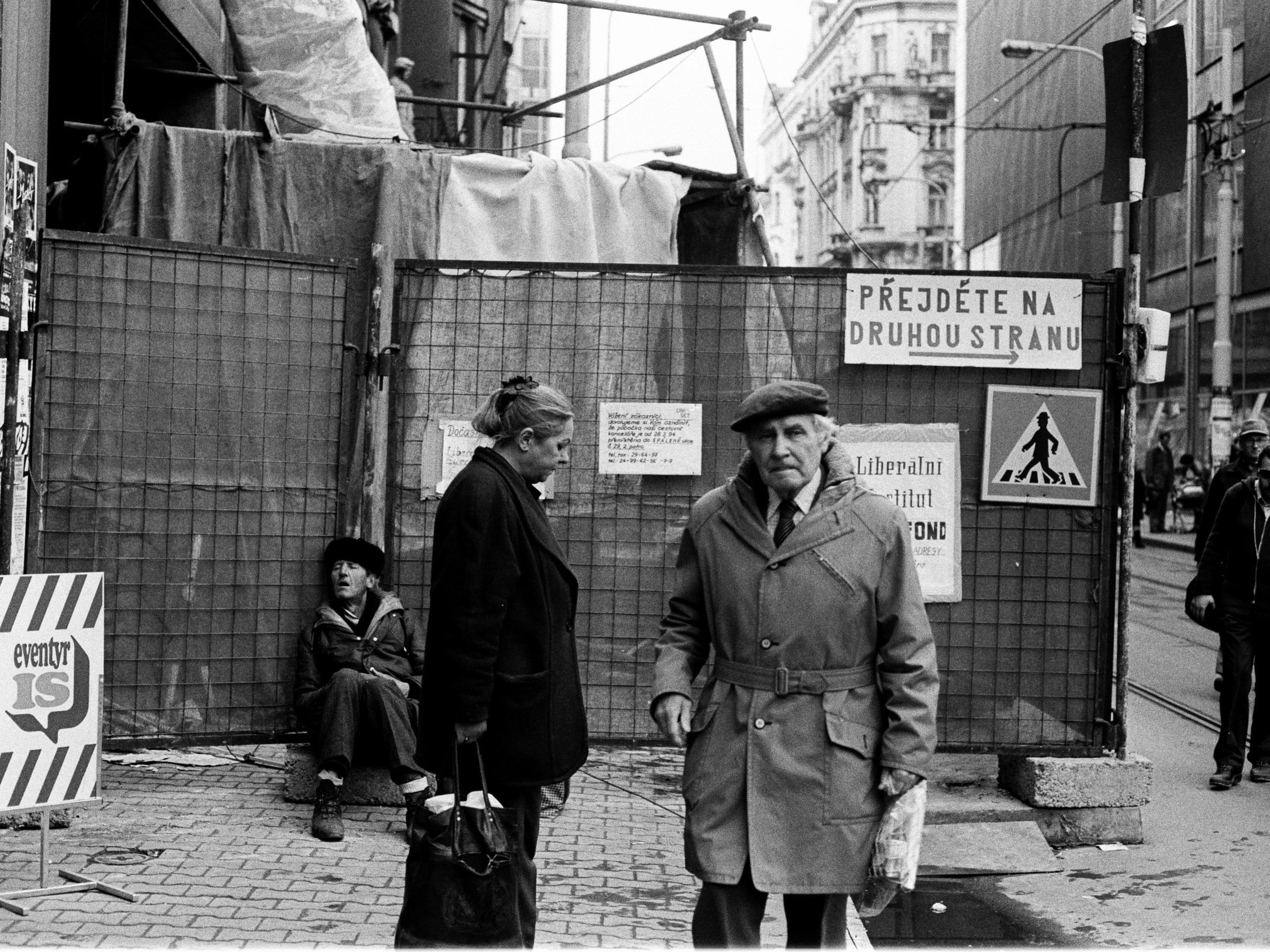
A typical street scene of Prague in the 1990s. The location is close to the former Máj department store, just off of Prague's main central boulevard, Národní třída. Photo by Robert Carrithers.
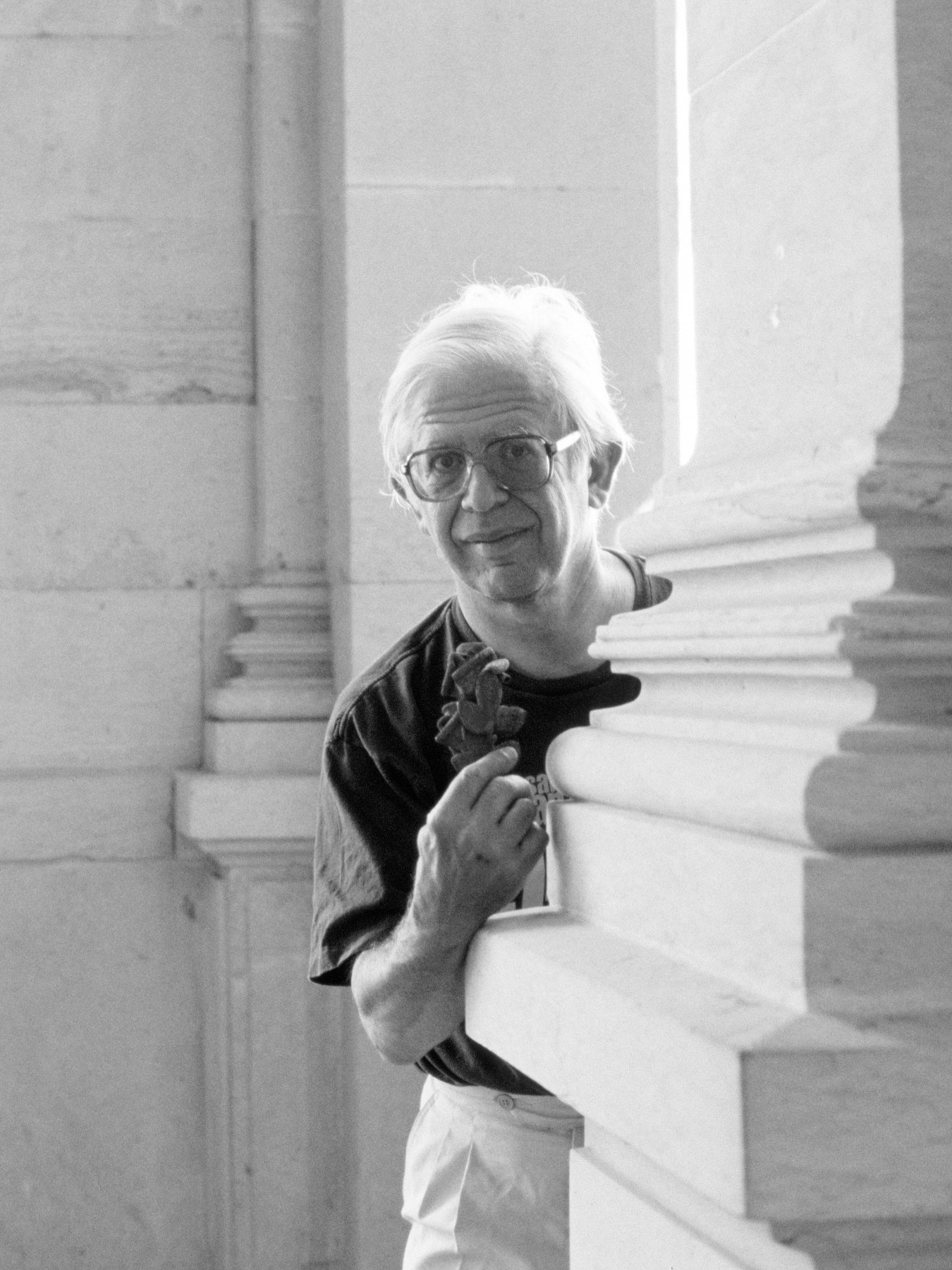
Prague Post editor-in-chief, Alan Levy, seen here in 1996 at the Karlovy Vary Film Festival. Carrithers: 'There is so much to write about Alan, I don't know where to begin... His nature was that of a mentor and he gave me the opportunity to work for the Post ... He believed in me when others didn’t.' Photo by Robert Carrithers.
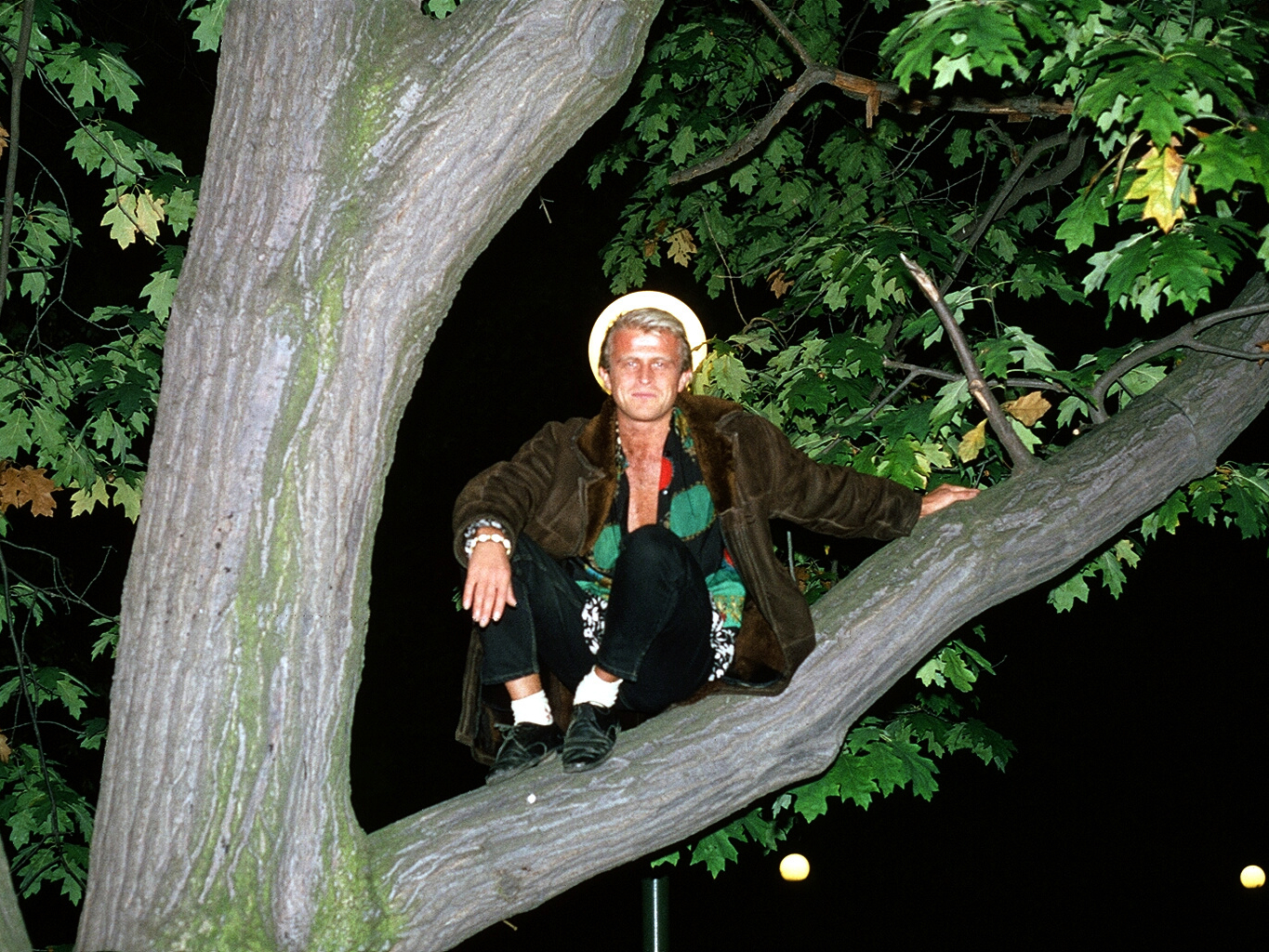
Late Czech musician Daniel Nekonečný, a former singer with the band 'Laura a její tygři' and co-founder of the popular '90s music group 'Šum svistu'. Carrithers: 'Nekonečný was known in Prague as the 'Samba King'. He had huge shows with his band and Brazilian dancers. I got him up in a tree and photographed him. Yes, that's a full moon behind his head.' Photo by Robert Carrithers.
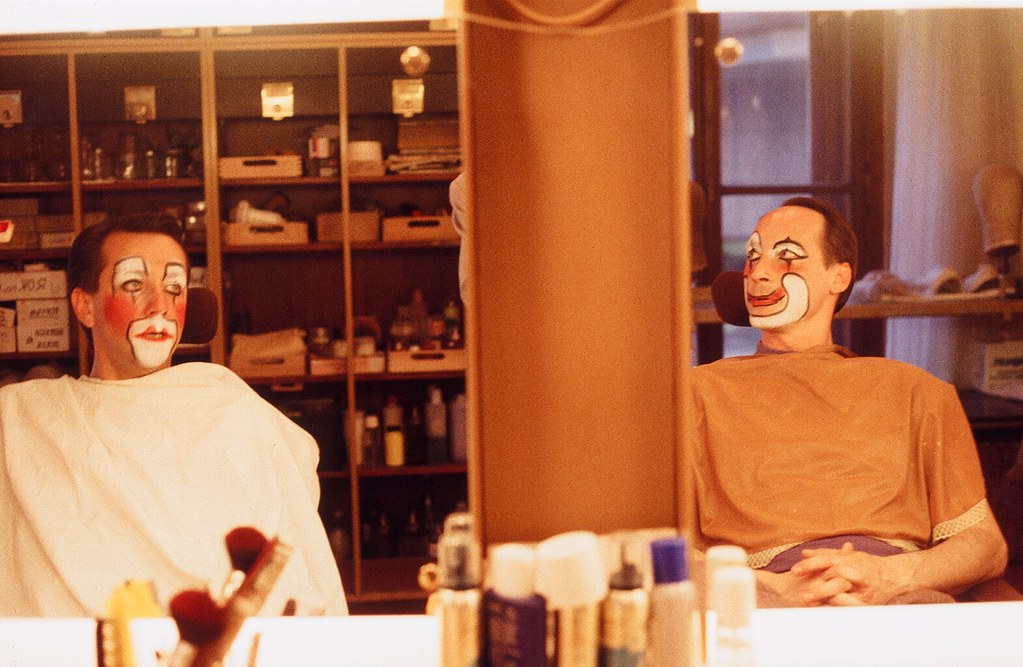
Dancer and opera singer Jaroslav Kantor of the Czech National Theater. Carrithers: 'Through the help of a fellow New Yorker named Bill Love, I was introduced to Kantor... He brought me into the Prague world of performers, opera singers and ballet dancers.' Photo by Robert Carrithers.
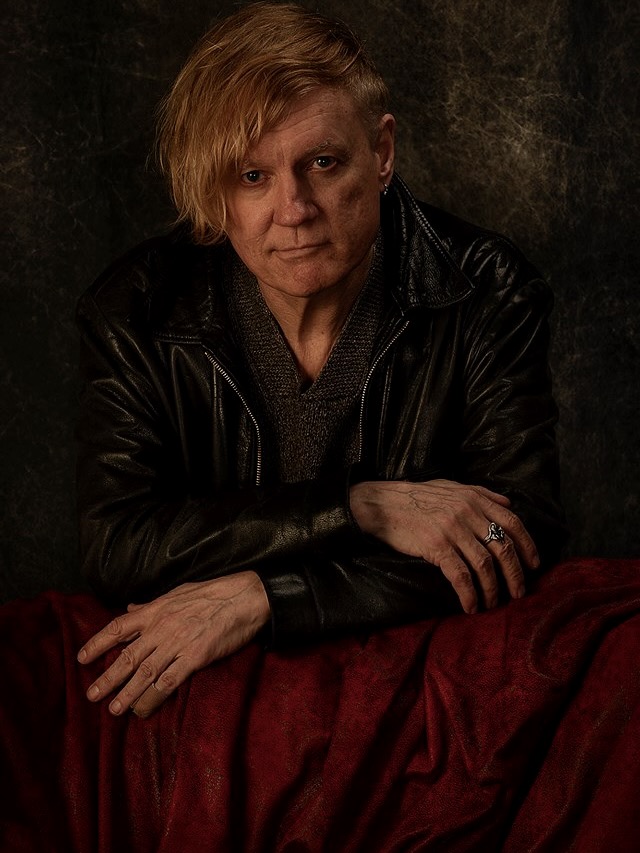
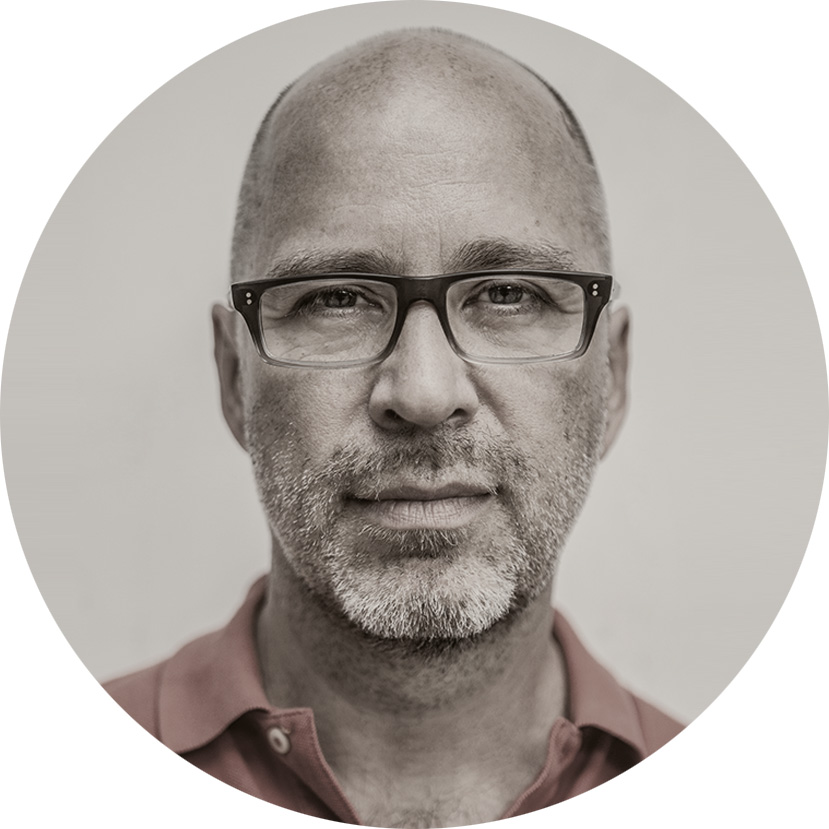
The man behind the camera. American photographer Robert Carrithers, pictured here around 2018. Carrithers: 'I first went to Prague in September 1990. I was supposed to go for two weeks and return to Berlin. I went back to Berlin two months later. It was then that Prague captured me.' Photo by Assem Al-Sabban.
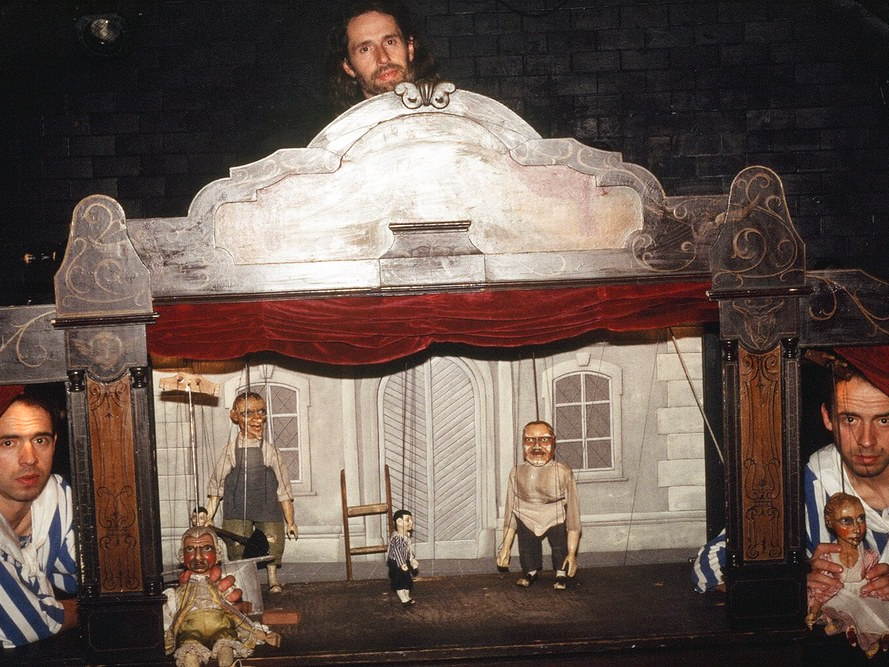
The Forman Brothers of the legendary theater of the same name, founded by Petr and Matěj Forman. Carrithers: 'It was 1994 and a friend enthusiastically pushed me into going to a marionette show. Czechoslovakia had always had a fascination with marionettes, but this was a new type of show... a comic performance called 'The Farmer, The Devil & The Crone.' I loved it so much I ended up taking other people to see it.' Photo by Robert Carrithers.
Photo of Mark Baker
About the author

Mark Baker

I’m an independent journalist, travel writer and author who’s lived in Central Europe for nearly three decades. I love the history, literature, culture and mystery of this often-overlooked corner of Europe, and I make my living writing articles and guidebooks about the region. Much of what I write eventually finds its way into commercial print or digital outlets, but a lot of it does not.

And that’s my aim with this website: to find a space for stories and experiences that fall outside the publishing mainstream.

My Book: ‘Čas Proměn’

In 2021, I published “Čas Proměn” (“Time of Changes”), my first book of historical nonfiction. The book, written in Czech, is a collection of stories about Central and Eastern Europe in the 1980s and early ‘90s, including memories of the thrilling anti-communist revolutions of 1989. The idea for the book and many of the tales I tell there were directly inspired by this blog. Czech readers, find a link to purchase the book here. I hope you enjoy.

Tales of Travel & Adventure in Central Europe
Mark Baker