A Piece of Vienna in Prague
I first stumbled onto Central Europe's café culture in the 1980s, when I lived in Vienna. I was a regular at Café Prückel, near my apartment, and Café Schwarzenberg, near my office. (Nothing much ever changes in Vienna, and both are still standing, looking much as they did back then.)
I loved the idea that a café could be more than a place for coffee or a meal. I felt naturally at home in these city "living rooms," simply hanging out, reading the paper from a 19th-century reading rack, or (occasionally) jotting down my thoughts in a notebook. (I wish I had down a lot more of this last bit.)
When I moved to Prague in the 1990s, I found remnants of that tradition. The two cities shared a Habsburg past, and Prague had its own rich café culture. Places like Café Slavia, Louvre and the now-demolished Union served as meeting rooms for generations of writers, artists and intellectuals. But Prague's cafés felt less central to the city's identity. If Vienna's natural meeting place was the café, Prague's was the pub.
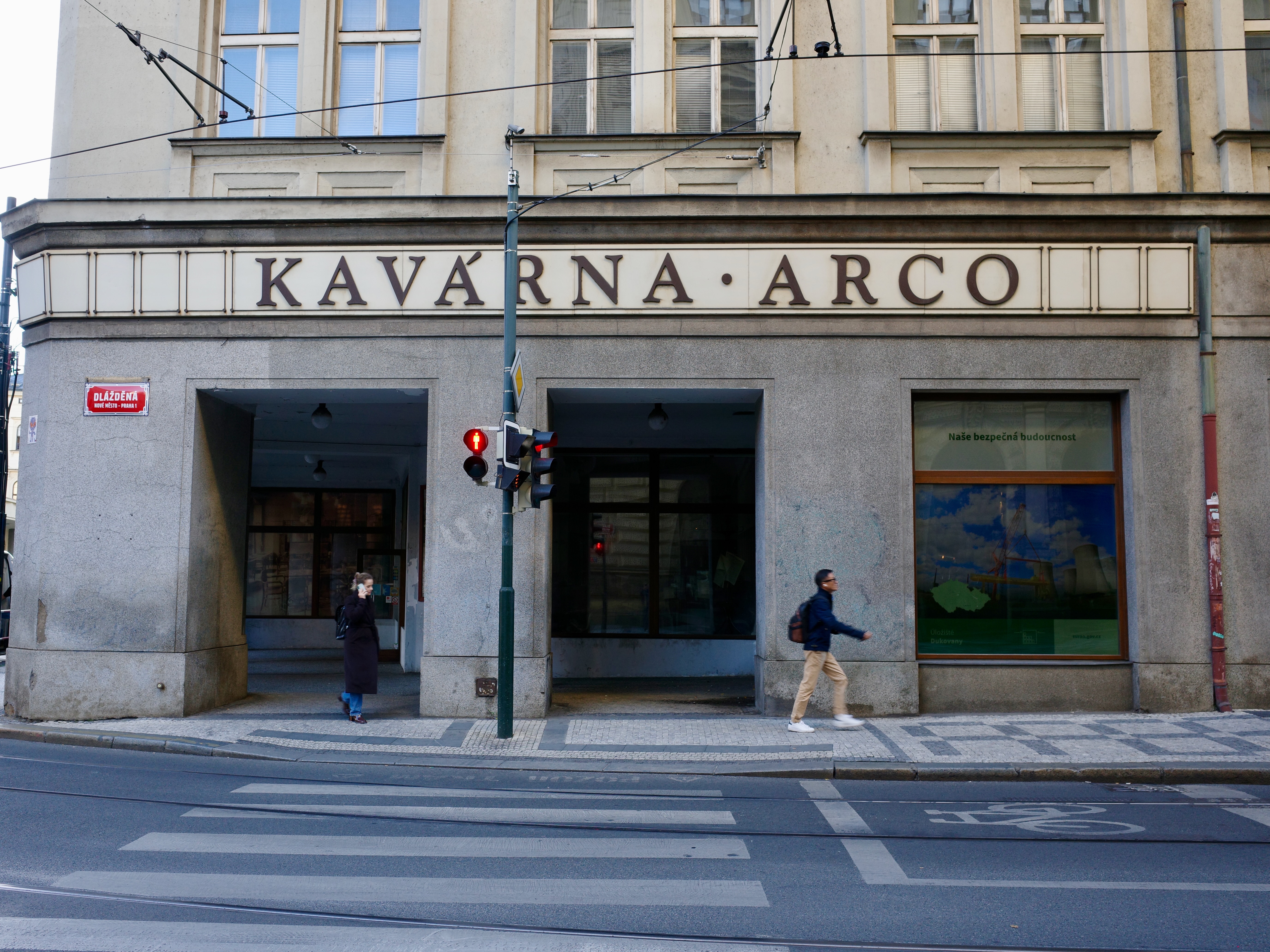
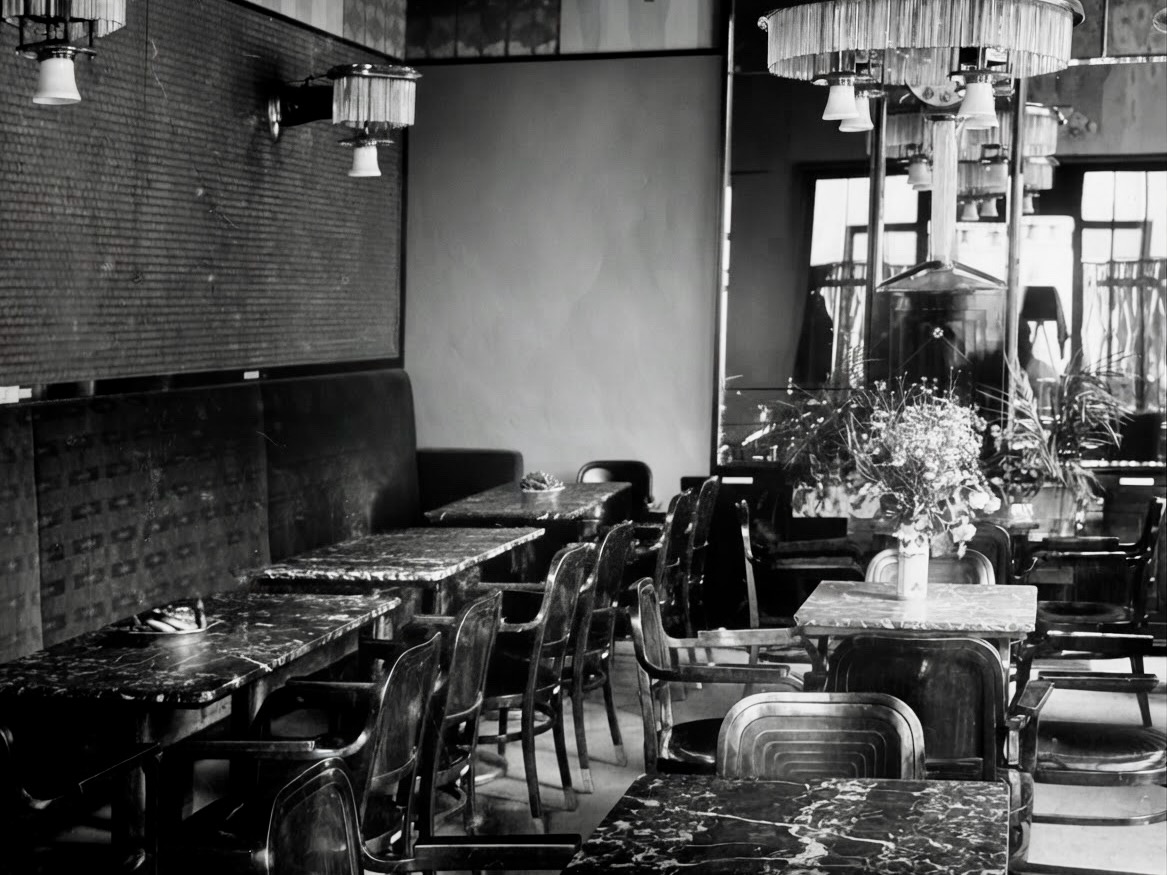
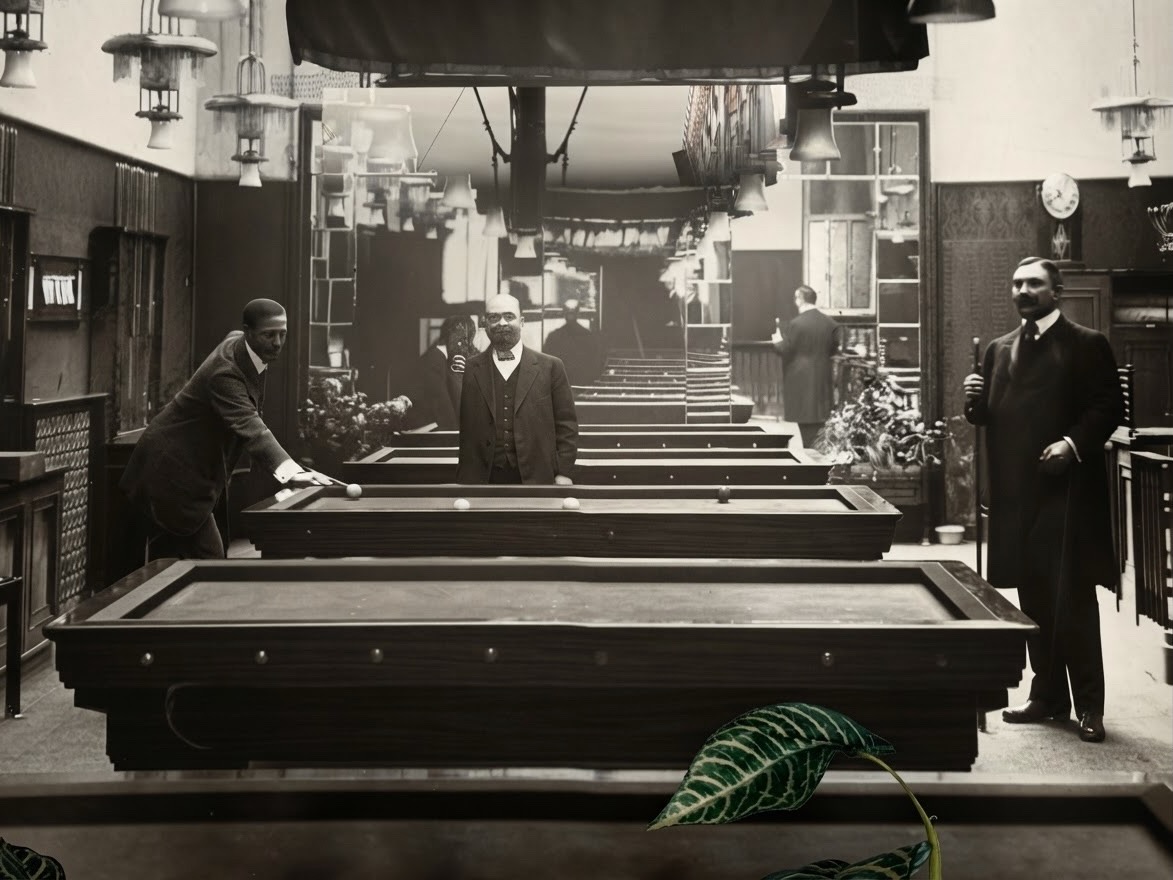
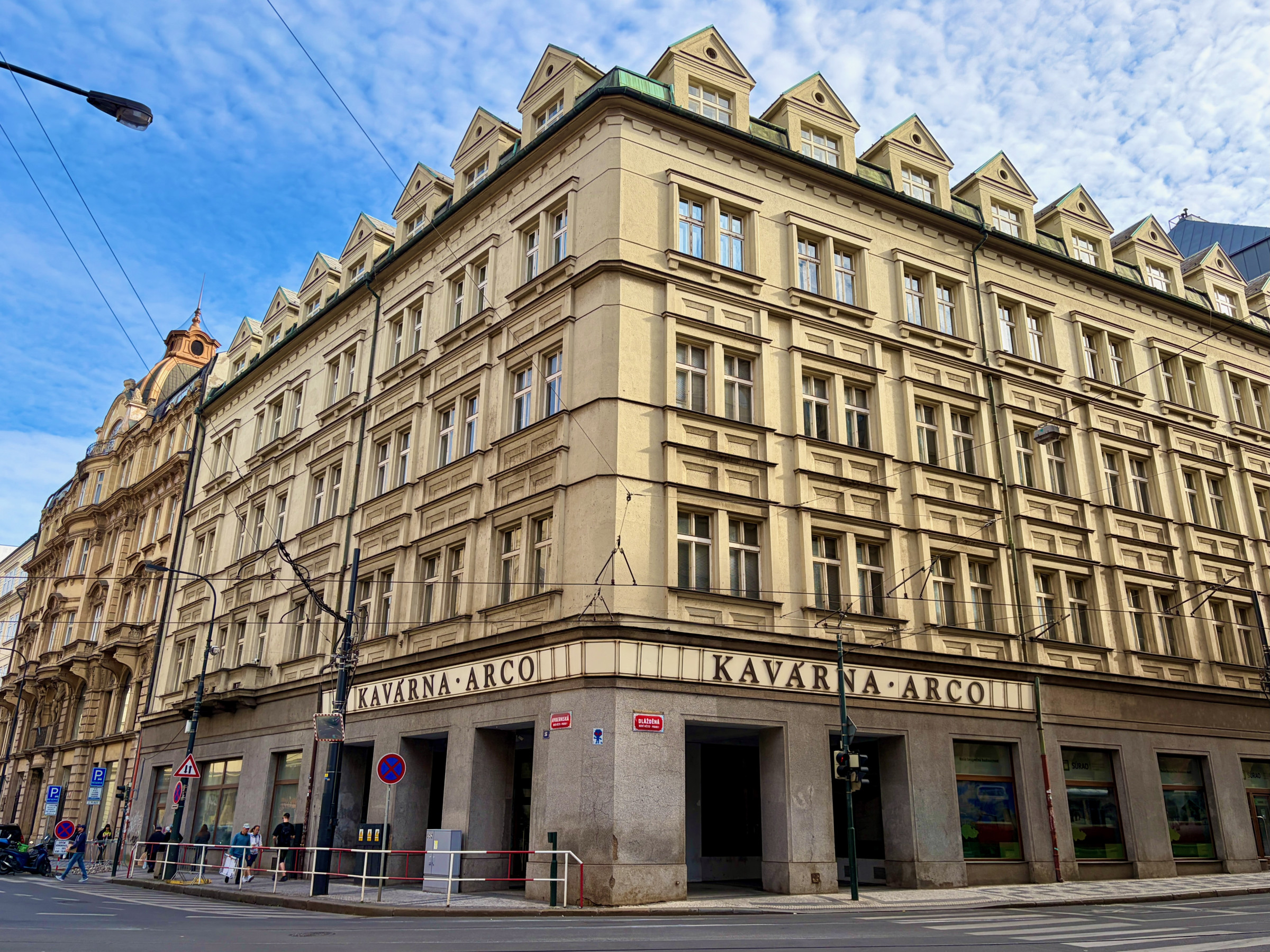
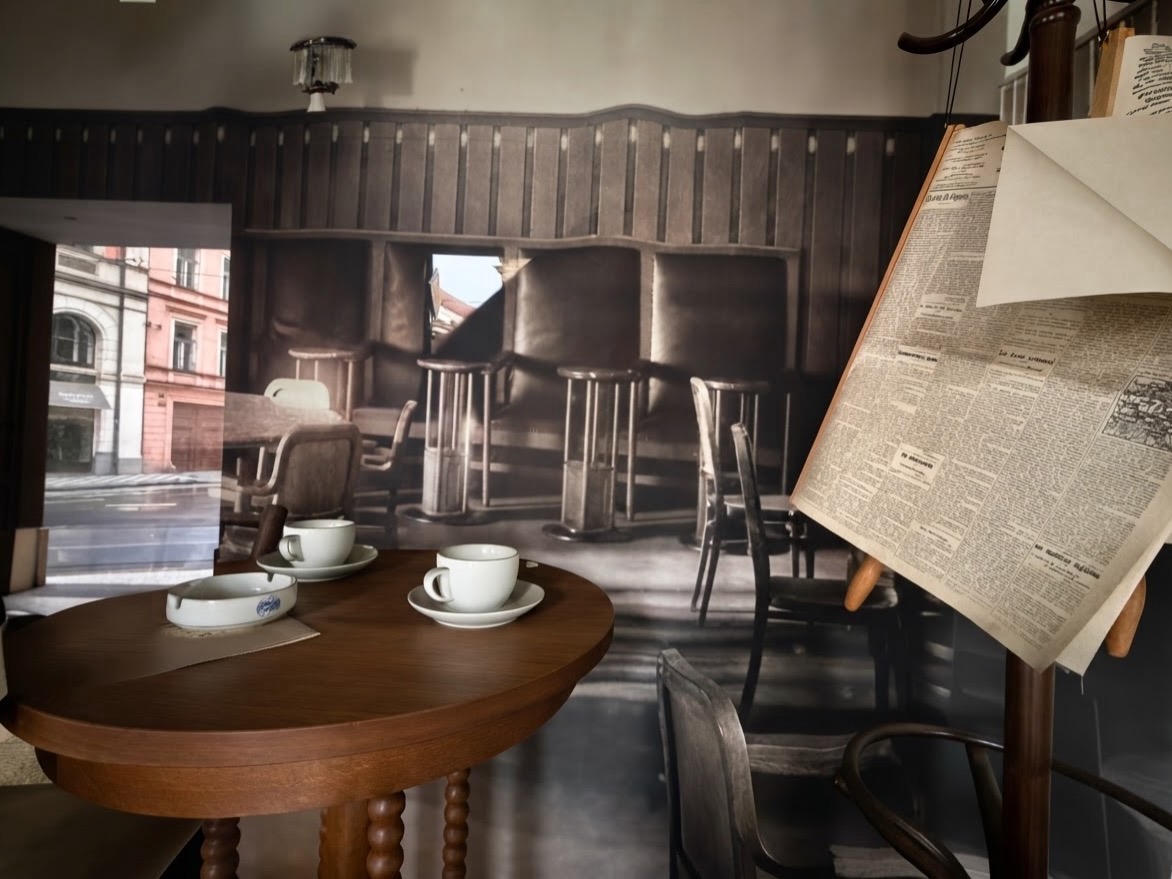
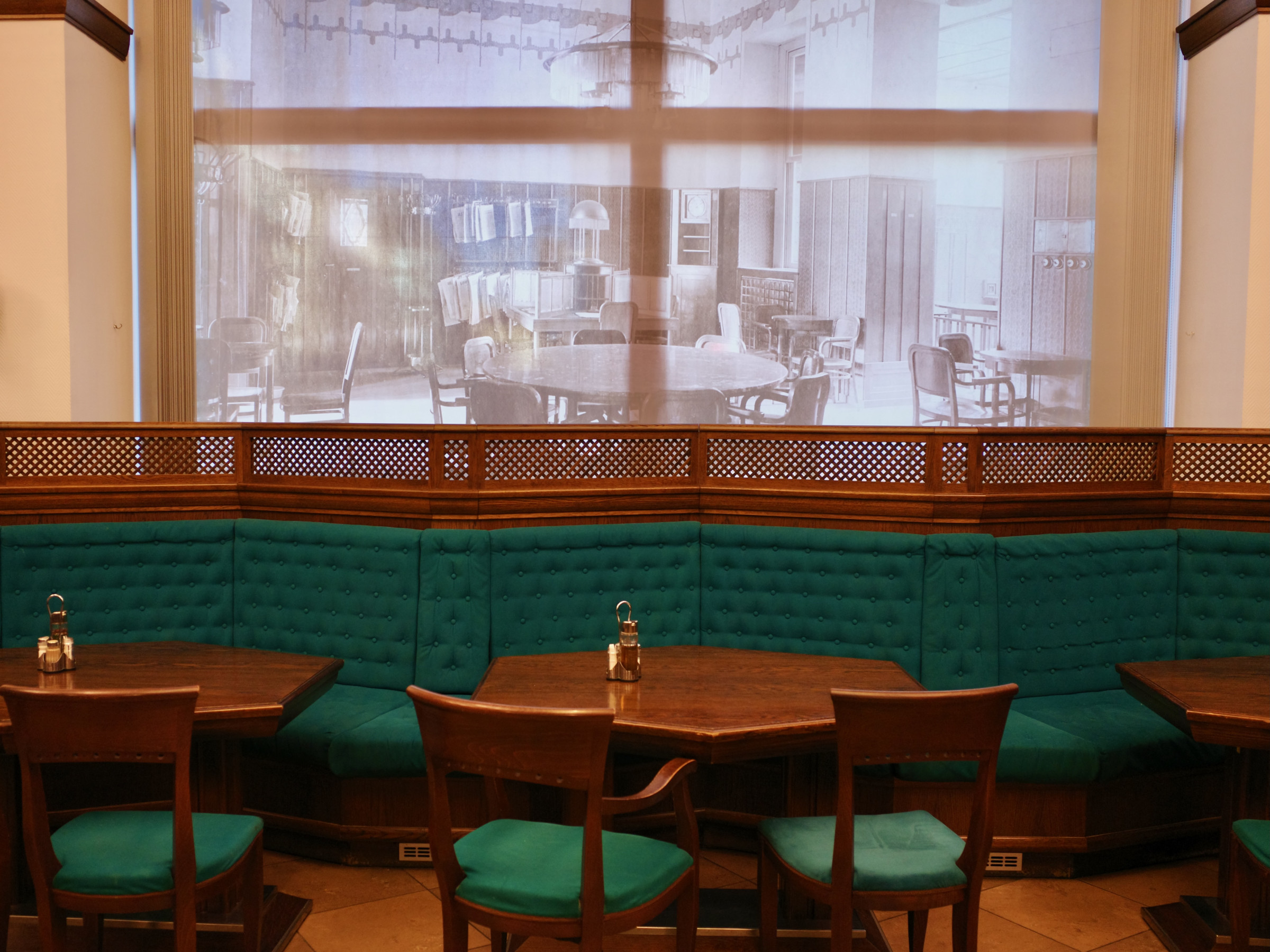
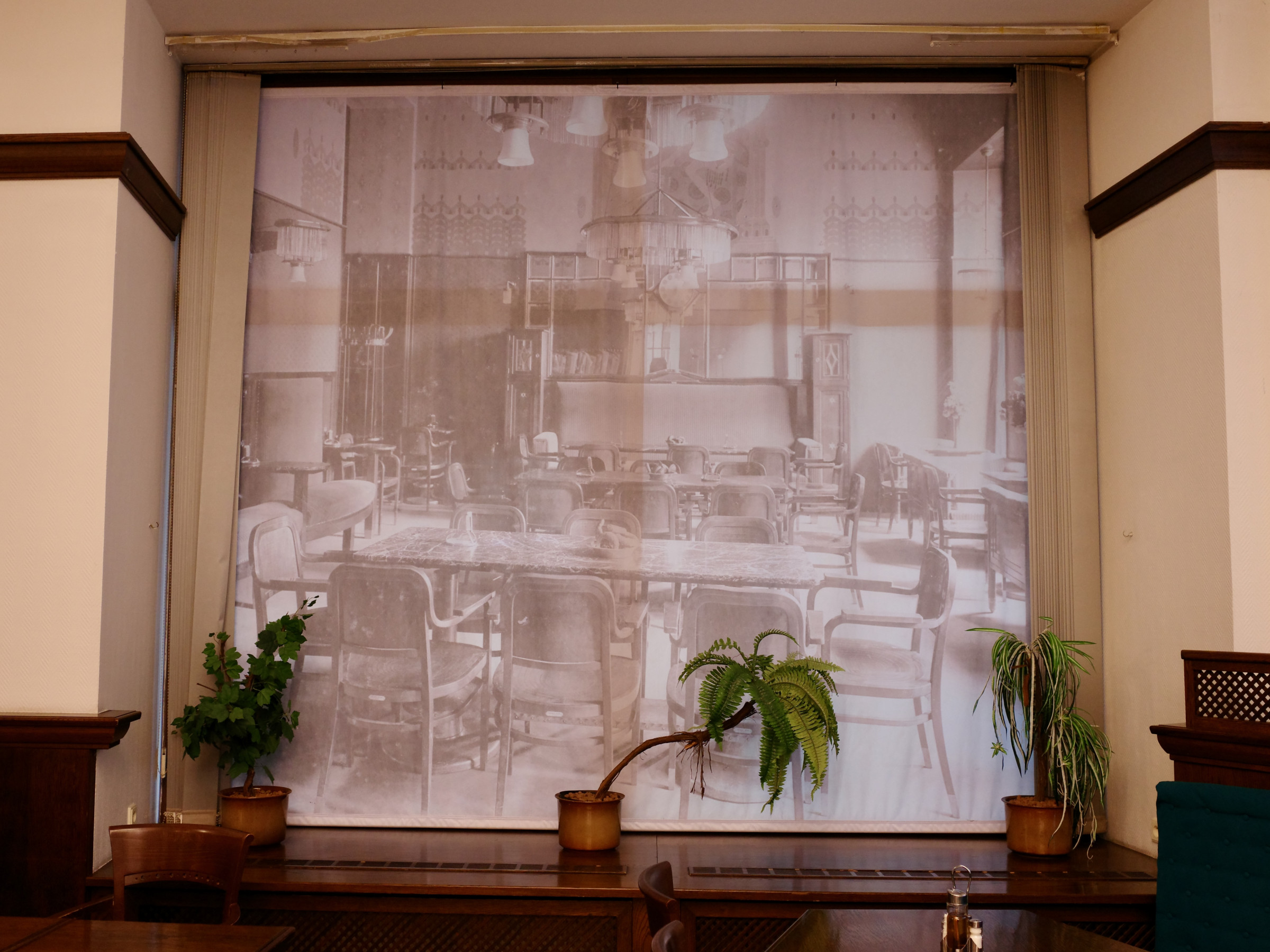
Arco was once part of that caffeinated universe. It opened in autumn 1907 at the corner of Hybernská and Dlážděná streets. Proprietor Josef Suchánek commissioned Czech architect Jan Kotěra to design a fashionable Viennese-style café with private seating cubicles, a billiard room and a reading room stocked with newspapers and foreign journals. A large round table dominated the main room.
Suchánek apparently took his responsibilities seriously. According to the Prague City Archives, he posted 23 rules governing guests' behavior. Tearing pages from newspapers was forbidden, and he offered a 100-crown reward for reporting an offender, provided he could pursue the culprit in court. I can remember tearing out a few pages myself back in Vienna.
Arco quickly became a gathering place for Prague's artistic and intellectual circles, although its first regulars weren't necessarily the people you might expect.
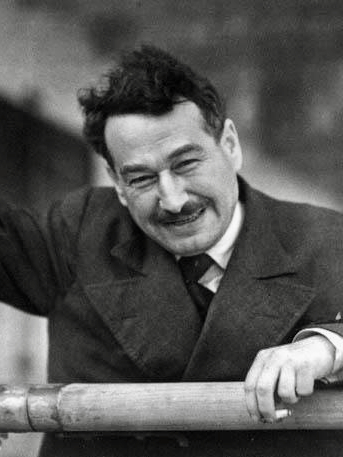
The ‘Arconauts’
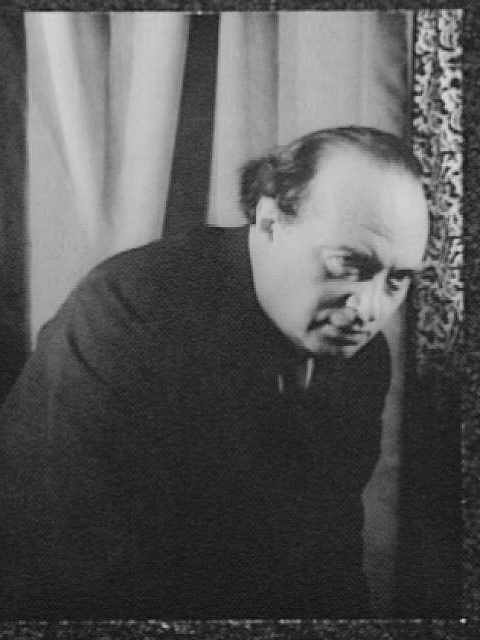
One surprise was discovering that Arco's early artistic regulars were mostly painters, not writers. Among them were members of Osma (The Eight), an avant-garde group founded in 1907 that brought together Czech and German-speaking artists, including Emil Filla, Bohumil Kubišta, Friedrich Feigl and Willi Nowak. The group helped introduce modern European painting to Prague, challenging the city's more conservative artistic establishment. At a time when Prague's cultural life was often divided along linguistic lines, Osma represented an unusual collaboration.
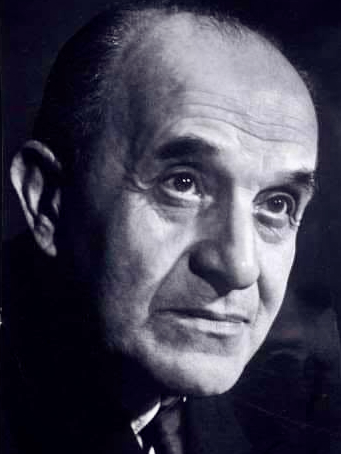
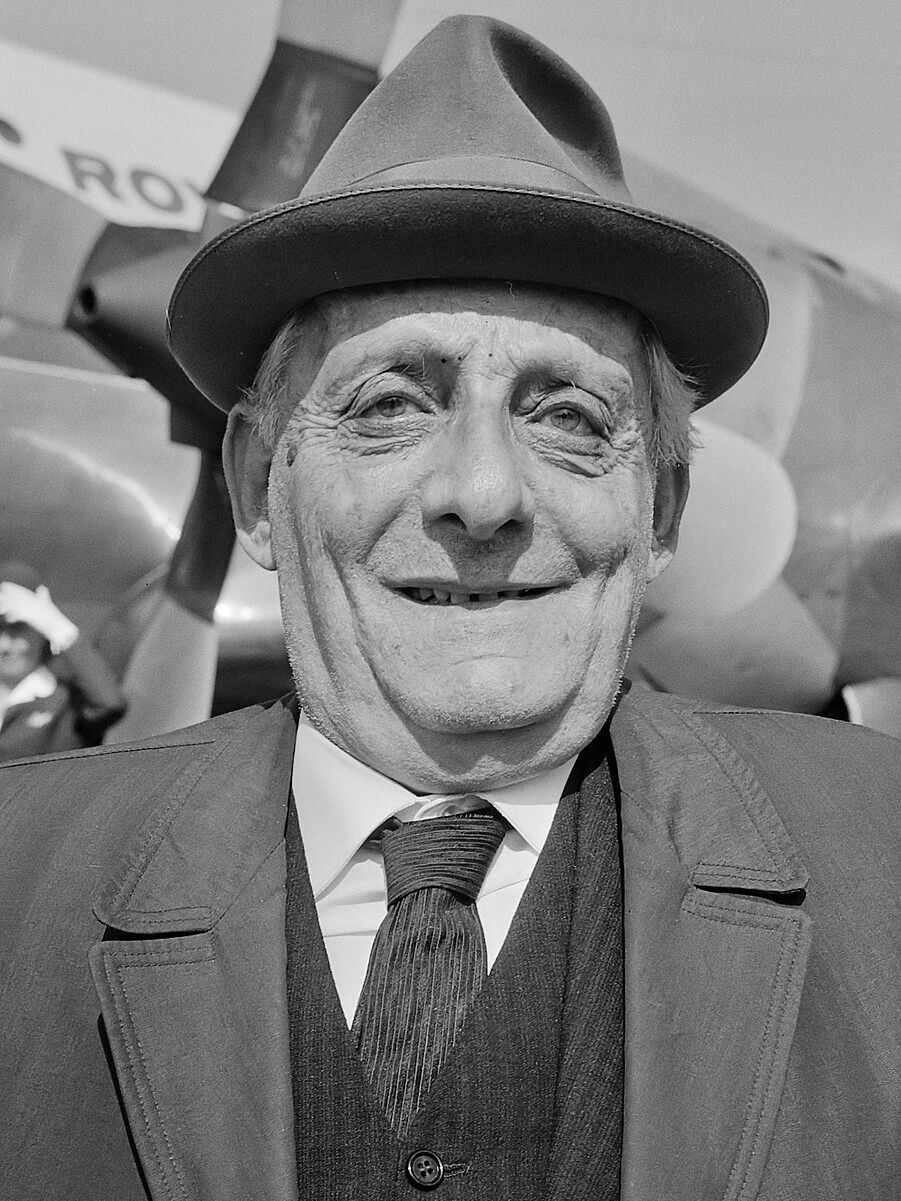
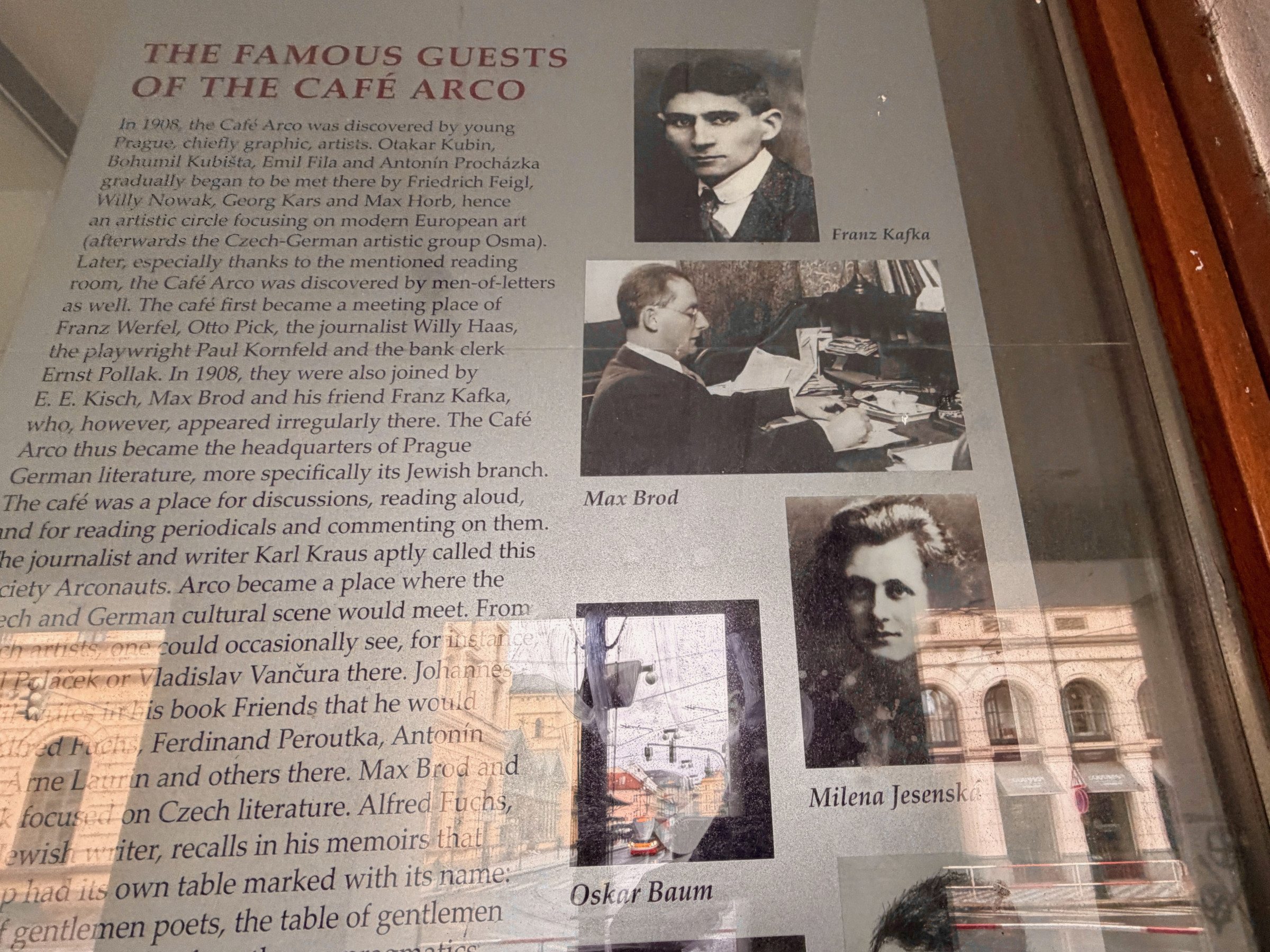
The writers soon followed. By around 1911, the young poet Franz Werfel had become a central figure in a lively German-language literary circle that included journalist and screenwriter Willy Haas, translator Otto Pick, playwright Paul Kornfeld and Ernst Pollak. Max Brod and fabled journalist Egon Erwin Kisch were familiar faces. Albert Einstein even apparently popped in from time to time. The Viennese satirist Karl Kraus, whom I knew of from my time in Austria, dubbed the crowd the "Arconauts," a name that stuck.
And what about Kafka? He's the name most associated with Arco today, but Kafka wasn't one of its most devoted regulars. He visited occasionally, often with his friend (and future publisher) Max Brod. Werfel and his younger literary companions were more central to the café's daily life.
I've always known about Prague's German-speaking Jewish writers, but the names and relationships tended to blur together in my mind. Researching this story on the Arco helped me sort them out. These weren't neatly separated communities of Czechs, Germans and Jews. Many Jewish intellectuals spoke German, some moved between languages, and the literary circles overlapped. Brod and Pick took a keen interest in Czech literature, while Czech writers and journalists sometimes joined in the conversations over at Arco.
When I mentioned my plans to write about Arco on Facebook, my friend Ivan Margolius shared a fascinating piece of family history. His grandfather, Ervín Bloch (1886–1944), was financial director of the Waldes Koh-i-Noor company and, according to Ivan, met at Arco with Max Brod, Franz Werfel and philosopher Felix Weltsch. Bloch also helped manage art purchases for the industrialist and collector Jindřich Waldes. Ivan recalled that painter František Kupka would visit the family to collect his fees and, while there, teach Ivan's mother, the writer Heda Margolius Kovály, to draw. It's a reminder of how intertwined Prague's literary, artistic and social circles could be.
I particularly enjoyed a recollection by journalist Alfred Fuchs: regulars occupied tables identified by their interests, including poets, constructivists, pragmatists and Christians. The head waiter, Pan (Mr.) Počta, apparently knew exactly where everyone belonged.
Changing Times
The Arconauts' reign didn't last long. World War I scattered the literary and artistic circles, and they never quite recovered their old cohesion.
Arco continued attracting artists and writers after World War I, though its renewed artistic heyday proved short-lived. By the 1920s, Prague's avant-garde had found new energy in movements like Devětsil (The Nine), whose members included poet Vítězslav Nezval, writer Jaroslav Seifert and theorist Karel Teige. Devětsil embraced the international avant-garde, experimenting with poetry, visual art, photography, theater and design. The city's artistic conversation was moving in new directions.
The café's decline is sometimes attributed to the death of its much-loved head waiter, Pan Počta, who was as important to its atmosphere as the writers themselves. Suchánek's death in 1929 marked another turning point. Arco remained open, but its literary days were largely behind it.
The Nazi occupation, World War II, the Holocaust and the postwar expulsion of most of Prague's German-speaking population transformed the city's cultural landscape. The world of the Arconauts effectively vanished.
The cafe survived, though not in a form its original patrons would have recognized. After the war, the Arco's elegant rooms were divided up, and part of the premises became a "fourth-class" pub, the lowest category in the communist-era restaurant classification system.
For a while, it seemed the café had reached the end of its story. But Arco wasn't quite finished.

Lunch with the Cops
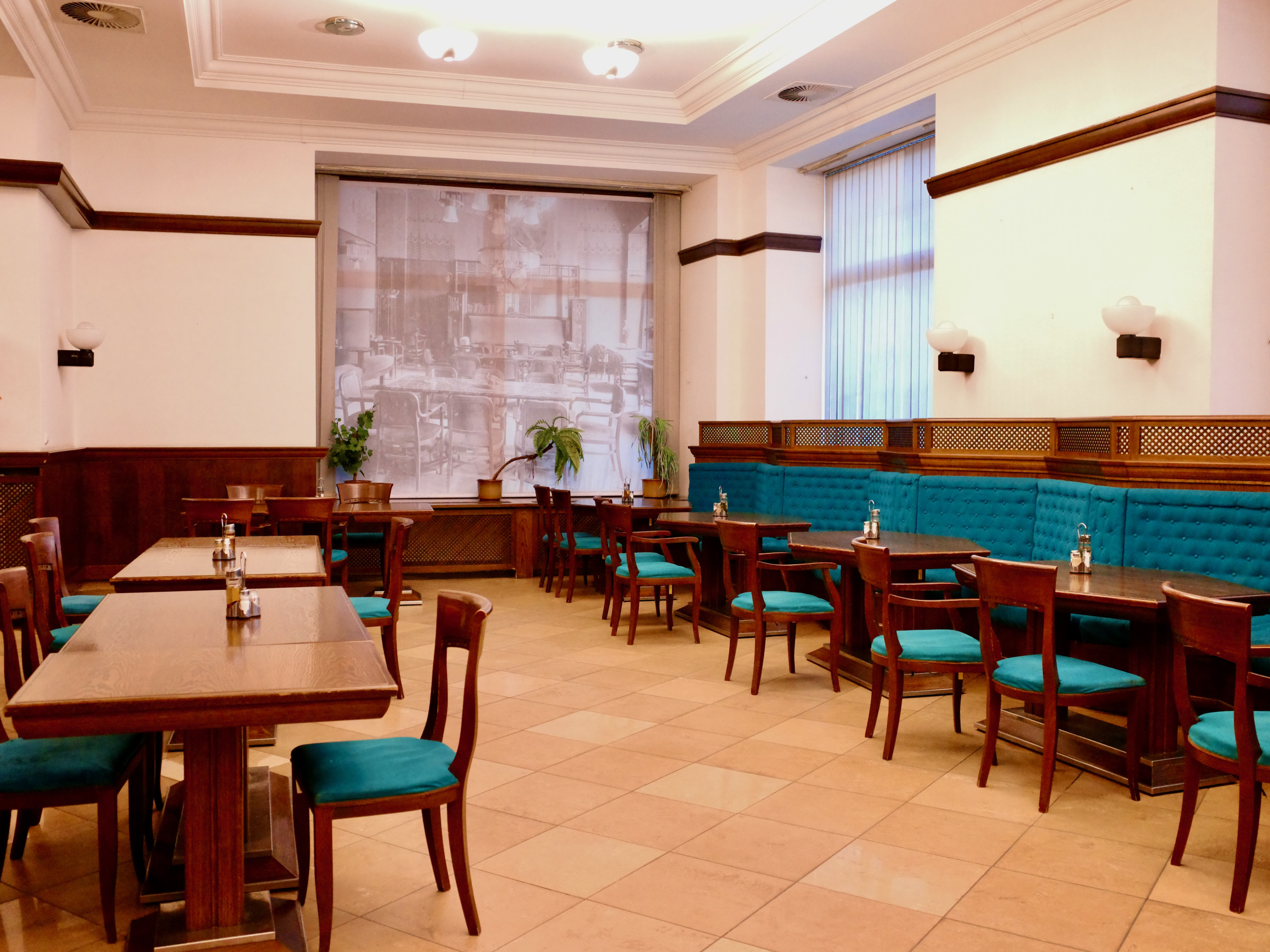
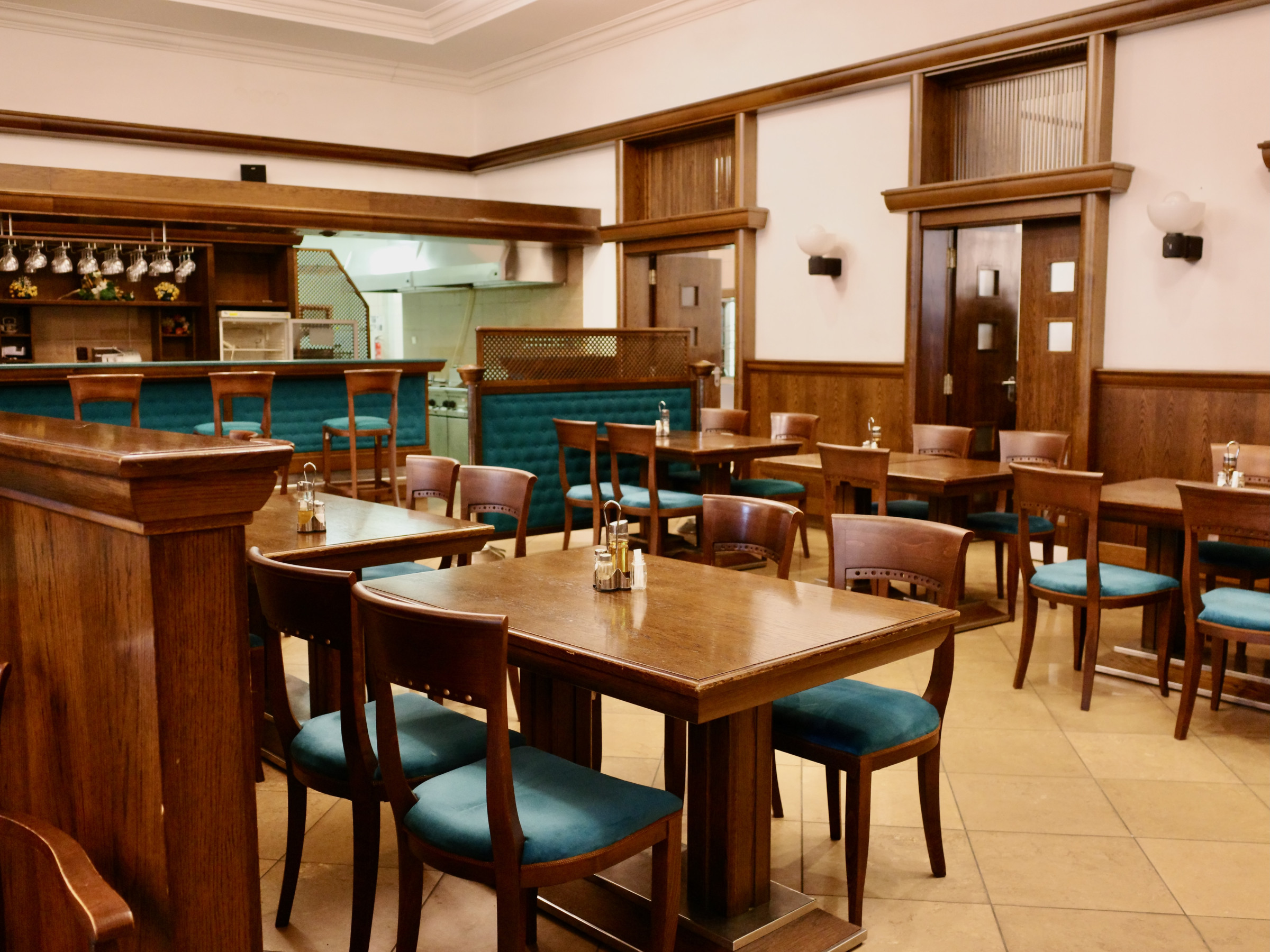
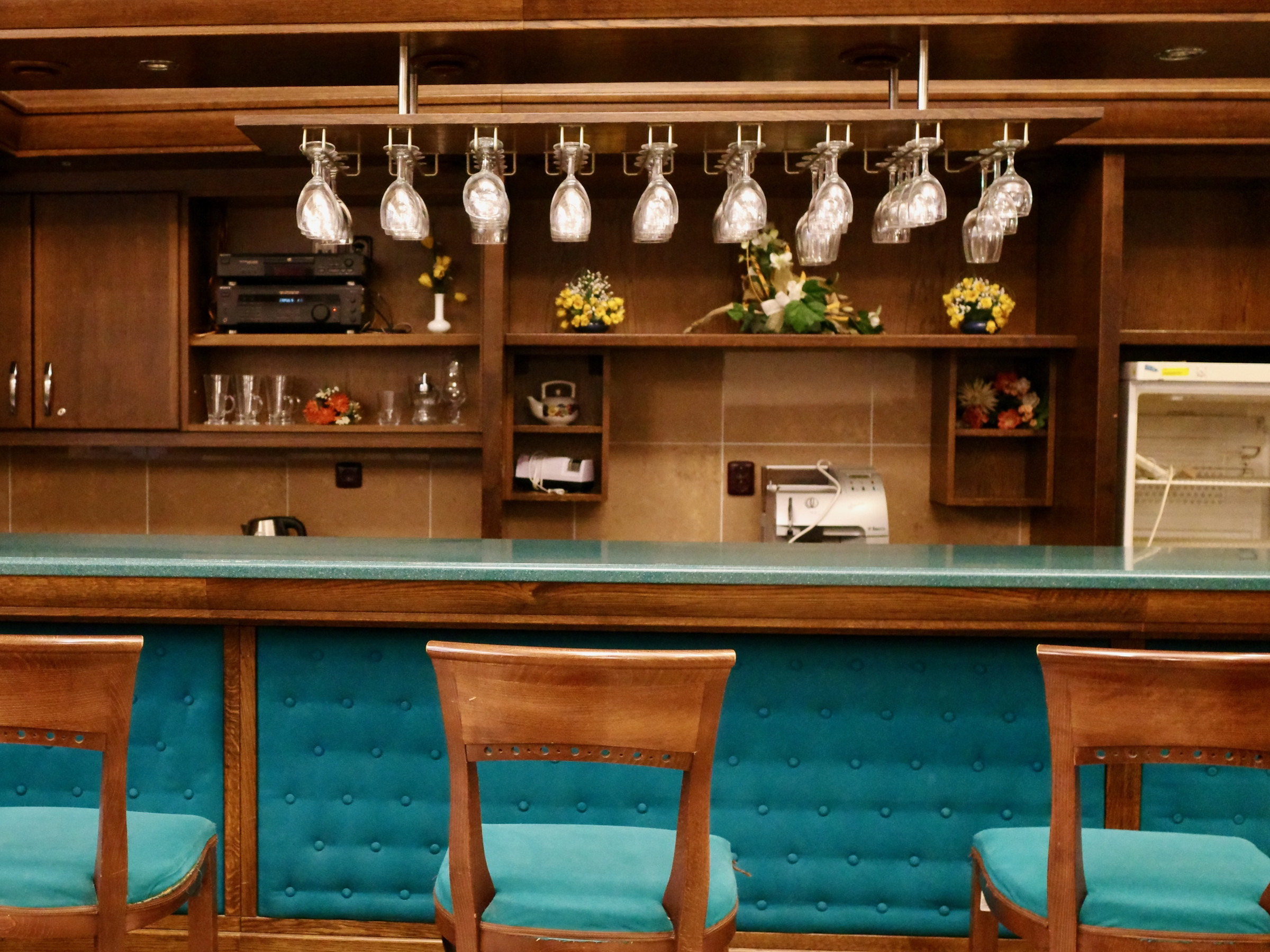
Arco's latest incarnation dates to around 2001, when it reopened after renovations as a cafeteria serving employees of the Czech police and Ministry of the Interior. The days of painters and writers debating the latest ideas were largely gone for good, but at least the building had found a new purpose.
That was the Arco I finally got to see last week. After walking past the café yet again, I decided to write to the Interior Ministry and ask whether I could have a look inside. I wasn't expecting a reply, but the powers that be seemed happy to show the place off. We settled on an early-morning visit, before the lunch crowd arrived. No one (least of all me) wanted to walk around taking photos of tables full of cops.
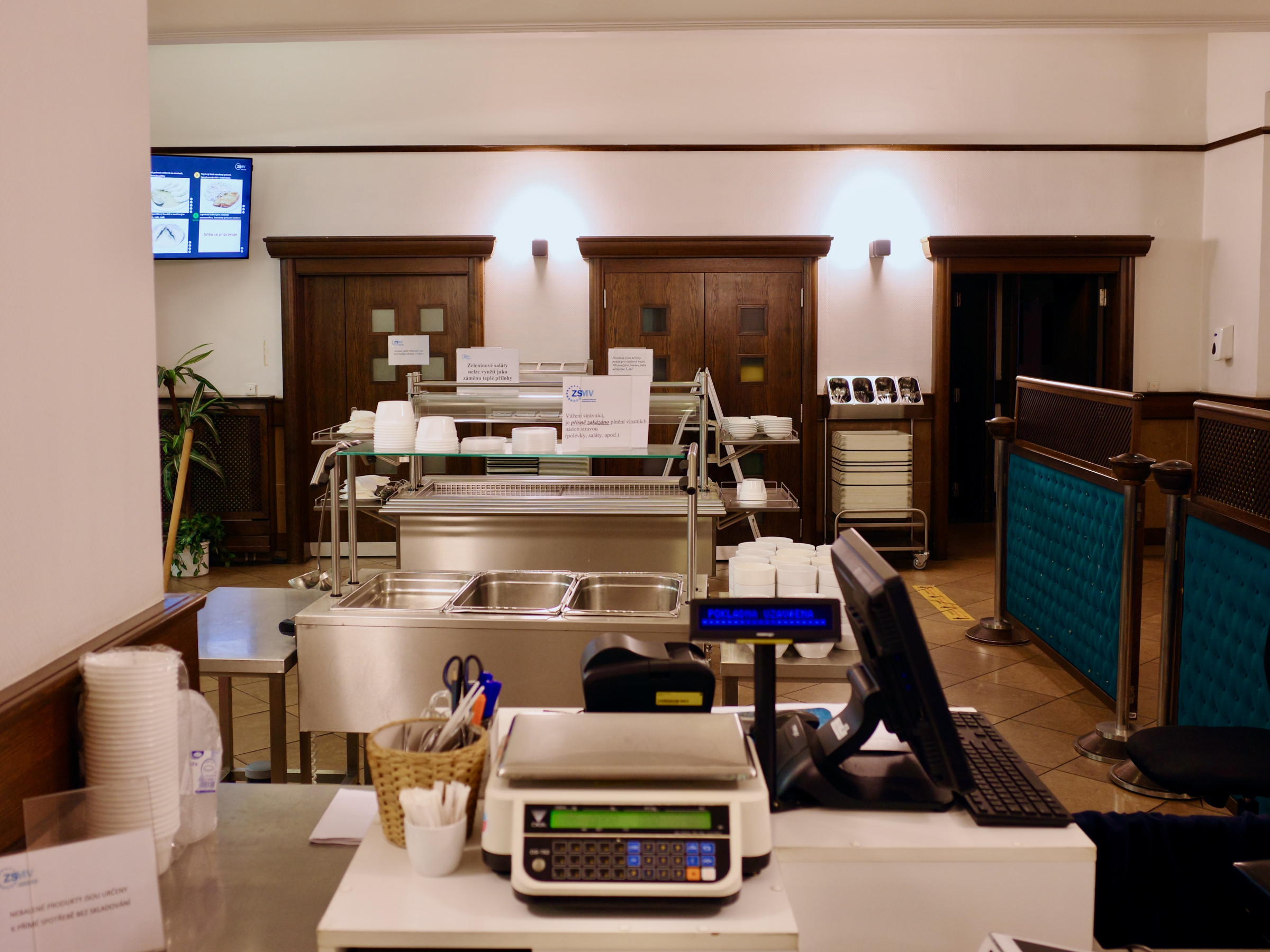
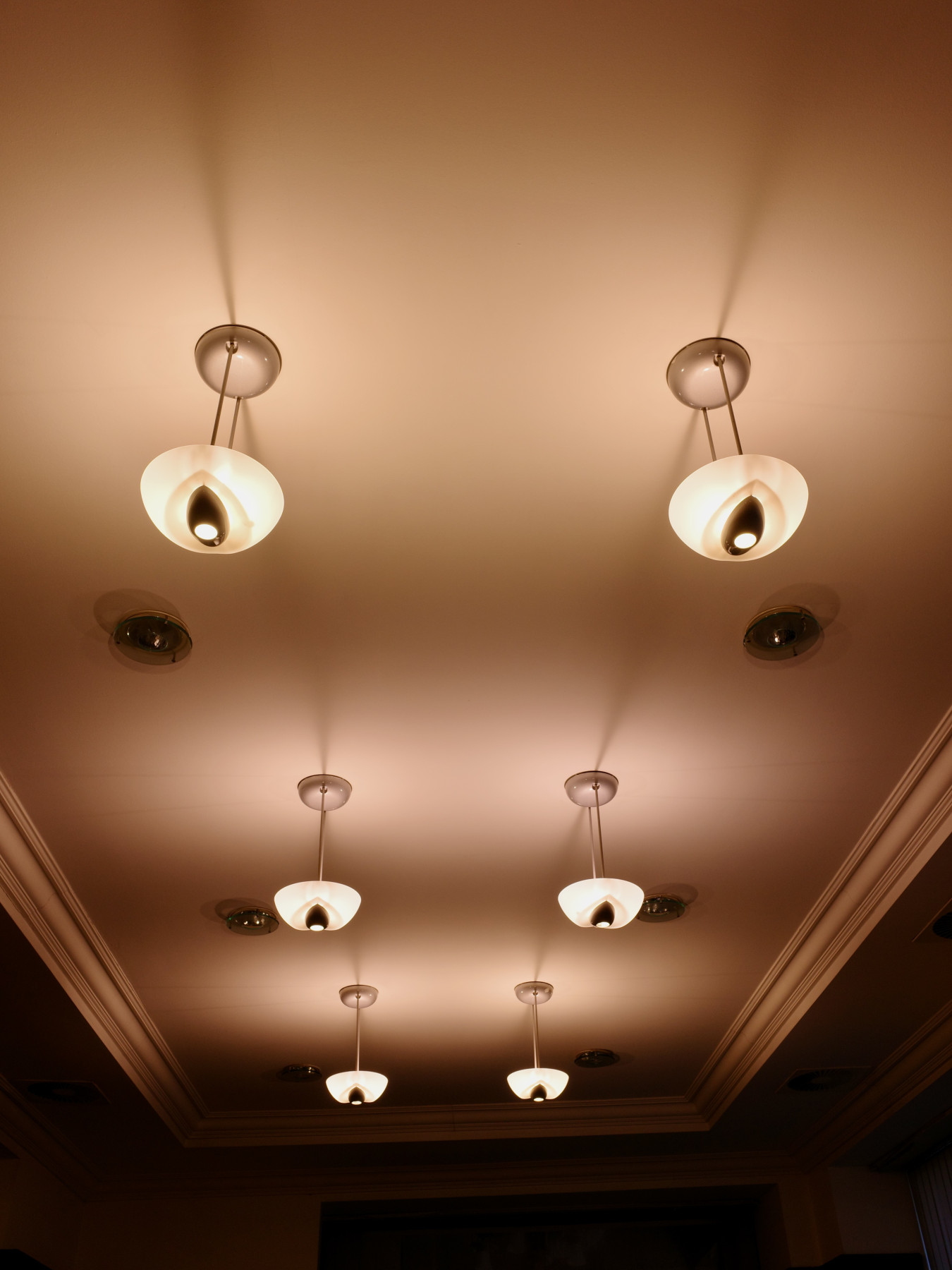
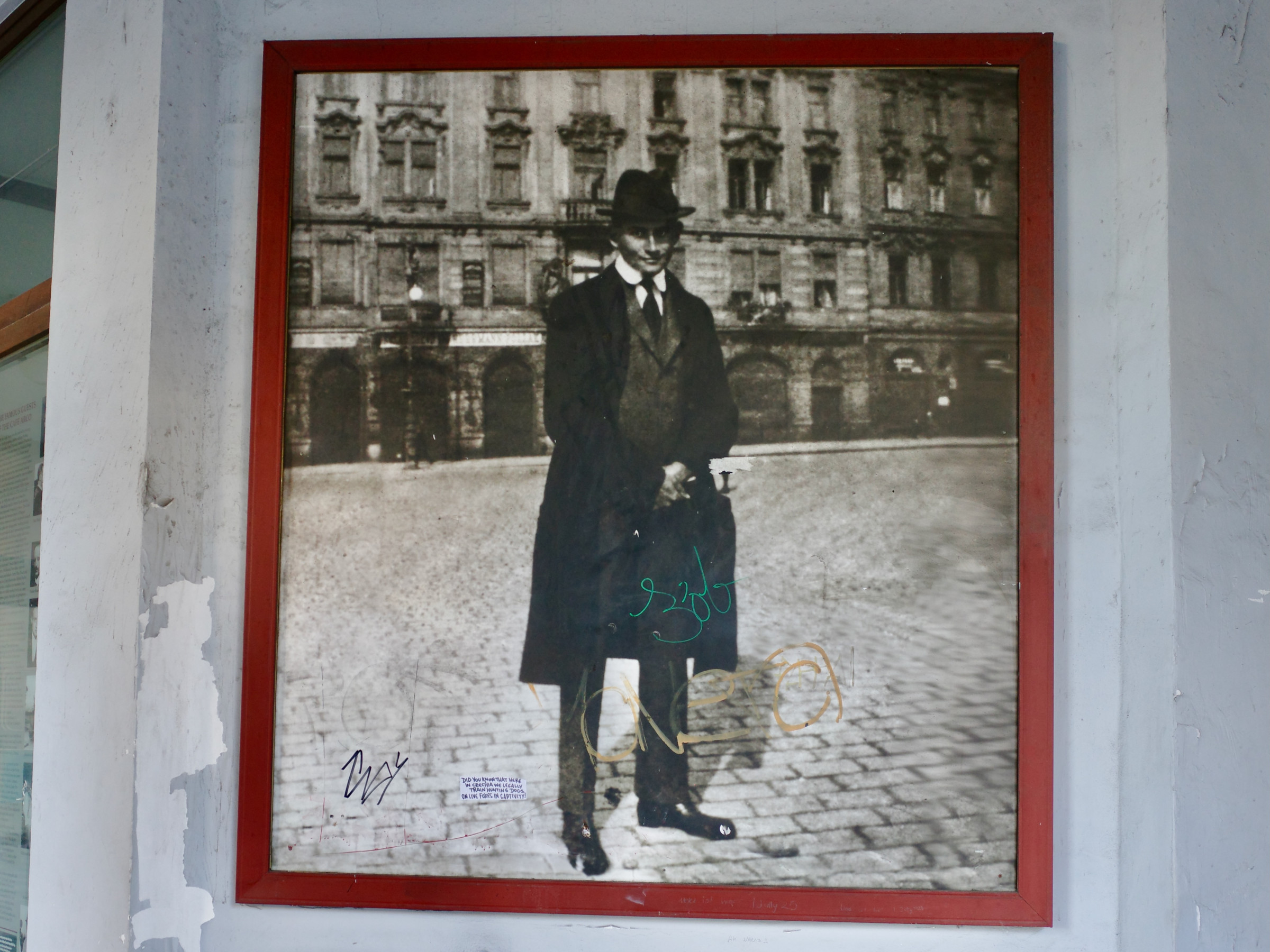
Even at 8:30 a.m., the first thing I noticed was the scent of cooking oil and frying onions drifting over from the kitchen -- the unmistakable odor of Czech institutional cooking. I was a little dejected to find that much of the original interior had given way to a blander brown-and-dark-blue-green makeover. Not much about the setting screamed Jan Kotěra. Above the banquettes, though, giant photographic reproductions of the original café offered diners a reminder of what the room once looked like. The crew giving me the impromptu tour couldn't have been friendlier or more enthusiastic.
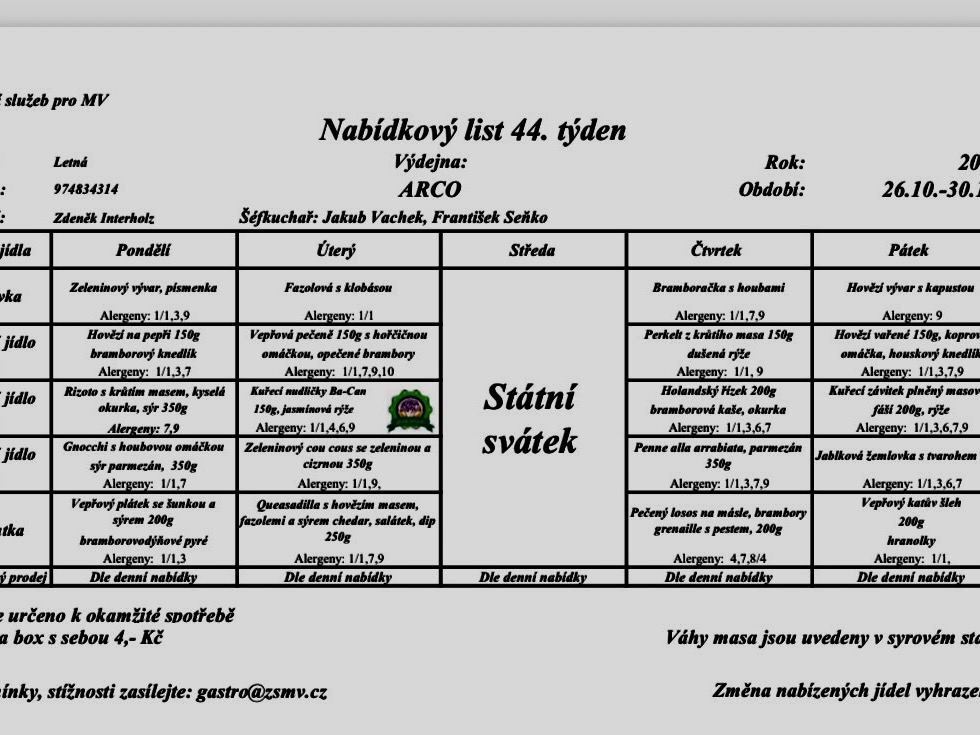
The menu was probably what one would expect: beef with dill sauce and bread dumplings, roast pork, and potato pancakes. Nothing particularly literary, but perfectly respectable lunch fare. I could imagine the old regulars settling in for something hot before resuming their arguments.
Today, the premises belong to the Czech police, while the Interior Ministry's service organization operates Arco as a cafeteria. Despite its institutional clientele, it's open to the public, serving lunch from 11 a.m. to 1:30 p.m.
It's unclear what the future might bring. The neighborhood, anchored by Masarykovo nádraží (train station) and the futuristic Masaryčka office complex designed by Zaha Hadid Architects, is rapidly moving upscale. It's not hard to imagine some future entrepreneur reopening Arco as a fashionable café, with a nod to its storied past. The main task then would be finding a place for the local cops to have a reasonably priced lunch.
(Keep scrolling past the map to see more photos.)
(Did you enjoy this story and want to add your own comments, or perhaps correct something I didn't get right? Write me at bakermark@fastmail..com.)