The year was 1951. Czechoslovakia’s Communist Party, backed by the Soviet Union, had been in power for three years. Soviet leader Josef Stalin was still alive and still appeared invincible. Czechoslovakia’s own communist leader, Klement Gottwald, had spent the war years in Moscow and was a keen admirer of all things Soviet. Though Gottwald lacked Stalin’s absolute power, he enthusiastically imported the Soviet dictator’s political structures, personality cult and brutal methods of repression.
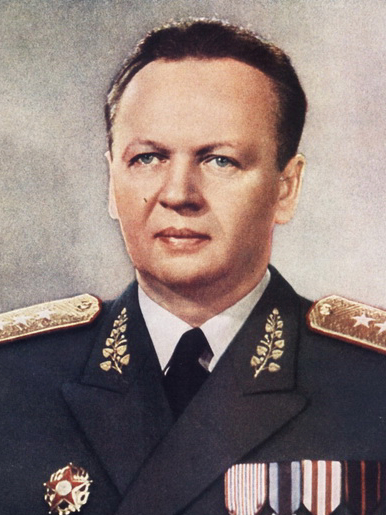
Such was the political climate when Gottwald’s son-in-law, Alexej Čepička, Czechoslovakia’s then-minister of national defense, proposed building a new prestige hotel in Prague. The project would be known as the "Hotel Družba" (Friendship). Its primary purpose would be to accommodate high-ranking military officers and official delegations, chiefly from the Soviet Union, in the heroic style to which they had become accustomed. The message could hardly have been clearer: nothing demonstrated loyalty to Moscow better than building a monument to Soviet power. And in 1951, no one wanted to find themselves on Stalin’s wrong side.
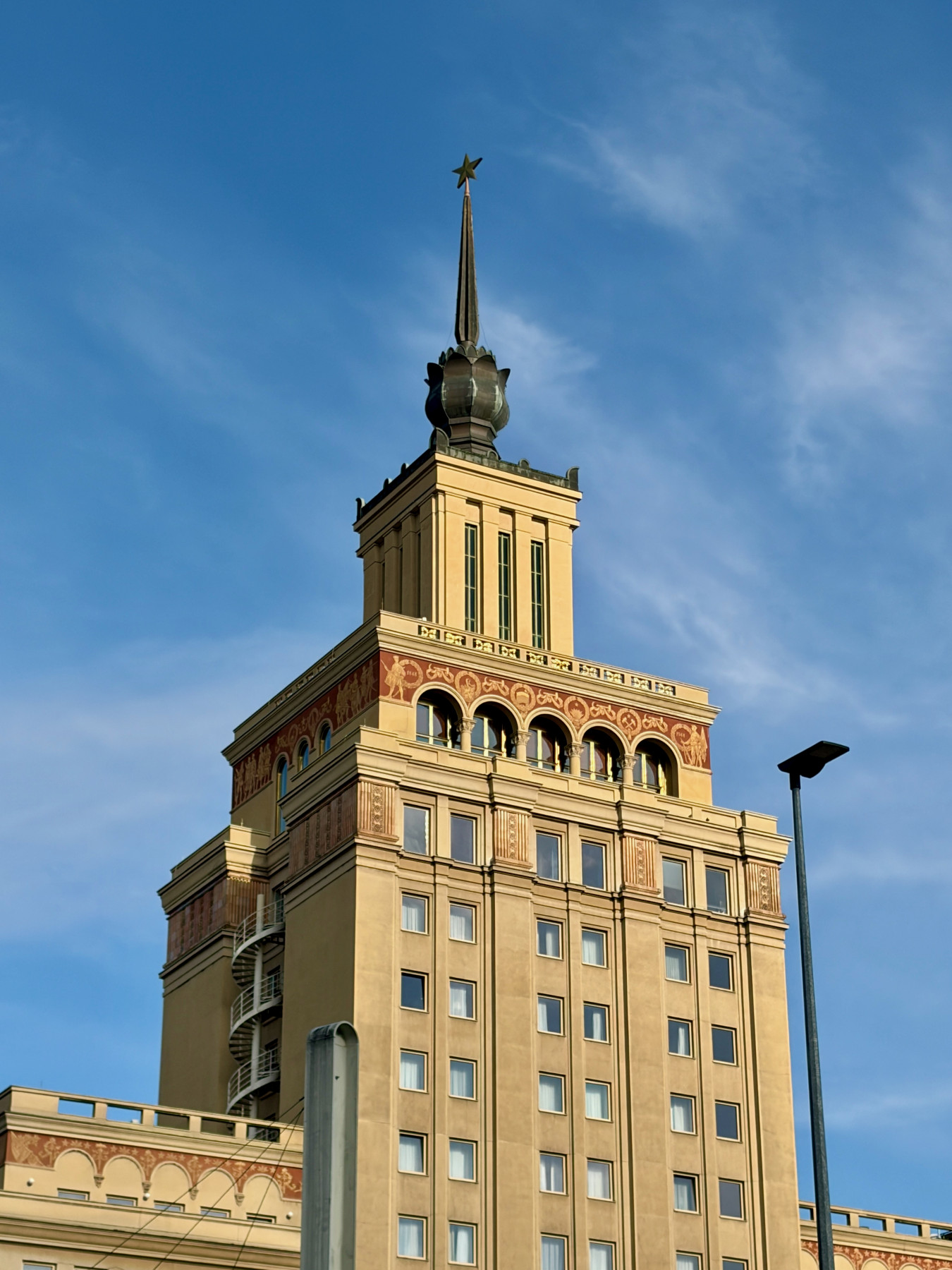
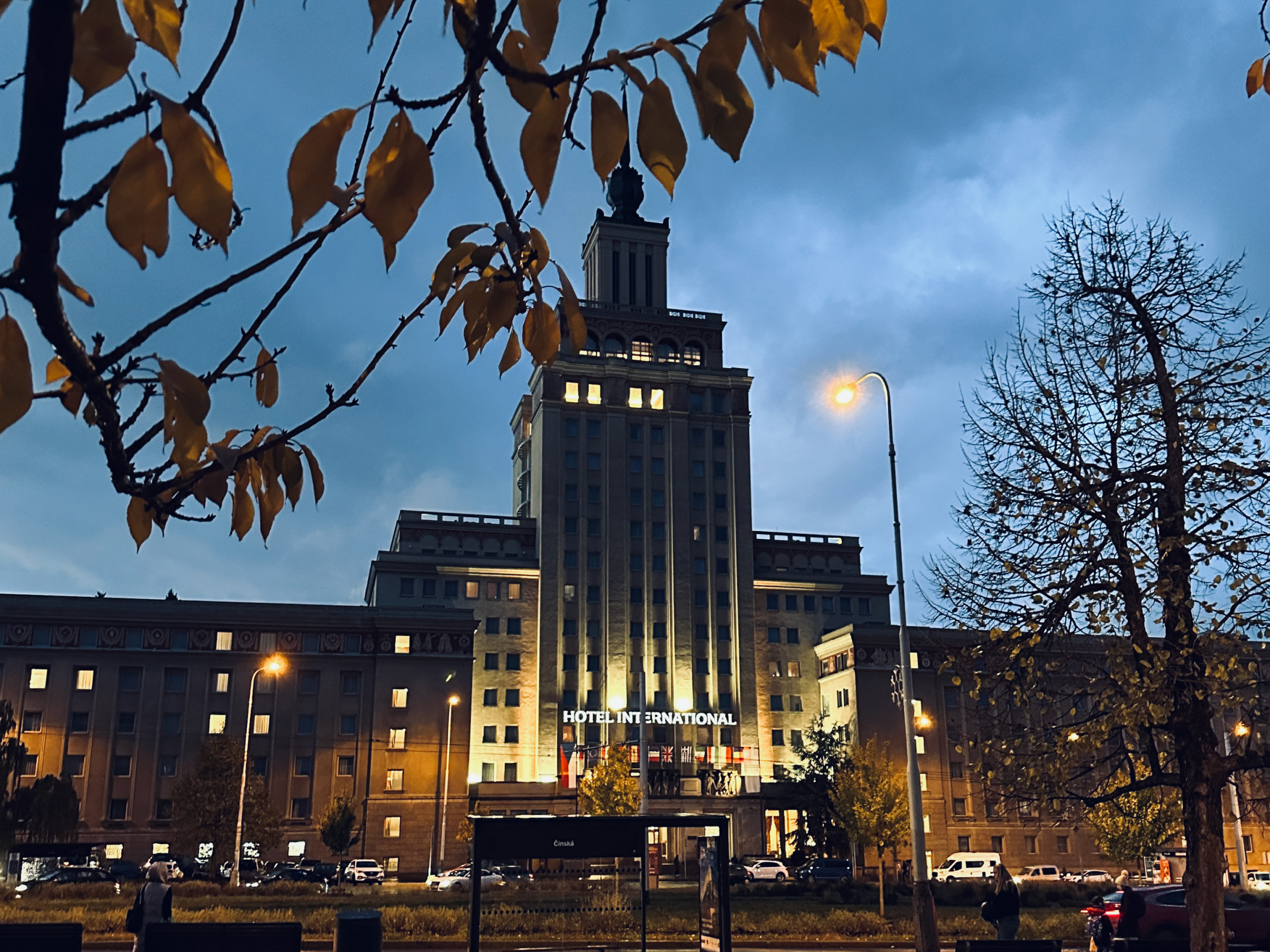
The next big decision was where to place this new hotel. The original plans called for a site on Prague’s prestigious Vítězné náměstí (Victory Square), northwest of the city center. Anyone who’s ever been to Prague will recognize this "square" as the giant circle that taxis and Ubers must negotiate when driving to and from Prague Airport. Between the world wars, Vítězné náměstí had served as the center of one of Prague’s great planned urban spaces and was, in theory, an ideal spot to showcase the country’s new allegiance to the USSR. The problem was that the square was judged to be perhaps too close to Prague Castle. The hotel’s planned 88-meter-high tower might compete for attention with the castle and the spires of St. Vitus Cathedral. The planners would have to come up with something different.
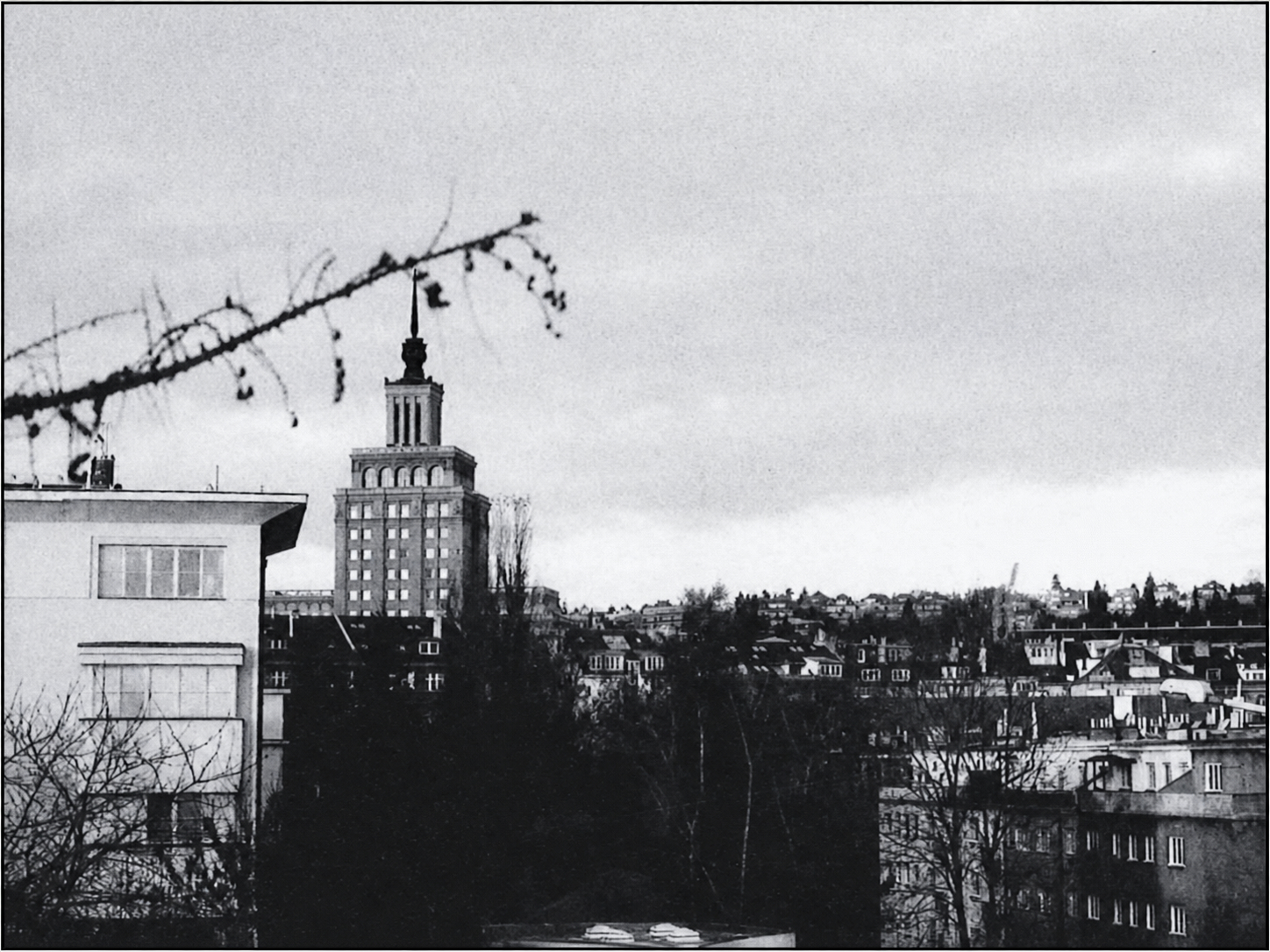
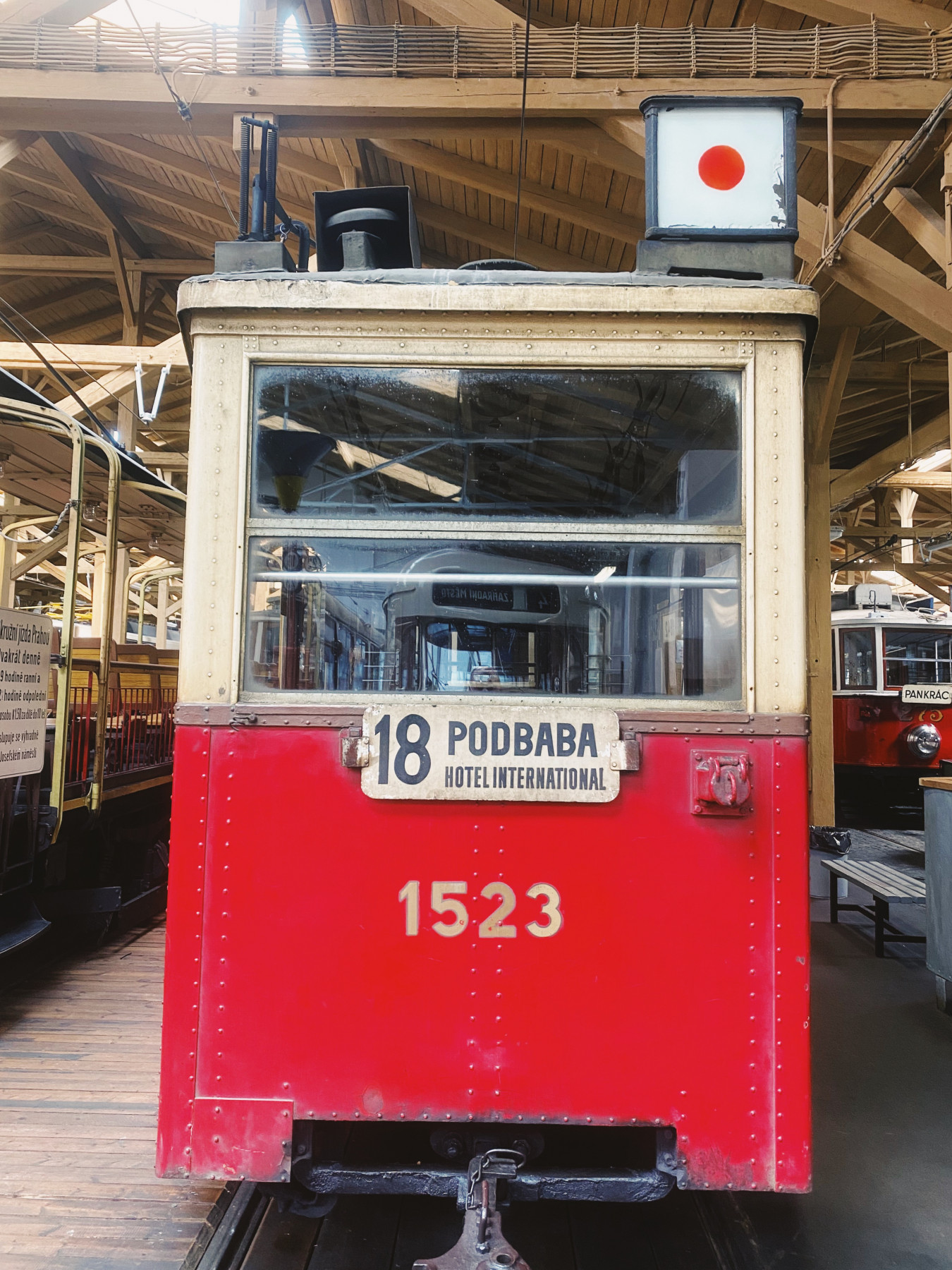
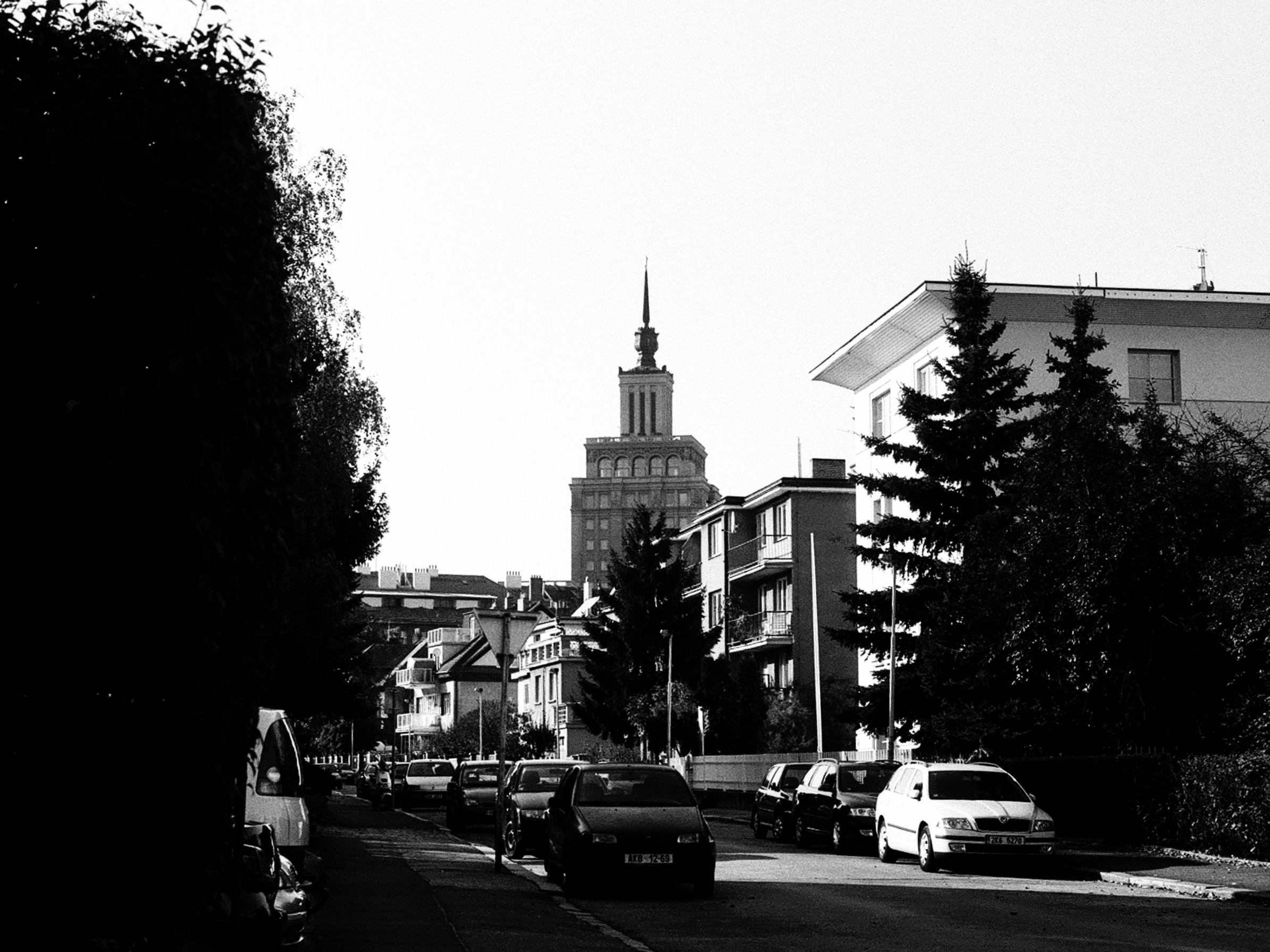
After some lengthy deliberations, the leadership decided on an alternate location, about a kilometer north of Vítězné náměstí, in a relatively remote district called Podbaba (my hood, as it turns out). The Podbaba site had two big advantages: it sat at a lower elevation than Vítězné náměstí (so no problem with the tower), and the area already had strong connections to the military. The problem was that Podbaba -- back then and even now -- was something of a backwater. To outside observers, it might have looked as though the planners were trying to hide the new hotel. This was obviously not any impression they were hoping to give.
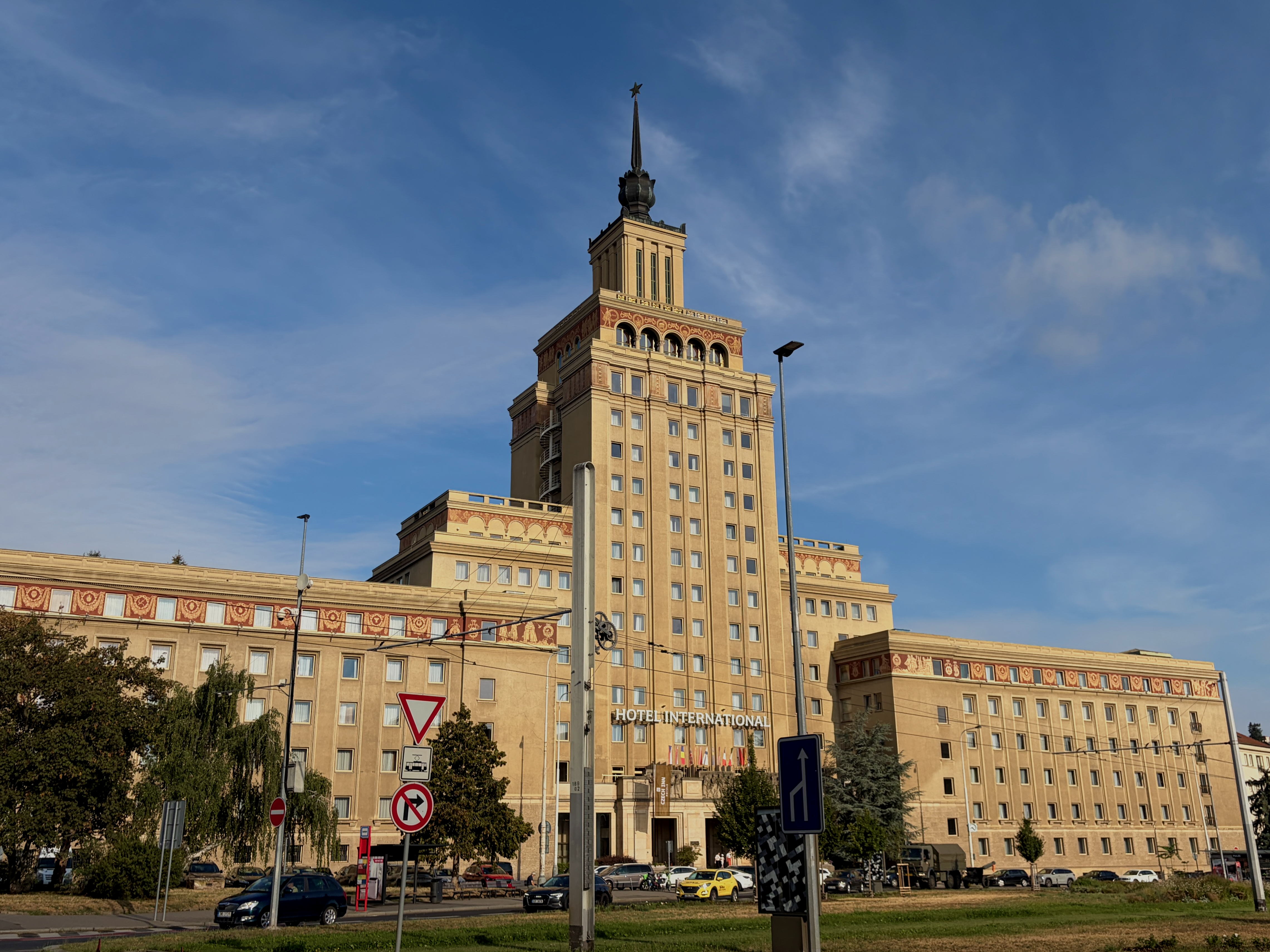
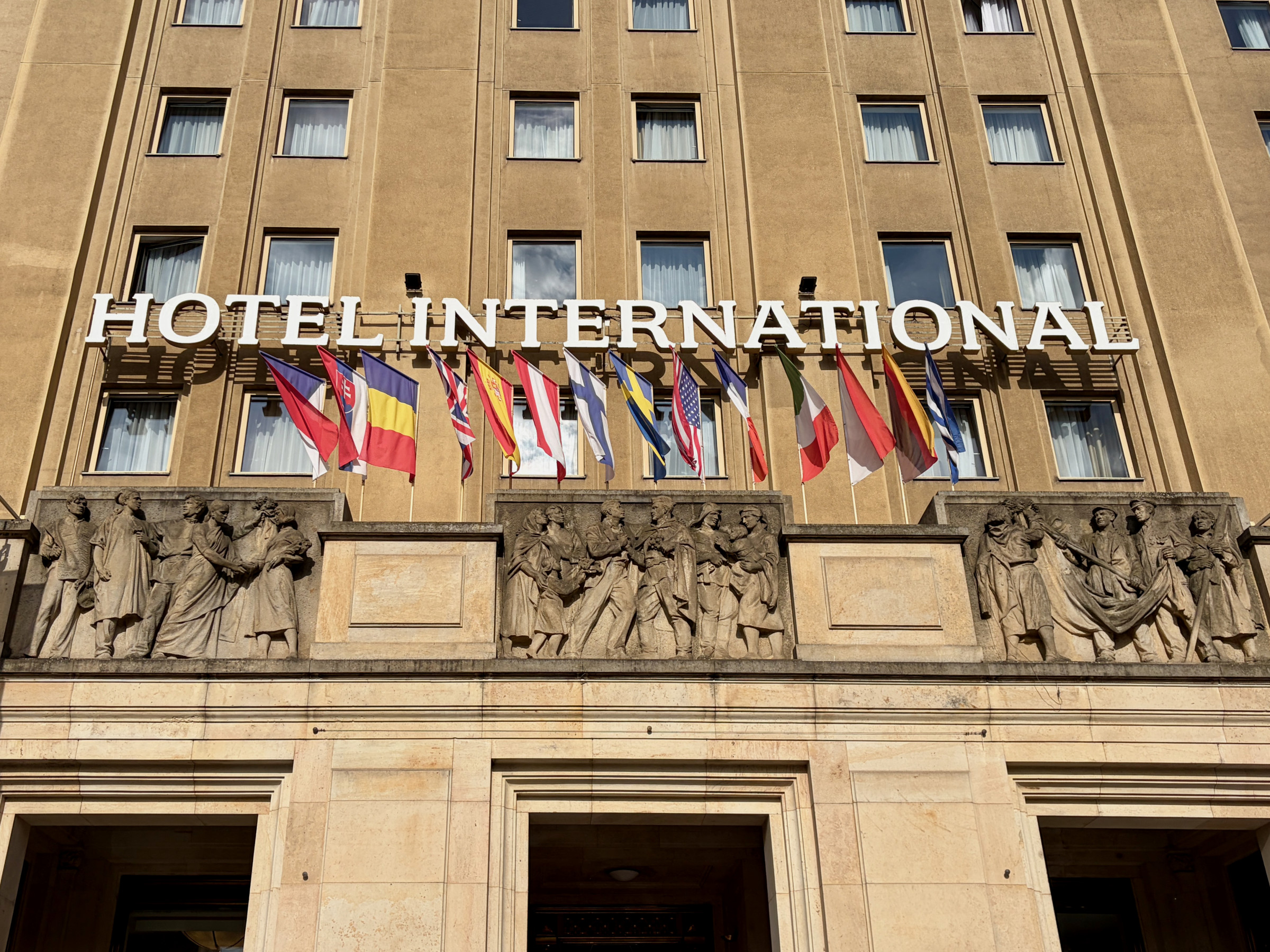
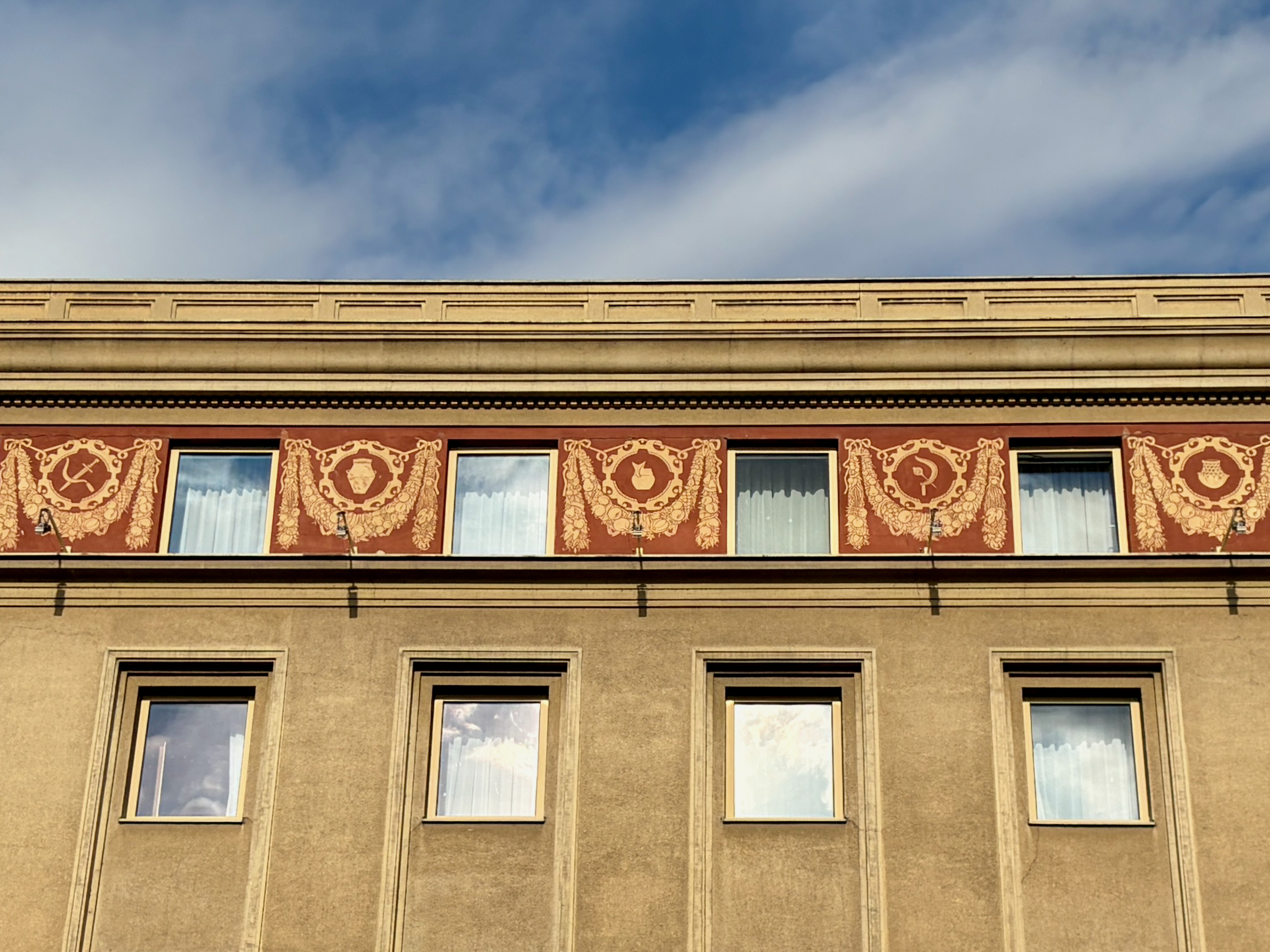
Perhaps that’s the reason the architects leaned so heavily into the hotel’s signature Socialist Realist style and why the hotel looms so vividly even today. The lead architect, František Jeřábek, and his team at the Military Project Institute left little to chance. The hotel’s exterior is lavish almost to the point of absurdity. Columns and cornices lend a classical air, while sandstone reliefs and floral motifs attempt to soften the monumentality (with limited success). Everywhere you look, reliefs and friezes depict stylized versions of workers, peasants and soldiers -- all euphorically proclaiming the victory of the working class.
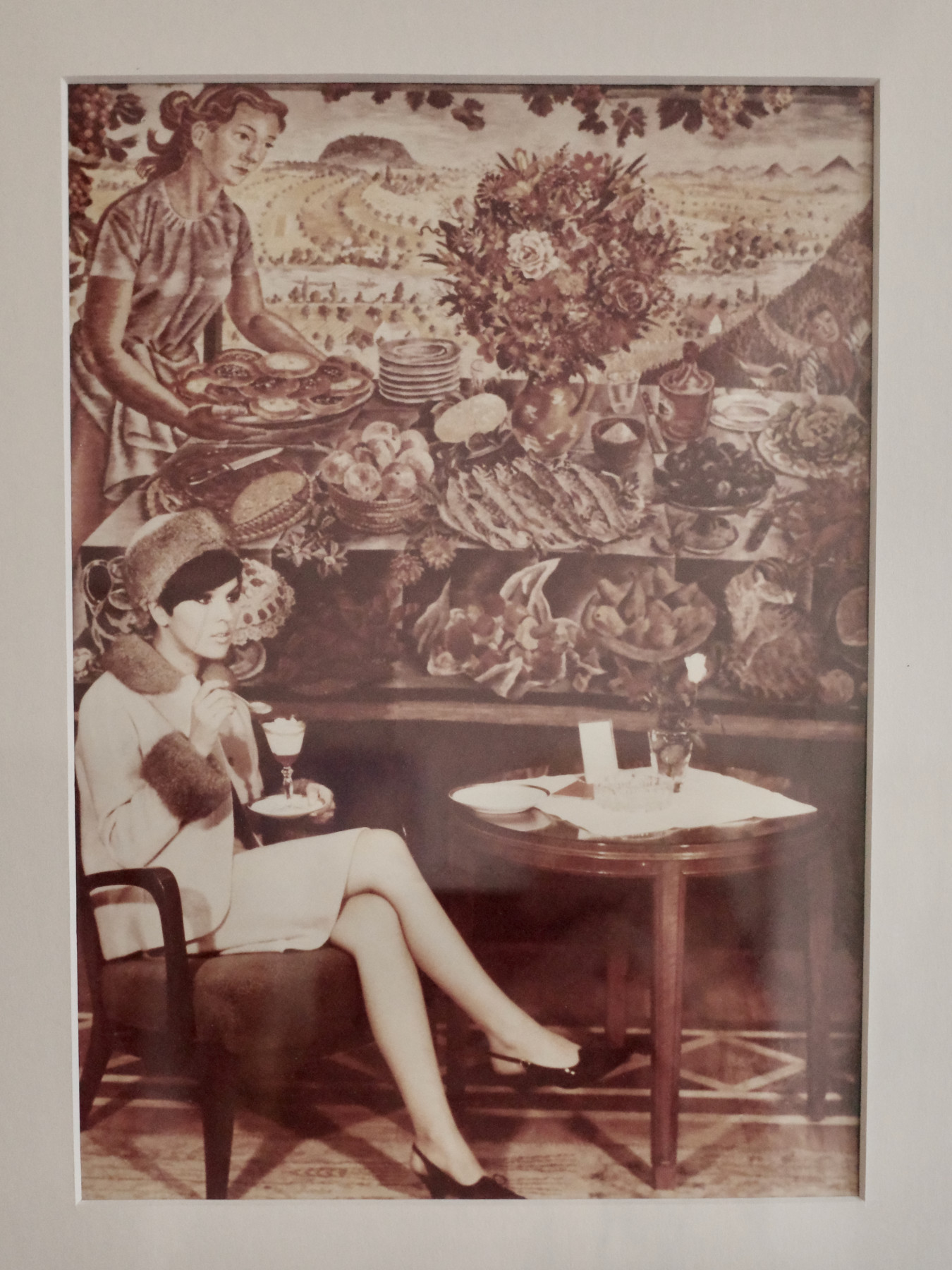
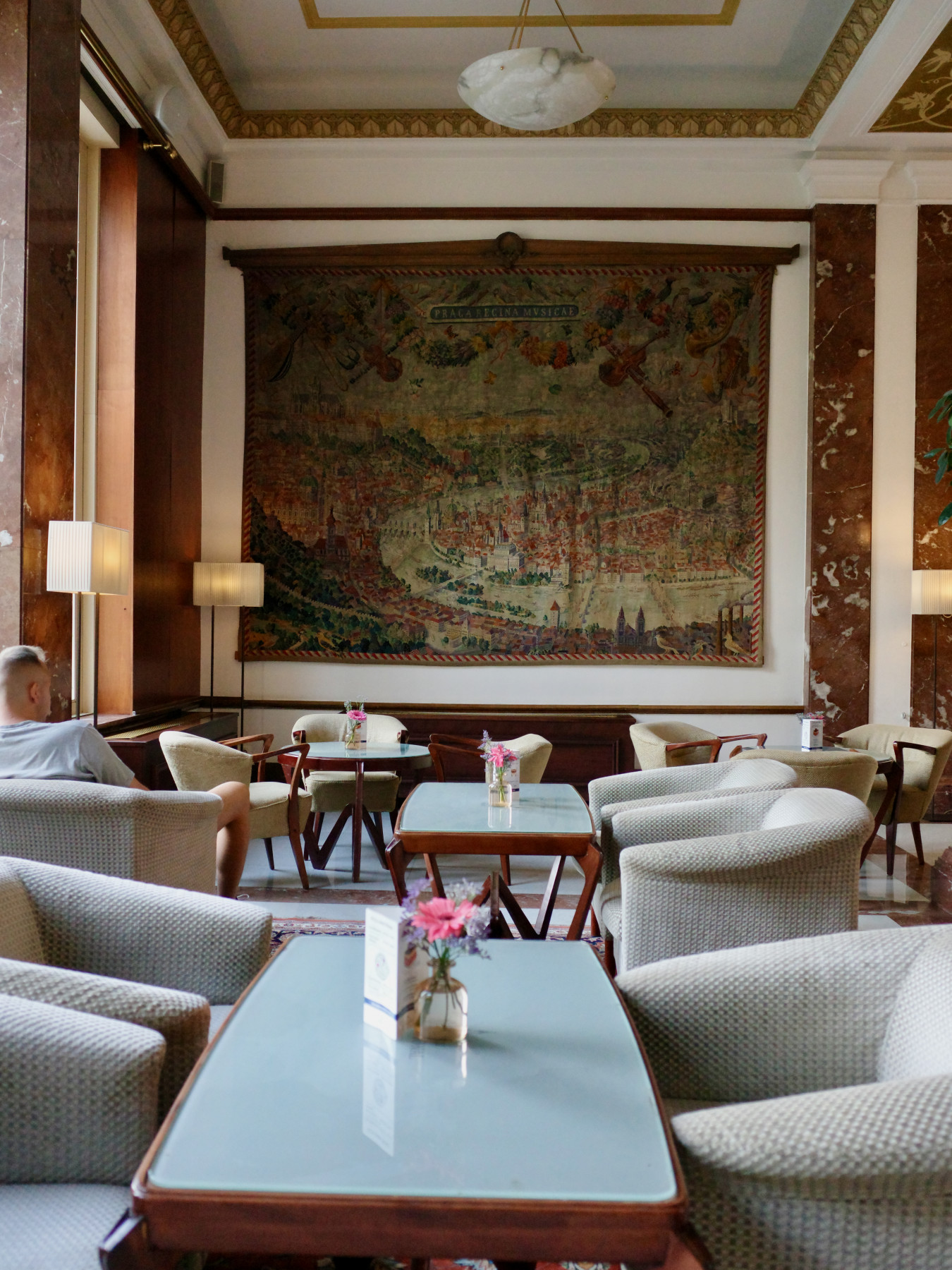
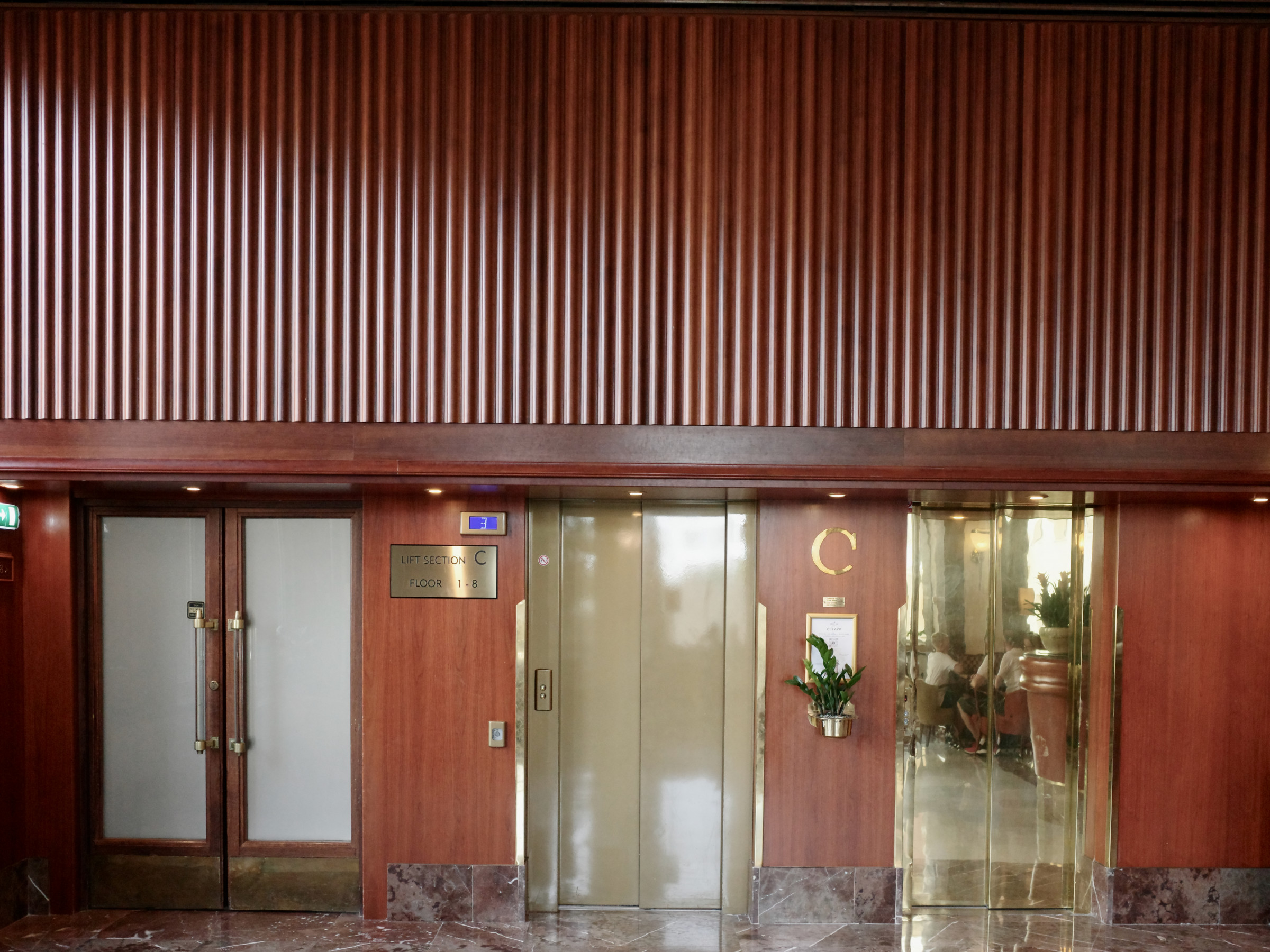
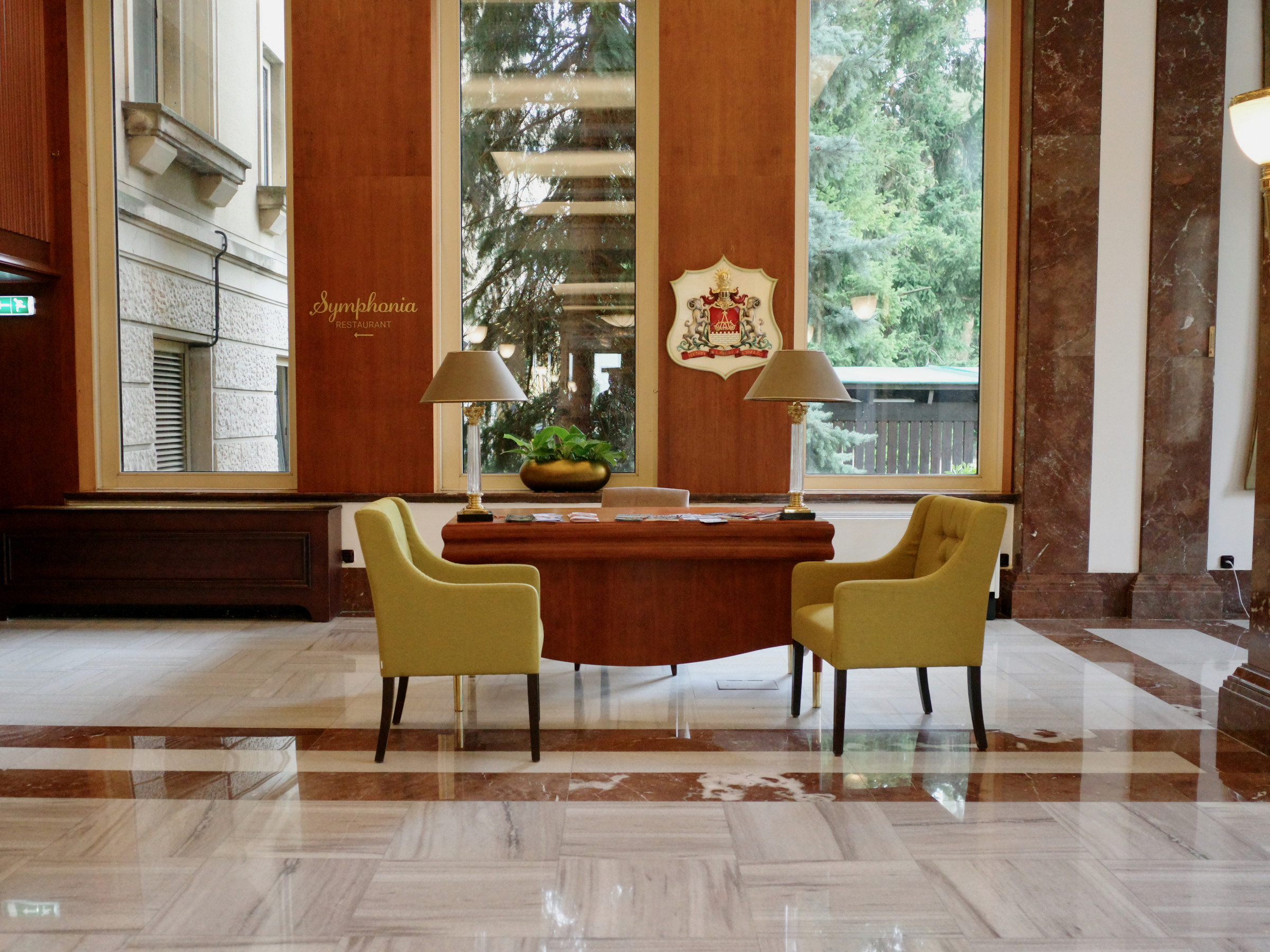
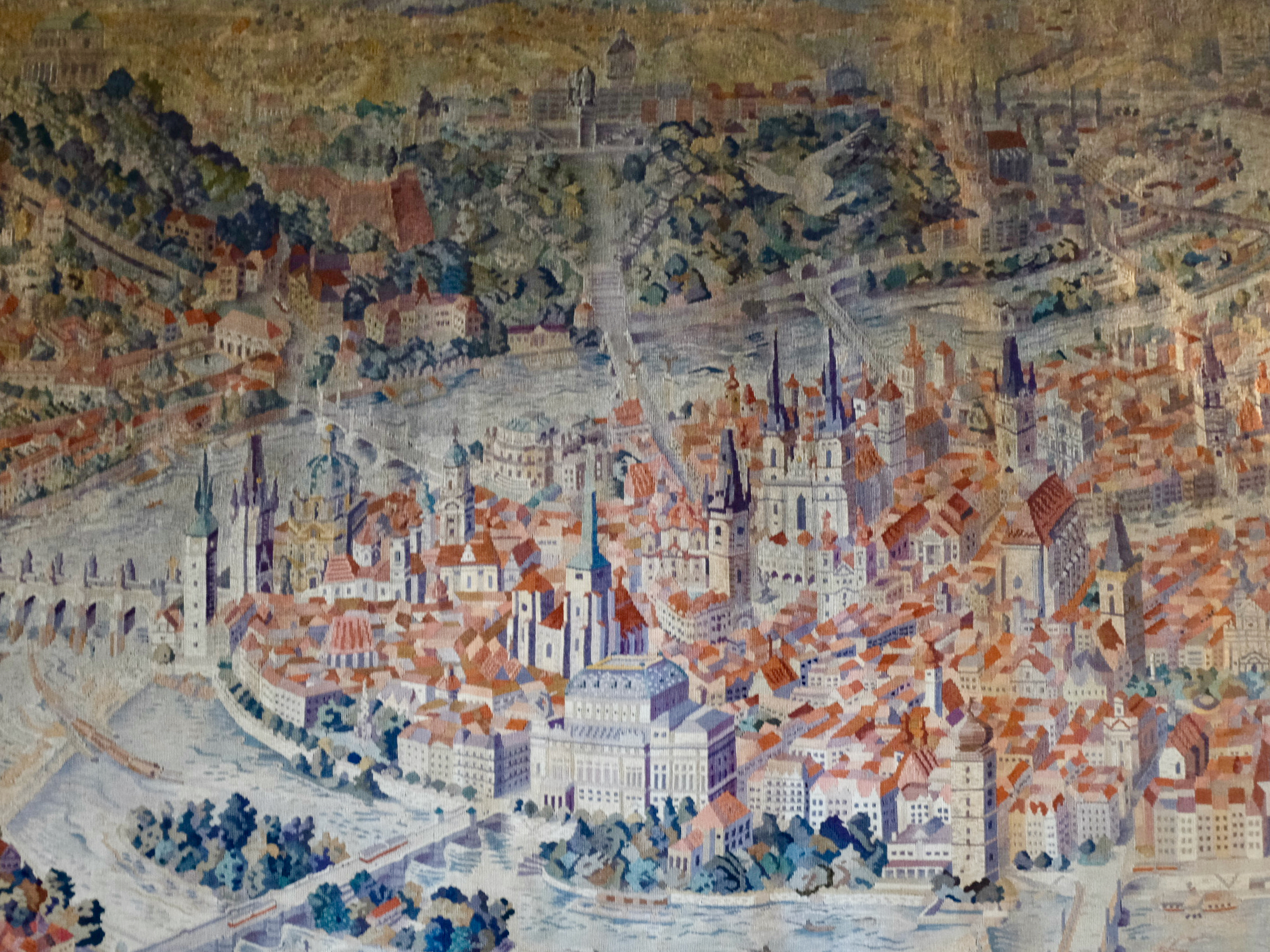
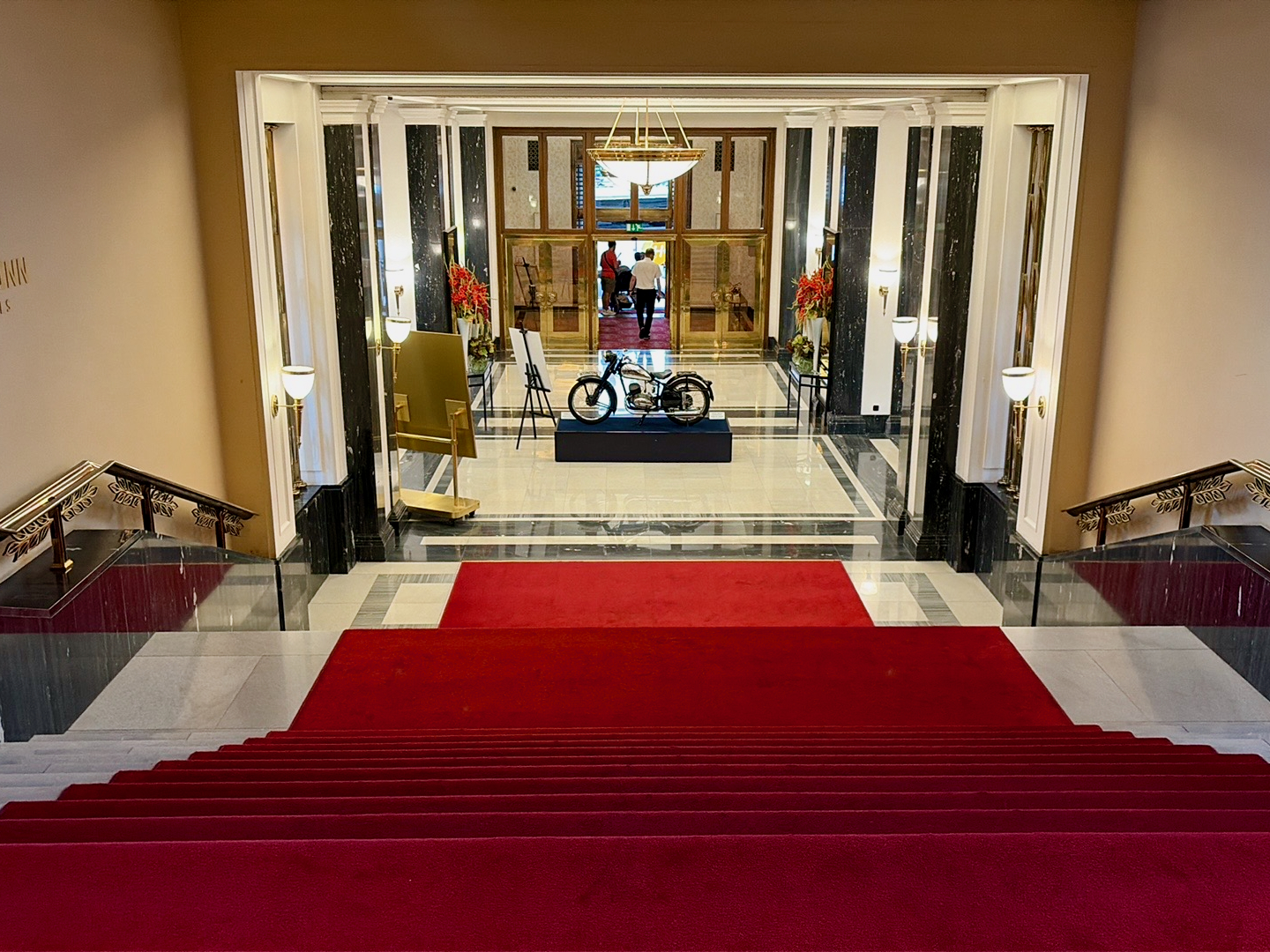
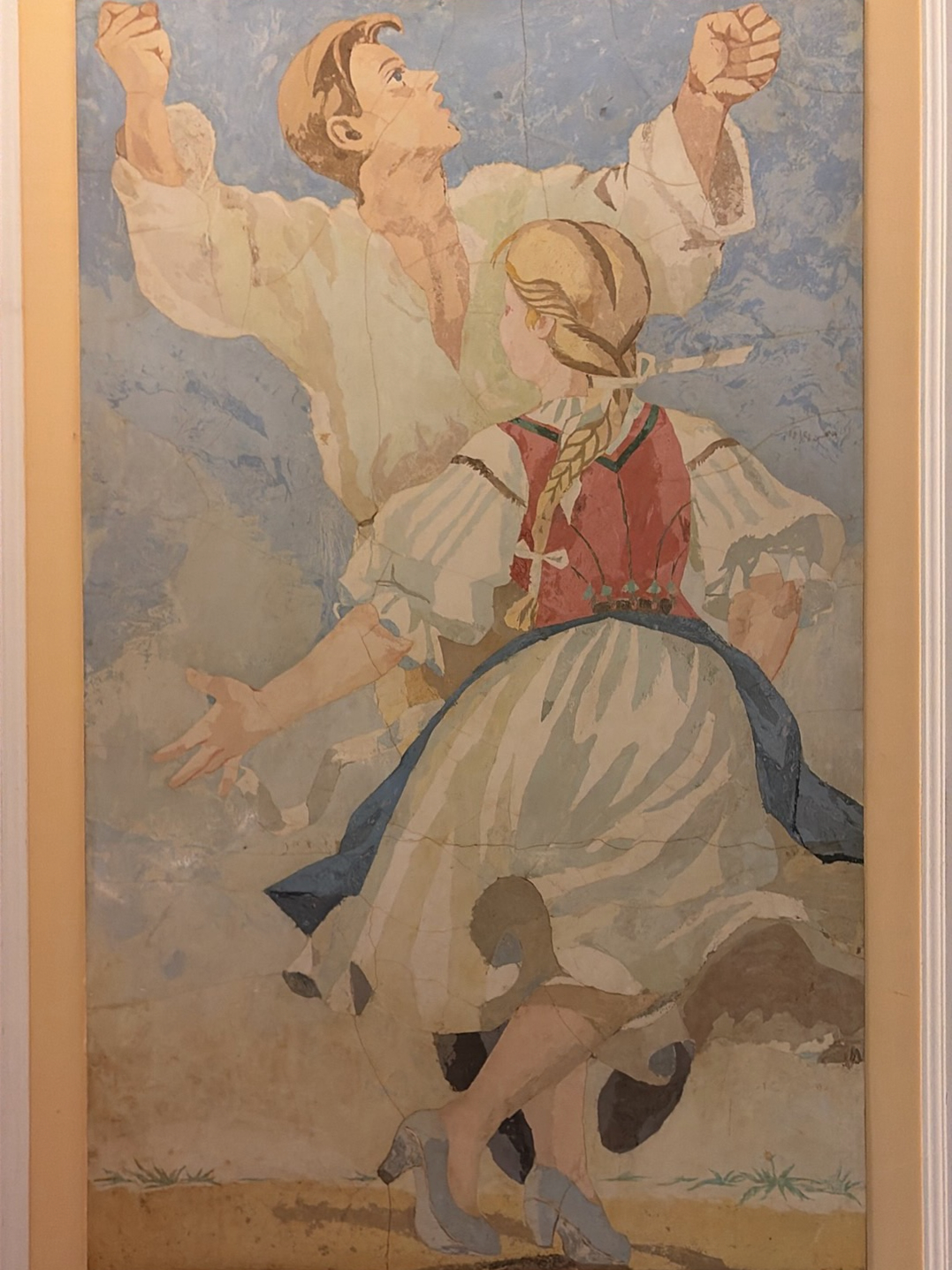
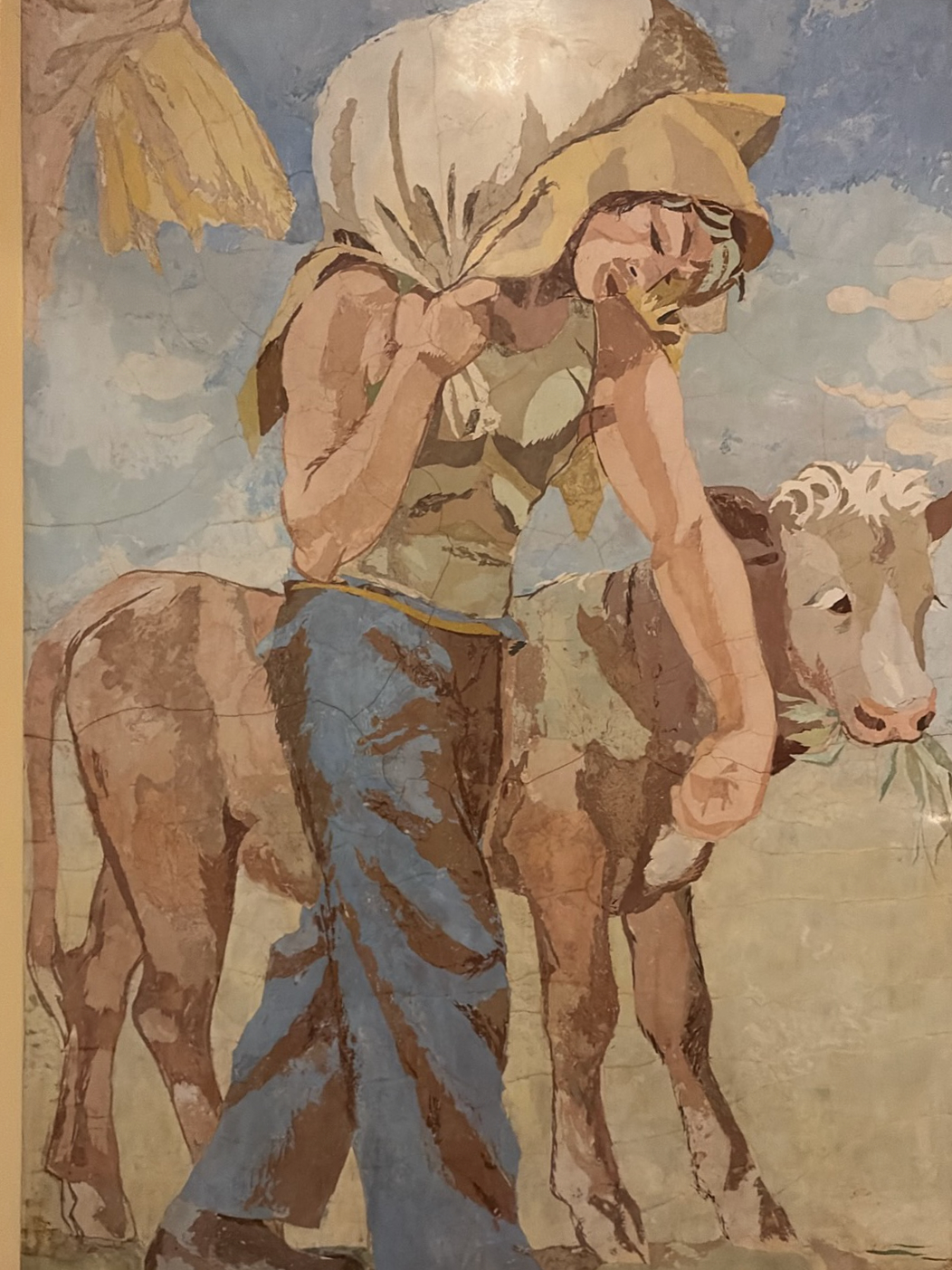
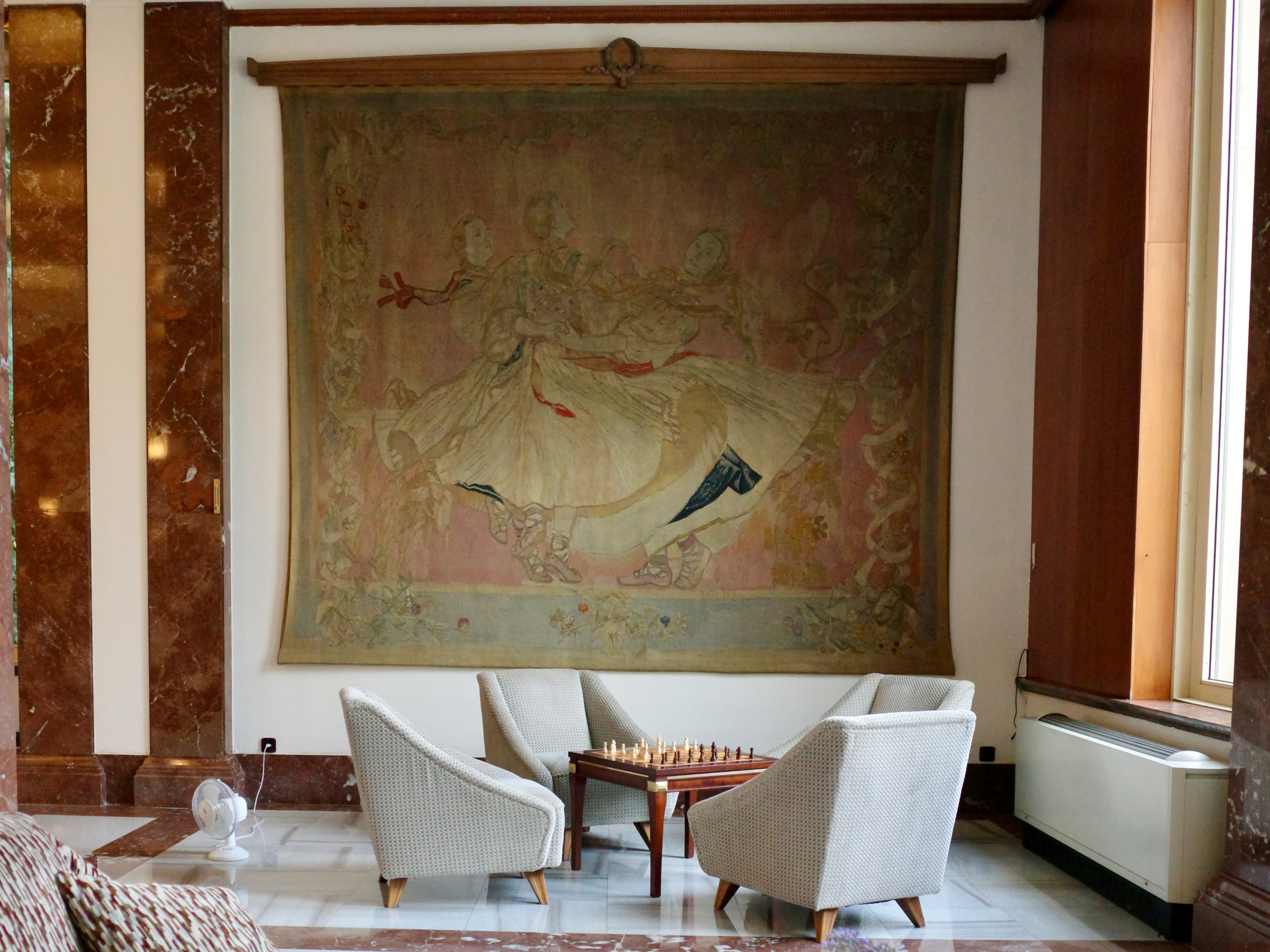
The hotel's interiors, including giant, ornate tapestries, ceiling paintings, frescoes and marble floors, are no less impressive and feature the work of noted artists like Willy Nowak, Cyril Bouda and Max Švabinský, whose stained-glass windows grace parts of St. Vitus Cathedral. Many of these interior flourishes have survived the intervening years intact and are free to enjoy by hotel guests and visitors alike.
The project was originally budgeted in 1951 at 24 million Czechoslovak crowns. The final bill came to around 80 million Czechoslovak crowns -- a staggering sum at a time when the average monthly wage was barely 1,200 crowns. Measured against 2026 wages, that would bring the cost of the hotel today to something like 3 billion Czech crowns (about €125 million).
As obsequious and hyper-attentive to events in the Soviet Union as Czechoslovakia’s communist leaders were, they were very poor at anticipating events that would radically change the ideological landscape. By the time the building finally opened to guests in 1957 as the "Grandhotel International," its signature Socialist Realist architecture was already badly out of fashion. The very notion of spending tens of millions of crowns on a monumental palace for high-ranking officers belonged to an earlier, more triumphalist phase of communist rule.
The catalysts for this change included the deaths, just nine days apart, of both Stalin and Gottwald in 1953. Stalin’s death paved the way for the de-Stalinization campaign of his successor, Nikita Khrushchev. In February 1956, Khrushchev delivered his famous “Secret Speech” to the 20th Congress of the Soviet Communist Party in which he denounced Stalin’s cult of personality. Gottwald’s death, meanwhile, deprived Alexej Čepička, the hotel’s main backer, of his powerful political protector. In 1956, as the first waves of de-Stalinization reached Czechoslovakia, Čepička was stripped of his posts. To add insult to injury, Khrushchev had already turned his attention to what he termed unnecessary extravagance in architecture. A 1955 Soviet decree explicitly condemned the use of historical features like towers, colonnades, porticoes and the rest. The Hotel International had become an embarrassment.
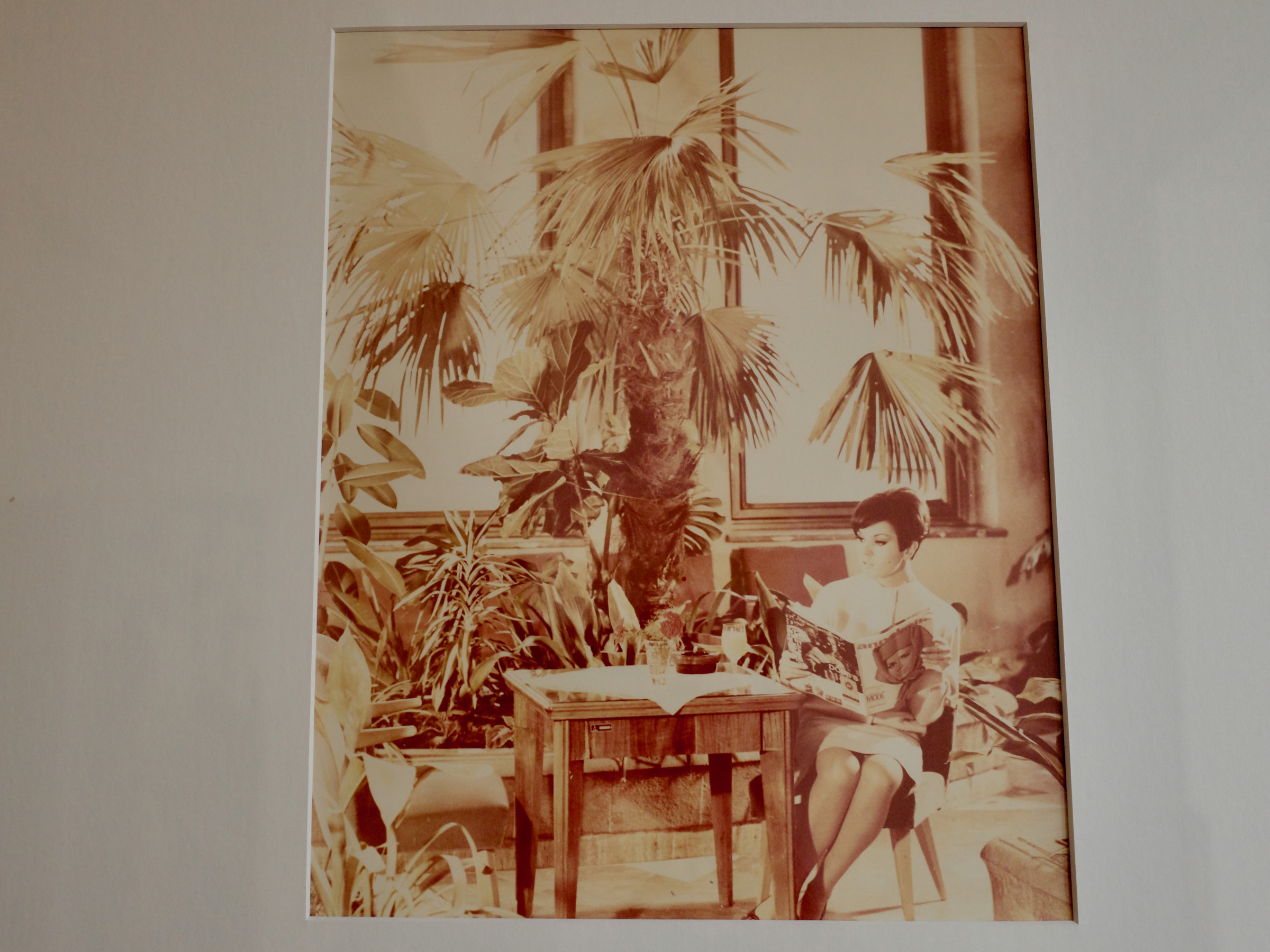
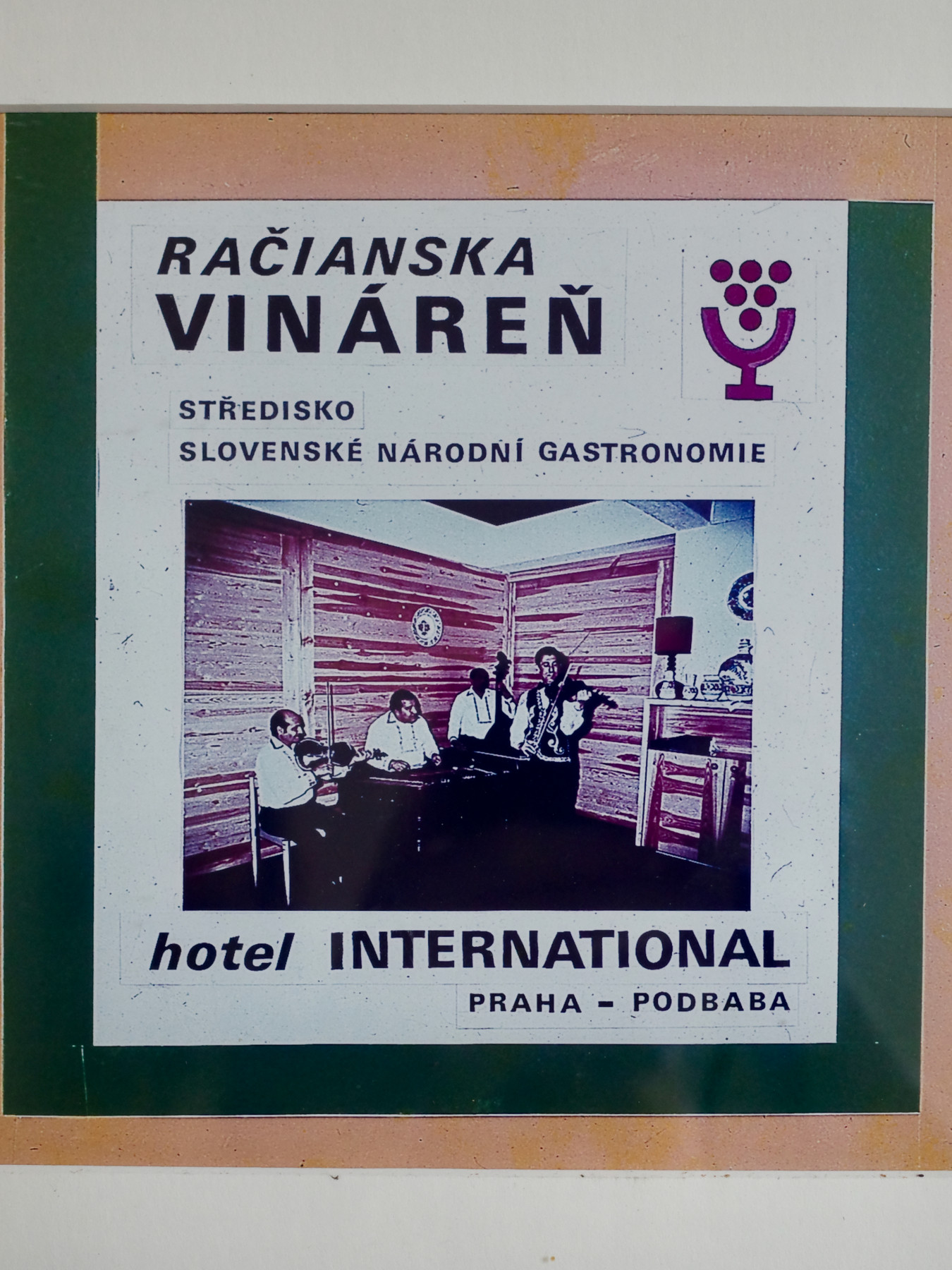
Nevertheless, by 1957 the state had sunk far too much money into the hotel to simply abandon it. The answer was to repurpose it. Instead of catering to high-ranking military officers, the hotel would be turned over to the Czechoslovak state travel company, Čedok, for use as a luxury property for foreign guests and dignitaries. Under this new guise, the International would enjoy a long and unexpectedly colorful second act.
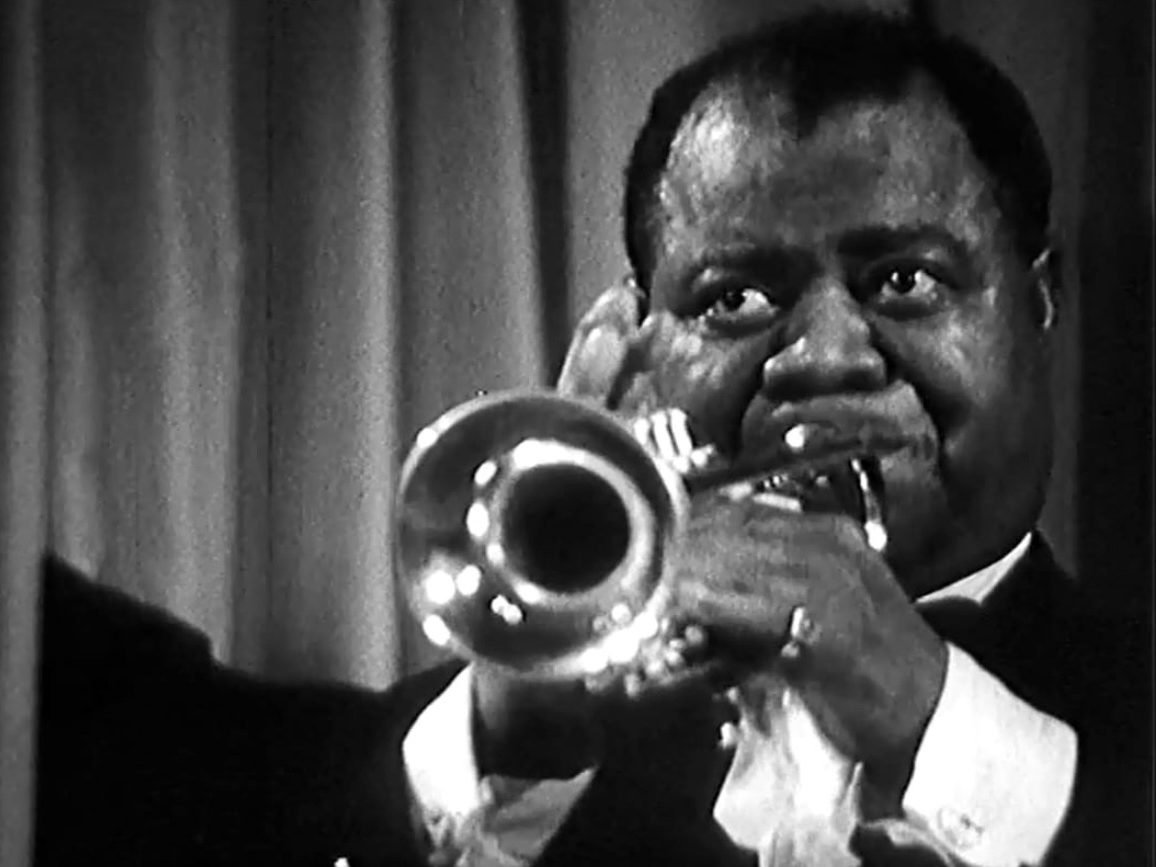
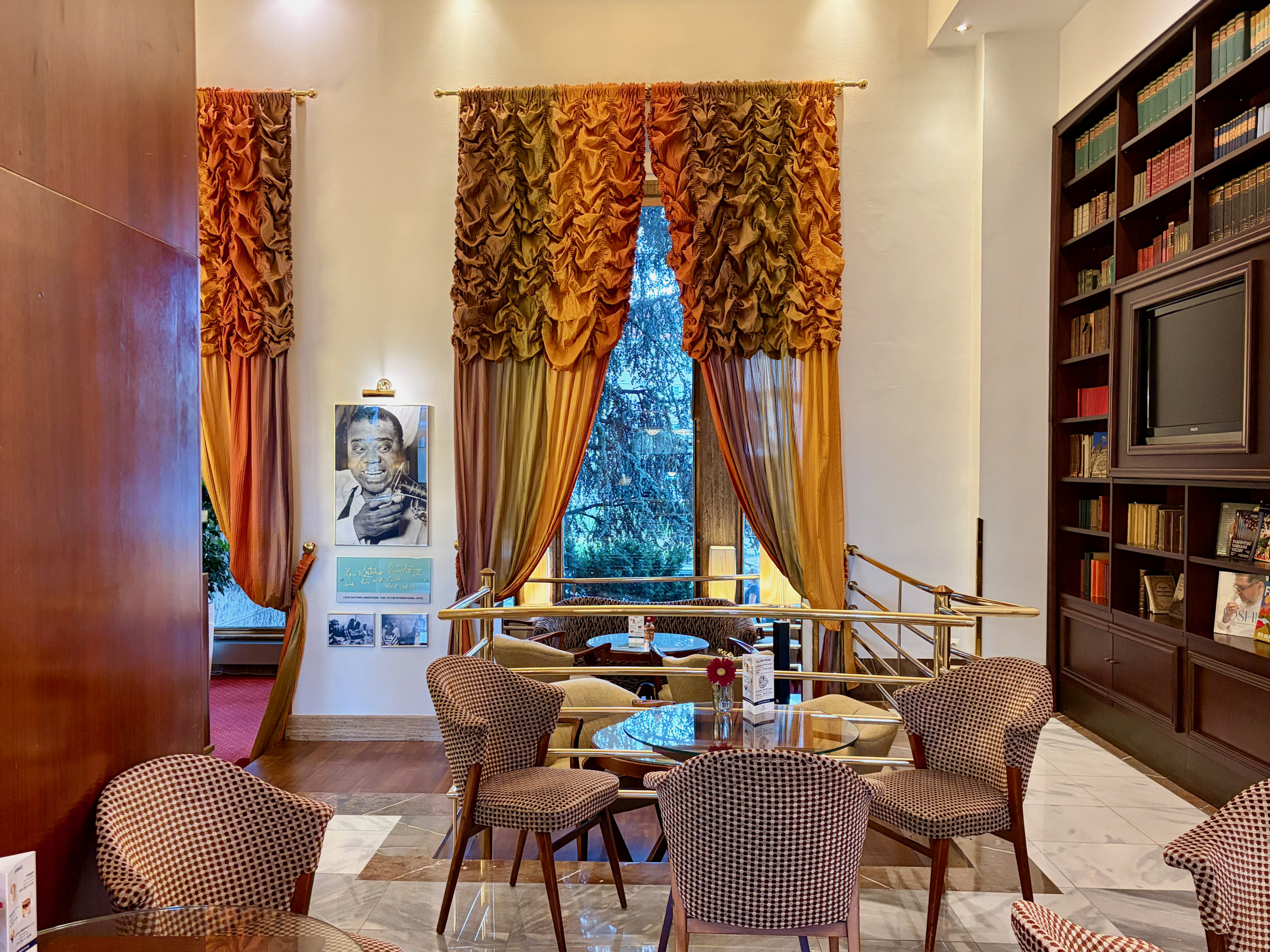
In researching stories for this post, my favorite anecdote from the hotel’s history was American jazz musician Louis Armstrong’s stay here in March 1965. Armstrong, incredibly, played a string of nine shows at Prague's Lucerna as part of a Cold War-era cultural exchange. He spent ten days in Prague with his wife, Lucille, and even held a packed press conference at the hotel. By all accounts, Armstrong was an enormously popular guest, and even today the hotel’s lobby bar is named after him. Here’s a link to a Radio Prague International story on Armstrong's historic trip.
A few years later, the hotel was back in the international spotlight, but for a completely different reason. In August 1968, the cast and crew of the American film The Bridge at Remagen found themselves holed up at the hotel when Warsaw Pact troops invaded the country on the night of August 20–21. Stars Ben Gazzara and Robert Vaughn later wrote about the ordeal in separate accounts. On the advice of the U.S. Embassy, the cast and crew initially stayed put before eventually making a harrowing escape from Prague in a convoy of some 20 taxis. Around 80 foreign members of the production, including Gazzara, Vaughn, George Segal and Bradford Dillman, were hastily evacuated to Austria.
And the filmmakers weren’t the only Western celebrities caught in Prague by the invasion. The British rock band "The Moody Blues" had played a show at Lucerna on the night of August 19, 1968. The following day they performed their mega-hit of that year Nights in White Satin on Charles Bridge for the French-German television show Europarty. I wrote about that remarkable performance in an earlier post here. I suspect the Moodys might also have been staying at the Hotel International, but I wasn’t able to confirm that detail. The band members were subsequently airlifted to safety.

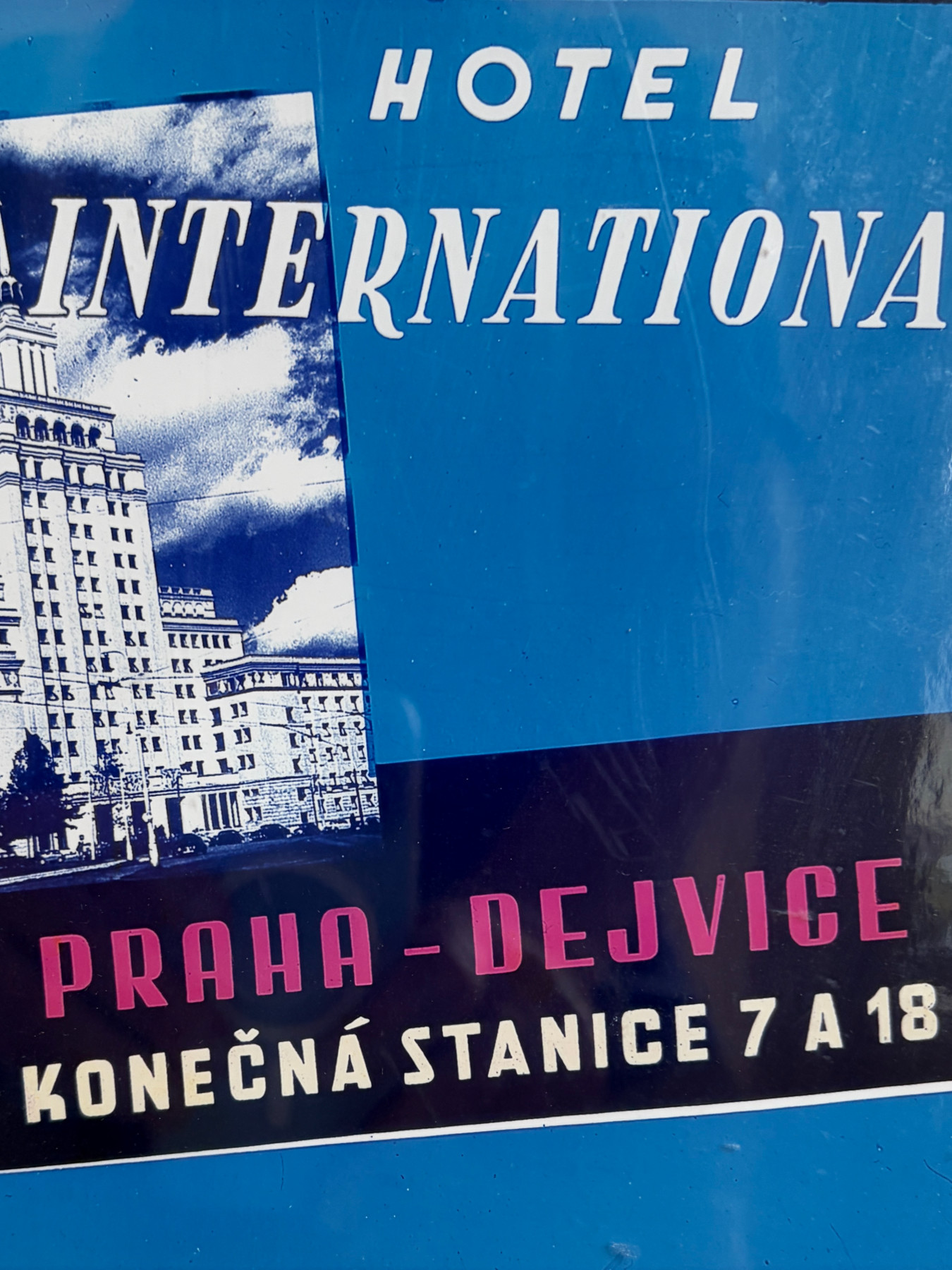
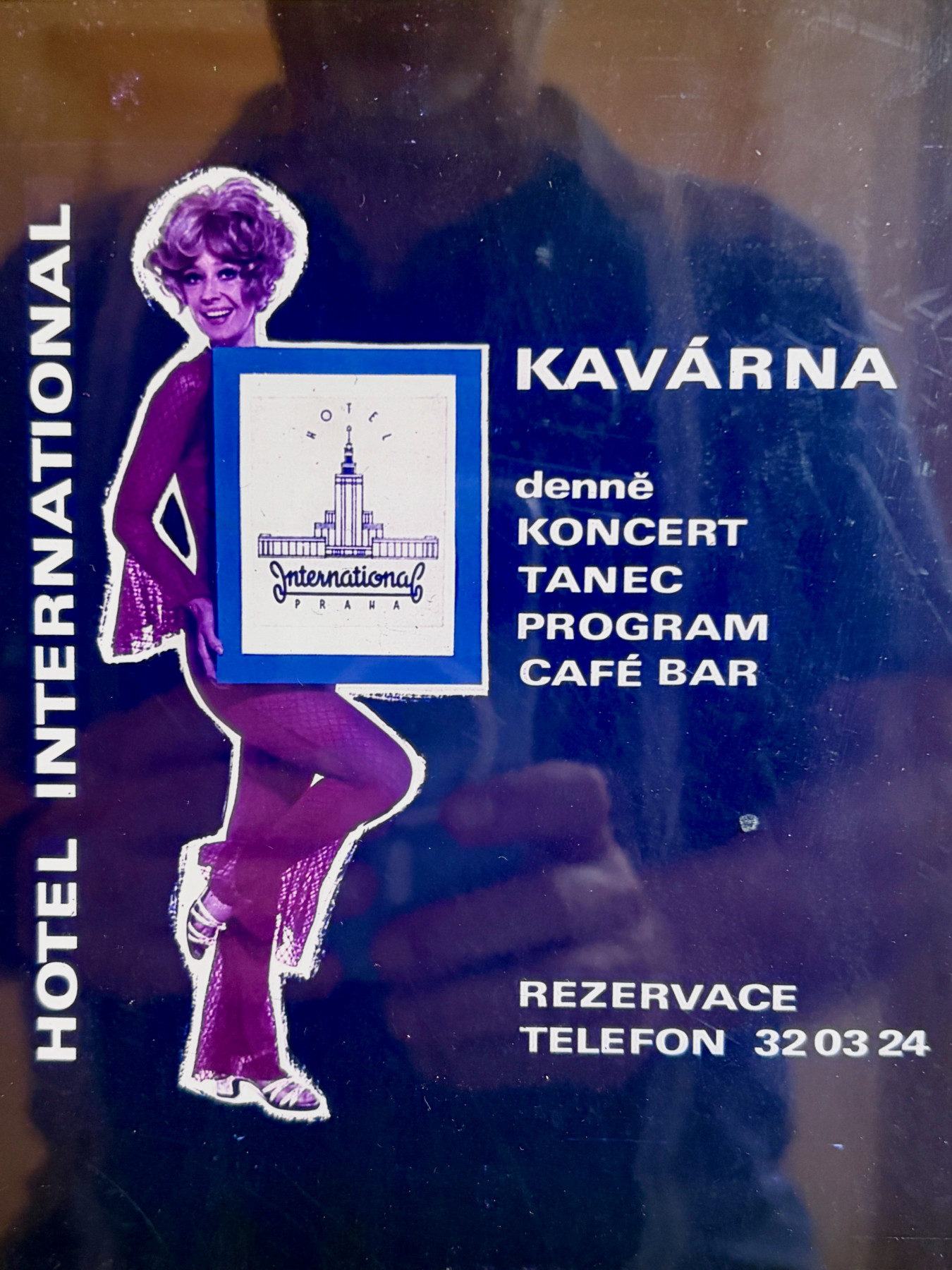
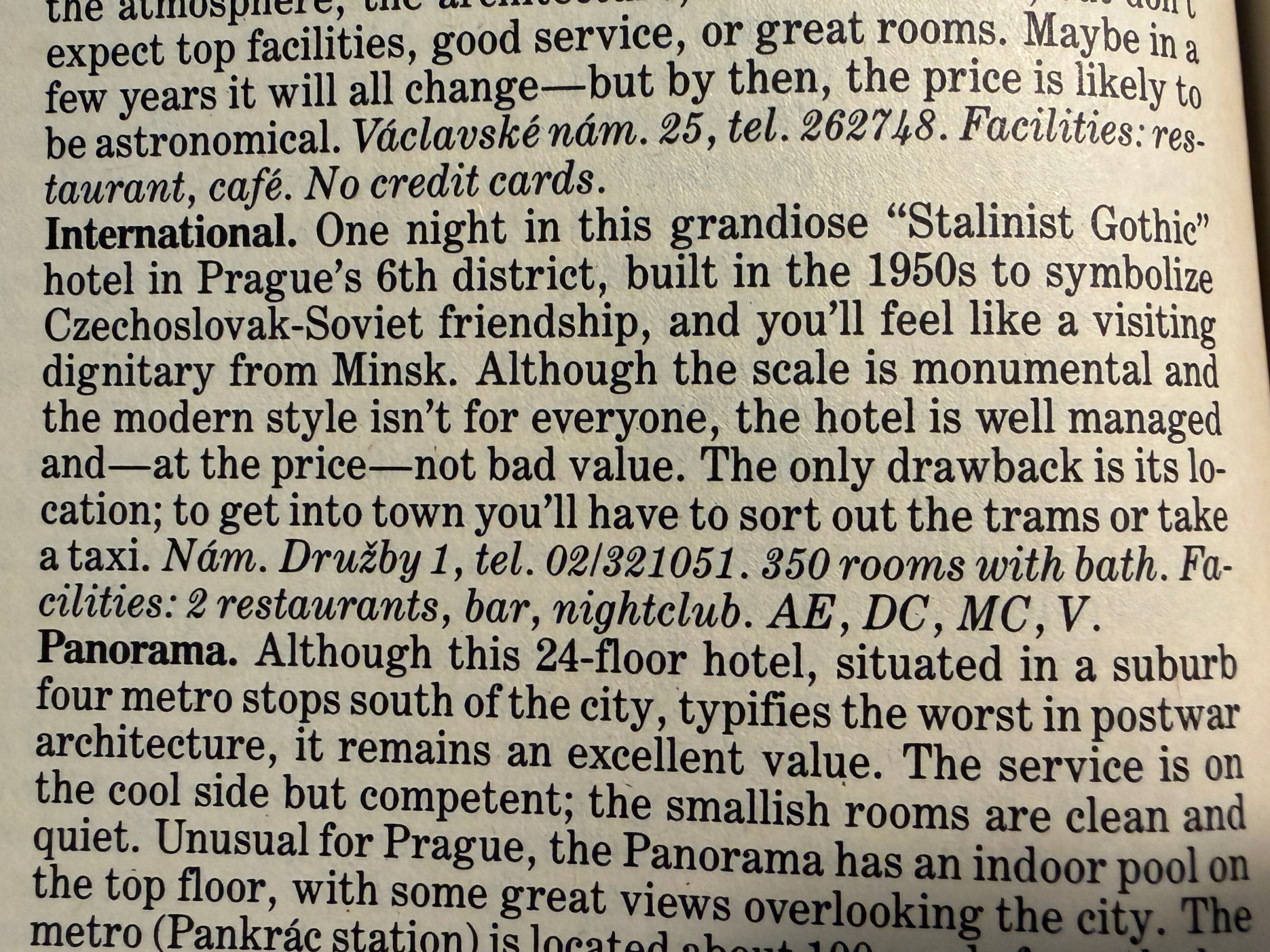
My own interactions with the hotel aren’t nearly as dramatic, though I have stayed here on at least three occasions that I can remember. In February 1991, I visited the hotel on a bitterly cold winter evening to review it for inclusion in Fodor’s Czechoslovakia, the first English-language travel guide to the country to appear after the 1989 Velvet Revolution. I’ve posted a photo here of my tongue-in-cheek review (“you’ll feel like a visiting dignitary from Minsk”). By then, the International was looking a little dog-eared and had long ago lost its luster as a luxury hotel. It was pitched at the time by Čedok as a decent-value, mid-market choice (which is essentially where it remains today).
About 10 years ago, I turned up at the hotel in the middle of the night without any luggage (not even my toothbrush). I’d left my apartment earlier that evening to meet some friends and forgotten to take my keys. When I returned home around 2am and discovered I was locked out, it was too late to call a locksmith. The International was the nearest hotel, so I trudged over and checked in for the night. To the hotel’s credit, the guy behind the desk barely batted an eye (this kind of thing probably happens all the time).
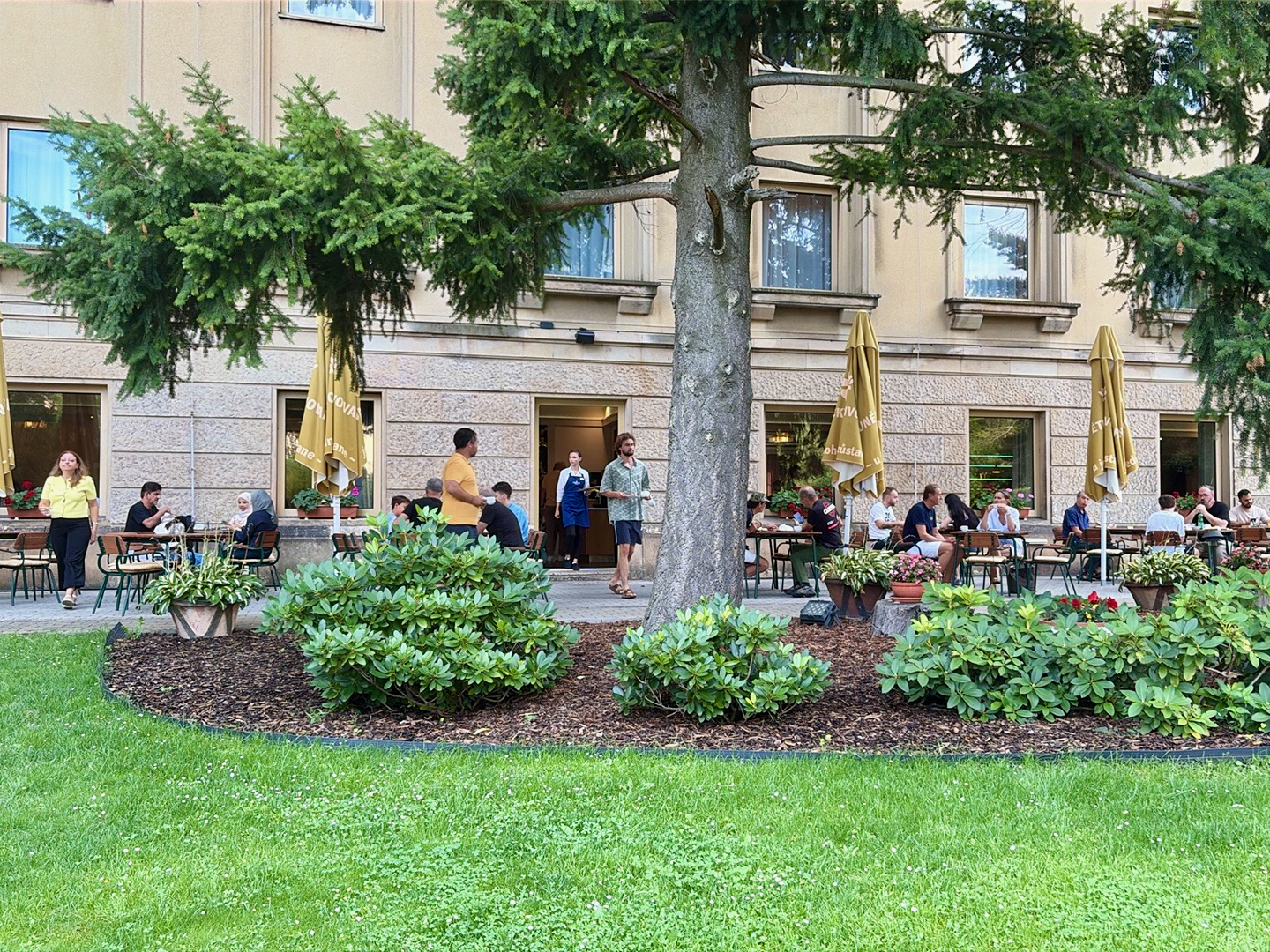
In August 2026, just a few weeks before writing this post, I checked into the International once again, this time as a heat-wave refugee. My apartment doesn’t have air-conditioning, so when the temperature climbs above 36°C (98°F), I sometimes book an air-conditioned hotel room to wait out the heat. On this visit, the hotel was packed with the classic microcosm of midsummer Prague tourism. I spotted lots of young families from the Netherlands, Poland, Romania and elsewhere, apparently on cross-continental road trips. I also noticed several coach tours carrying guests from places like India and the Middle East.
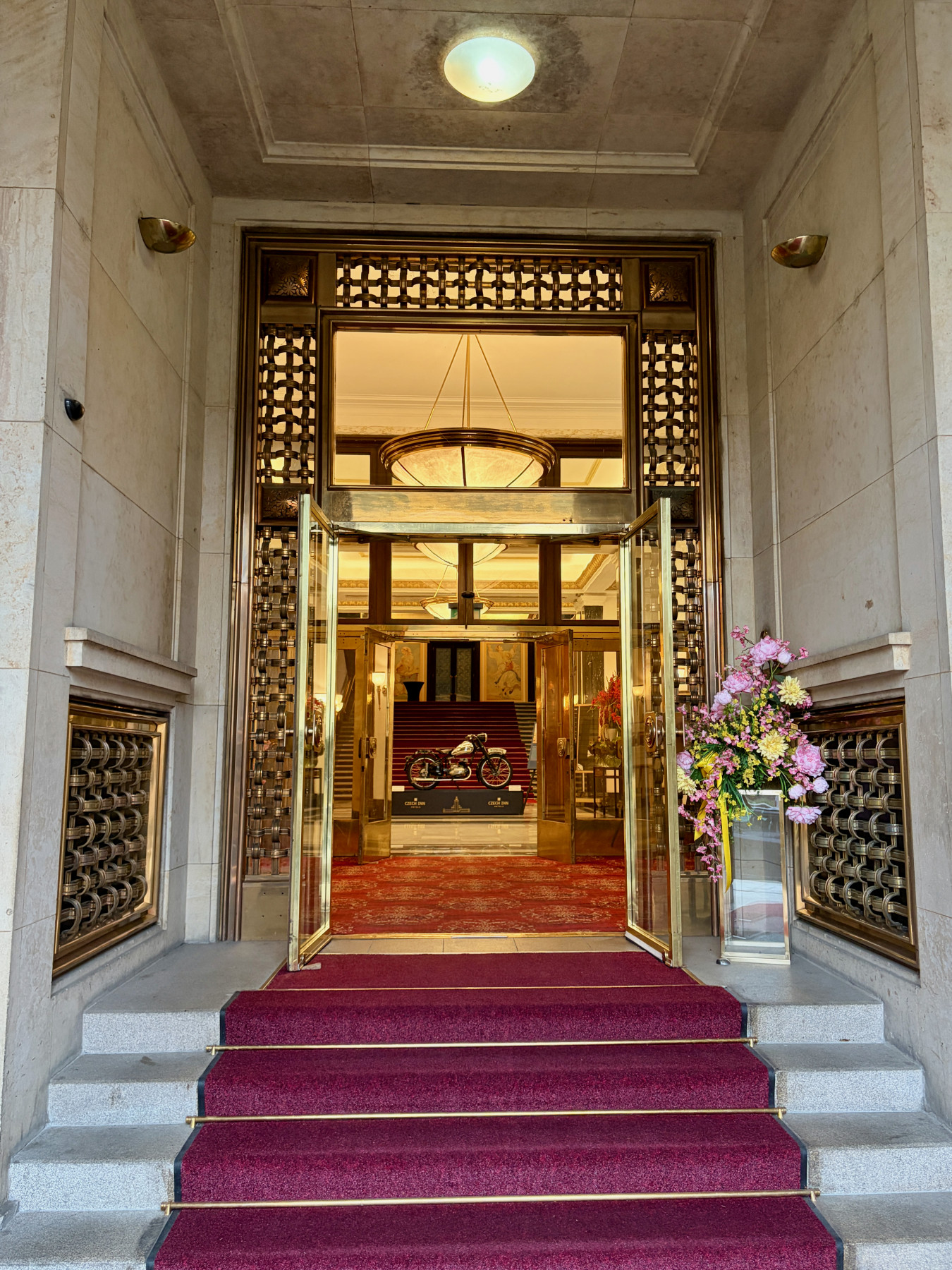
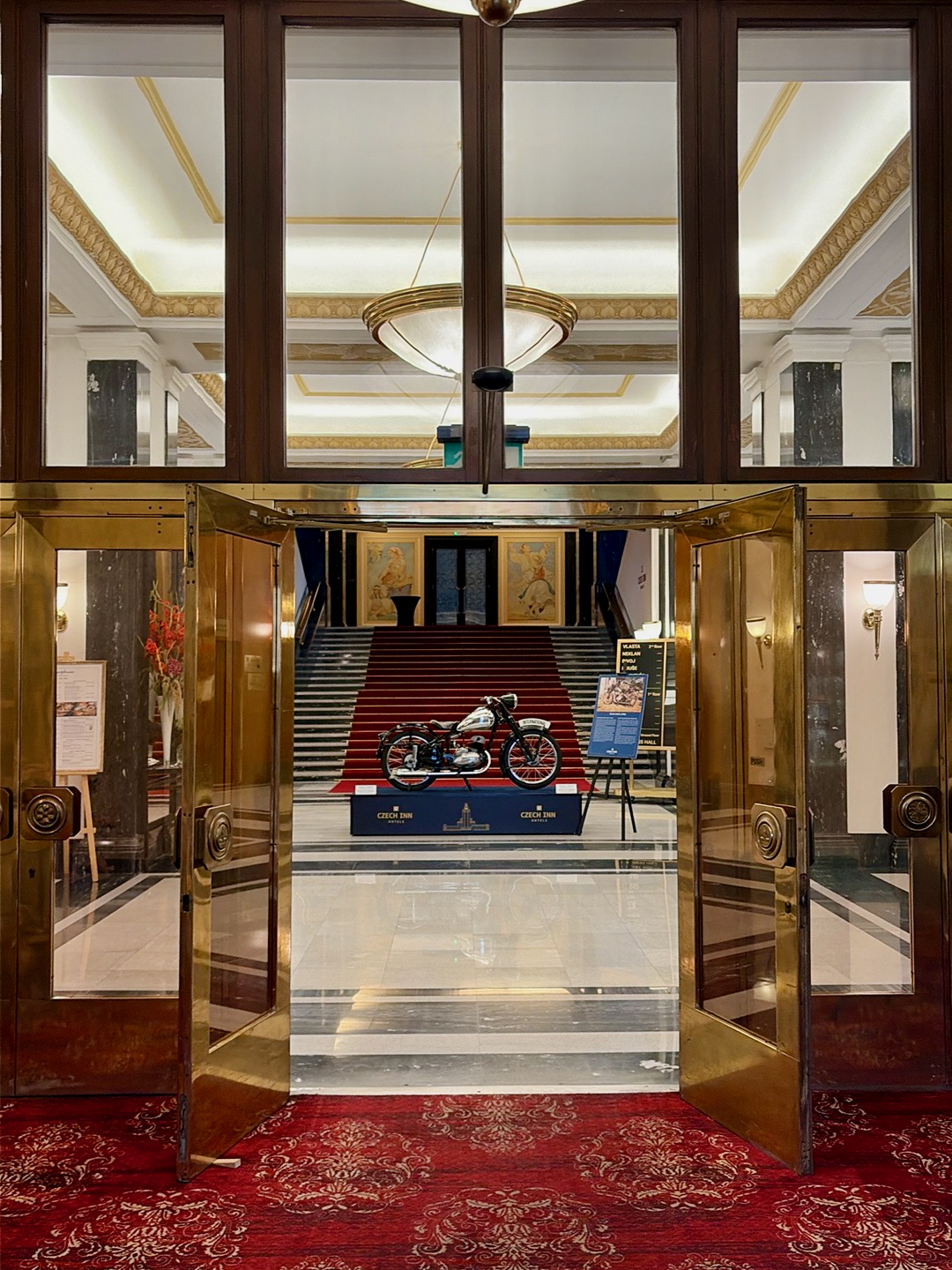
How ironic, I thought, as I surveyed this motley crew (myself included). The hotel was originally conceived as a showcase for communist power and intended for a privileged few. Yet today it serves as one of Prague’s more affordable and accessible historic hotels. I wondered what the guests must think as they walk through the doors of what they assumed would be just another mid-range hotel they’d booked on Booking.com only to find themselves standing in a lost world of marble, chandeliers, monumental staircases and Cold War grandeur.
(Scroll past the map to see more photos)
(Did you like the story and want to add your own comments, or perhaps correct something I didn't get right? Write me at bakermark@fastmail.fm)